
Cold Hands in Korea

Overview Cold hands is a common symptom where the hands feel unusually cold, numb, or icy, often accompanied by paleness or tingling. While occasionally a minor issue related to environmental temperature, persistent cold hands may signal circulatory problems, nerve disorders, or systemic health conditions. In South Korea, vascular clinics, neurology departments, and general hospitals provide […]
Coffee Ground Emesis (Vomitus) in Korea
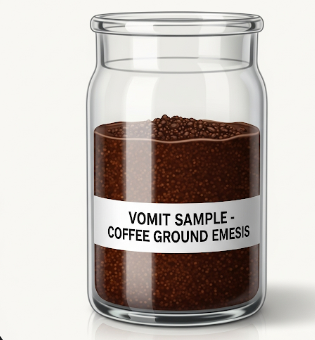
Overview Coffee ground emesis refers to vomiting material that looks dark brown or black, resembling coffee grounds. This condition usually indicates upper gastrointestinal (GI) bleeding, where blood in the stomach is partially digested by gastric acids. In South Korea, gastroenterology and emergency care clinics provide advanced evaluation and treatment for coffee ground emesis. Using endoscopy, […]
Cobblestone Throat in Korea
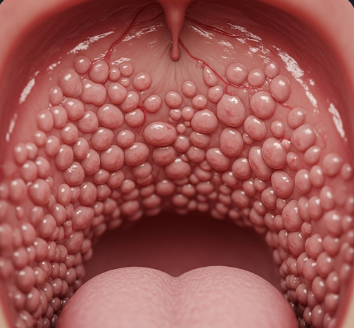
Overview Cobblestone throat is a condition where the back of the throat (pharynx) appears bumpy or textured, resembling cobblestones. This appearance is usually caused by chronic irritation, inflammation, or postnasal drip, and is often associated with allergies, infections, or chronic throat conditions. In South Korea, ENT (ear, nose, throat) clinics and allergy centers provide comprehensive […]
Cloudy Urine in Korea

Overview Cloudy urine, medically known as turbid urine, refers to urine that appears milky, opaque, or less transparent than usual. While occasional changes in urine appearance can be harmless, persistent cloudiness may indicate urinary tract infections (UTIs), kidney or bladder issues, or metabolic disorders. In South Korea, urology and nephrology clinics offer comprehensive evaluation and […]
Clonus in Korea
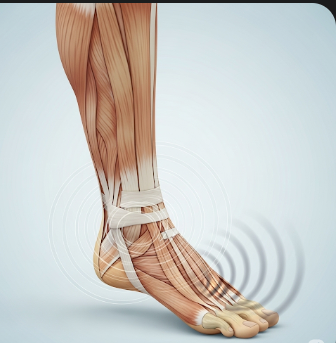
Overview Clonus is a neurological condition characterized by involuntary, rhythmic, and repeated muscle contractions, typically observed in the ankle, knee, or wrist. It often indicates upper motor neuron lesions or neurological disorders affecting the central nervous system (CNS). In South Korea, neurology and rehabilitation clinics provide comprehensive assessment and treatment for clonus, utilizing clinical evaluation, […]
Clitoris Pain (Clitorodynia) in Korea
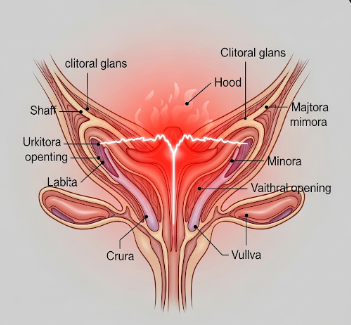
Overview Clitoris pain, medically referred to as clitorodynia, is a condition characterized by persistent or recurrent pain, discomfort, or hypersensitivity in the clitoral region. It can affect women of all ages and may interfere with daily activities, sexual function, and overall quality of life. In South Korea, gynecology and sexual health clinics provide comprehensive evaluation […]
Clay Colored Stool (Pale Stool) in Korea
Overview Clay colored stool, also called pale stool, refers to bowel movements that are lighter than the typical brown color, often appearing gray, clay-colored, or whitish. This change can indicate problems with bile production or flow, liver disease, pancreatic disorders, or gastrointestinal infections. In South Korea, gastroenterology clinics and hepatology centers provide comprehensive evaluation and […]
Chronic Cough in Korea

Overview A chronic cough is defined as a cough lasting more than eight weeks in adults or four weeks in children. Unlike an occasional or acute cough, chronic cough often signals underlying respiratory, systemic, or environmental issues. Common triggers include allergies, asthma, infections, or chronic conditions such as gastroesophageal reflux disease (GERD). In South Korea, […]
Chorea in Korea

Overview Chorea is a neurological movement disorder characterized by rapid, involuntary, and irregular movements, often affecting the face, hands, and feet. The term comes from the Greek word “choreia,” meaning dance, because the movements can appear fluid and dance-like. In South Korea, neurology clinics and specialized movement disorder centers diagnose and manage chorea using clinical […]
Chills in Korea

Overview Chills are the sensation of coldness accompanied by shivering, often occurring when the body is fighting an infection, exposed to cold environments, or experiencing systemic stress. Chills can range from mild discomfort to severe shaking and may occur with or without fever. In South Korea, general practitioners and hospitals evaluate chills as part of […]