
Dark Circles Under Eyes in Korea

Overview Dark circles under the eyes are a common cosmetic concern that appear as discoloration, shadows, or puffiness beneath the lower eyelids. They can make a person look tired, stressed, or older than their actual age. While usually not a serious medical condition, they may sometimes indicate underlying allergies, dehydration, poor sleep, or medical issues […]
Dactylitis (Sausage Fingers) in Korea
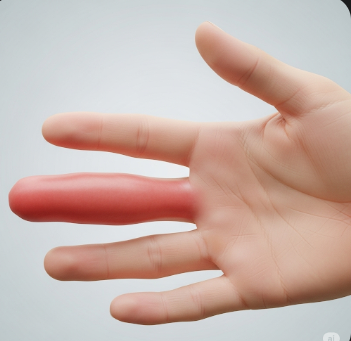
Overview Dactylitis, often referred to as “sausage fingers” or “sausage toes,” is a condition where the entire finger or toe becomes swollen and inflamed, resembling the shape of a sausage. This swelling is usually caused by underlying inflammatory, autoimmune, or infectious conditions that affect the joints, tendons, and surrounding soft tissues. In Korea, specialized rheumatology […]
Cyanosis in Korea

Overview Cyanosis is a medical condition characterized by a bluish or purplish discoloration of the skin, lips, or nail beds, indicating insufficient oxygen in the blood or poor circulation. It is often a sign of an underlying medical condition, ranging from mild respiratory issues to life-threatening cardiovascular or pulmonary disorders. In South Korea, hospitals and […]
Constipation in Korea

Overview Constipation is a common gastrointestinal condition characterized by infrequent, difficult, or painful bowel movements. It can range from mild and temporary discomfort to a chronic problem that significantly impacts quality of life. While often related to diet and lifestyle factors, constipation can also signal underlying medical conditions. In South Korea, gastroenterology clinics and digestive […]
Coccyx pain in Korea
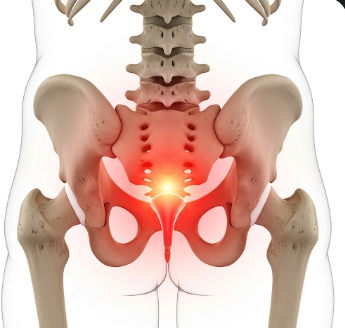
Overview Coccyx pain, also known as coccydynia, is discomfort or pain in the tailbone area (coccyx) at the bottom of the spine. It can range from mild irritation to severe, chronic pain that affects sitting, standing, and daily activities. In South Korea, orthopedic clinics and pain management centers offer comprehensive evaluation and treatment for coccyx […]
Catarrh in Korea
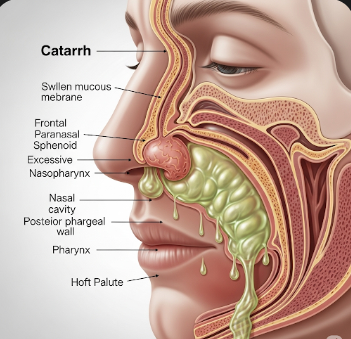
Overview Catarrh is a condition characterized by excessive mucus buildup in the nose, throat, or sinuses, often associated with inflammation of the mucous membranes. It is commonly seen in respiratory infections, allergies, or chronic sinus conditions. While often temporary, persistent catarrh may signal underlying sinusitis, allergies, or other respiratory disorders. In South Korea, ENT (ear, […]
Cullen Sign in Korea
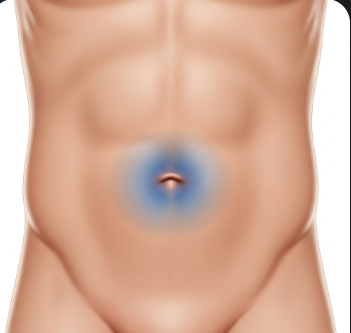
Overview Cullen sign is a medical sign characterized by bluish or purplish discoloration around the umbilicus (belly button). It is usually a rare but important indicator of intra-abdominal bleeding, most commonly associated with acute pancreatitis, ruptured ectopic pregnancy, or trauma. In South Korea, emergency departments and surgical units provide immediate evaluation and management for patients […]
Cotton Wool Spots in Korea
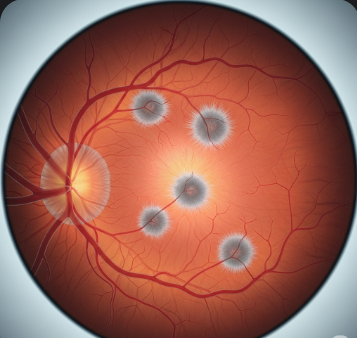
Overview Cotton wool spots are small, white or grayish patches on the retina, visible during an eye examination. They represent areas of microinfarction caused by interrupted blood flow to the nerve fiber layer of the retina. While often asymptomatic, they are important markers of underlying systemic or ocular disease. In South Korea, ophthalmology clinics and […]
Contractions in Korea

Overview Contractions refer to rhythmic tightening and relaxing of the uterine muscles, often experienced during pregnancy and labor. They play a crucial role in preparing the uterus for childbirth and facilitating the delivery of the baby. While mild contractions can occur throughout pregnancy (known as Braxton Hicks contractions), true labor contractions are more intense, regular, […]
Colon Spasms in Korea
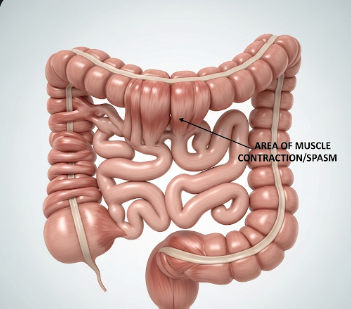
Overview Colon spasms, also referred to as intestinal spasms or colonic cramps, are sudden, involuntary contractions of the muscles in the large intestine (colon). They can cause abdominal pain, bloating, and changes in bowel habits, ranging from mild discomfort to severe, debilitating pain. In South Korea, gastroenterology clinics offer specialized evaluation and treatment for colon […]