
Childhood Trauma & ACES in Korea

Overview Childhood trauma refers to emotional, physical, or sexual abuse, neglect, or household dysfunction experienced during childhood, which can have long-lasting effects on physical and mental health. Adverse Childhood Experiences (ACEs) are a standardized framework for understanding the impact of such events, including abuse, neglect, and family dysfunction, on long-term wellbeing. In South Korea, mental […]
Chest Congestion in Korea
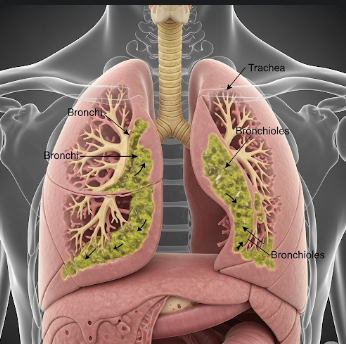
Overview Chest congestion is a common symptom characterized by a feeling of tightness, heaviness, or mucus accumulation in the chest, often associated with respiratory conditions. It can affect breathing, cause coughing, and interfere with daily activities. While often related to infections, allergies, or chronic respiratory conditions, persistent chest congestion may signal more serious underlying issues. […]
Chemosis in Korea
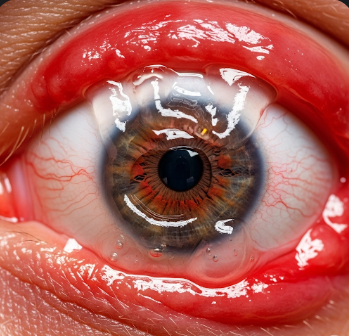
Overview Chemosis is the swelling (edema) of the conjunctiva, the clear membrane covering the white part of the eye and the inner eyelids. This condition causes a puffy, gelatinous appearance of the eye’s surface and is often a sign of underlying ocular or systemic issues, ranging from allergies to serious eye infections. In South Korea, […]
Changes in Bowel Habits in Korea
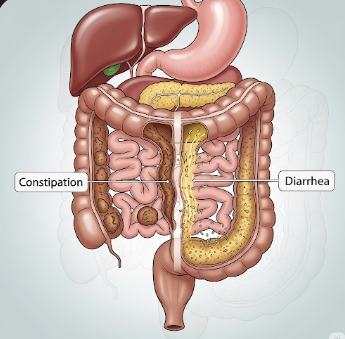
Overview Changes in bowel habits refer to alterations in the frequency, consistency, or appearance of stools, which may signal digestive disorders, infections, or systemic illnesses. While occasional changes can be benign, persistent or significant alterations require medical evaluation to identify underlying causes. In South Korea, gastroenterology clinics provide comprehensive diagnostic services, including stool tests, endoscopy, […]
Chadwick Sign in Korea
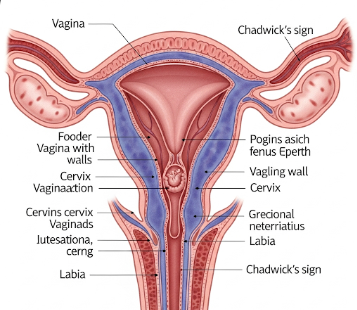
Overview Chadwick Sign is a bluish-purple discoloration of the cervix, vagina, and labia, which is an early clinical indicator of pregnancy, usually visible around 6–8 weeks of gestation. It was first described by Dr. James Chadwick in 1886. In South Korea, obstetrics and gynecology clinics utilize this sign as part of a comprehensive early pregnancy […]
Cataplexy in Korea

Overview Cataplexy is a neurological condition characterized by sudden, temporary loss of voluntary muscle tone triggered by strong emotions such as laughter, surprise, anger, or excitement. It is most commonly associated with narcolepsy type 1, a chronic sleep disorder. In South Korea, neurology and sleep medicine clinics provide diagnostic evaluations, treatment options, and lifestyle guidance […]
Caput Medusae in Korea
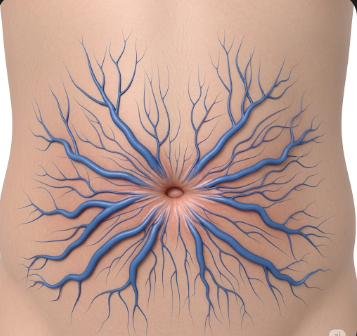
Overview Caput Medusae is a clinical sign characterized by prominent, dilated veins radiating from the navel across the abdomen, resembling the snake-covered head of Medusa from Greek mythology. It is often a manifestation of underlying portal hypertension, commonly due to liver cirrhosis, hepatic vein obstruction, or severe liver disease. In South Korea, hepatology and gastroenterology […]
Cancerous Polyps in Korea
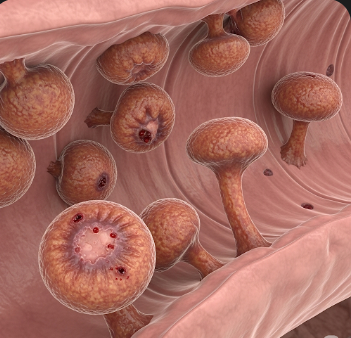
Overview Cancerous polyps are abnormal growths in the lining of organs such as the colon, rectum, stomach, or other parts of the digestive tract, where cells have begun to show precancerous or malignant changes. While many polyps are benign, certain types can progress into cancer over time, making early detection and removal crucial. In South […]
Bruxism in Korea

Overview Bruxism is a condition characterized by unconscious grinding, clenching, or gnashing of the teeth, often occurring during sleep but sometimes while awake. It can lead to tooth damage, jaw pain, headaches, and temporomandibular joint (TMJ) disorders. In South Korea, dental clinics, sleep centers, and specialized TMJ clinics provide comprehensive diagnosis and treatment options for […]
Bulging eyes (exophthalmos) in Korea
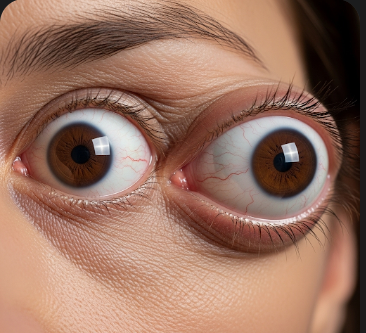
Overview Bulging eyes, medically known as exophthalmos or proptosis, is a condition where the eyeballs protrude abnormally from the eye sockets. It can affect one or both eyes and is often associated with thyroid disorders, infections, tumors, or inflammation. In South Korea, ophthalmology and endocrinology clinics provide advanced diagnostic evaluations, imaging, and treatments for exophthalmos, […]