
Dysesthesia in Korea
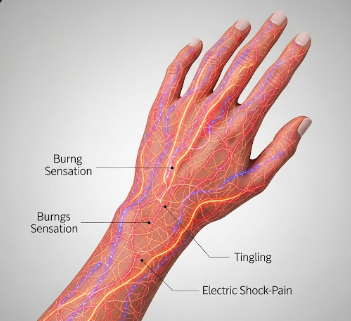
Overview Dysesthesia is a neurological condition characterized by abnormal, often unpleasant sensations on the skin or other parts of the body. Patients may describe it as burning, tingling, electric shocks, or itching, even when there is no external stimulus. Dysesthesia can significantly affect daily comfort, sleep, and quality of life. In Korea, leading neurology and […]
Dry Scalp in Korea
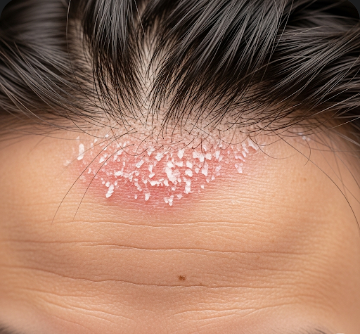
Overview A dry scalp is a common condition that causes itching, flaking, and general discomfort on the head. It occurs when the scalp loses its natural moisture or when the skin barrier is compromised. While it is usually mild, persistent dryness can affect confidence, lead to irritation, and sometimes contribute to hair problems. In Korea, […]
Dry Eyelids in Korea
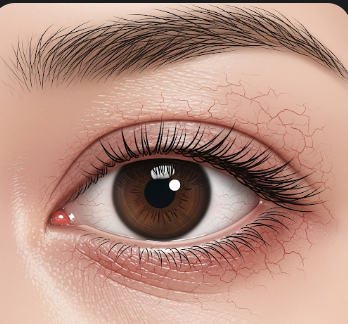
Overview Dry eyelids, medically referred to as eyelid xerosis, occur when the skin around the eyes loses its natural moisture. This condition can lead to itching, flaking, redness, and general discomfort. While often mild, persistent dryness can significantly affect daily comfort, appearance, and eye health. In Korea, dermatology and ophthalmology clinics provide advanced care for […]
Drooling in Korea
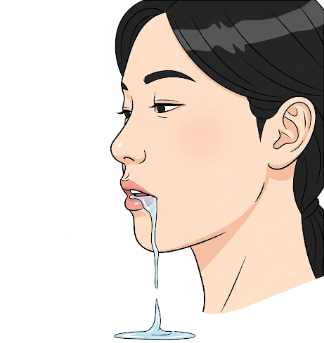
Overview Drooling, also called sialorrhea or ptyalism, is the unintentional flow of saliva outside the mouth. It is common in infants and young children but, in adults, persistent drooling may indicate an underlying medical condition. In Korea, drooling is managed through dental care, ENT (ear, nose, throat) specialists, neurology, and rehabilitation clinics. Advanced diagnostics and […]
Dizziness in Korea

Overview Dizziness is a common symptom described as a sensation of lightheadedness, unsteadiness, or feeling faint. Some people may feel as though the environment is spinning (vertigo), while others experience a sense of imbalance or disorientation. In Korea, dizziness is a frequent reason for neurology and ENT (ear, nose, throat) consultations. With advanced diagnostic technology, […]
Dissociative Fugue in Korea

Overview Dissociative fugue is a rare psychological condition in which a person experiences sudden, unexpected travel away from home or usual surroundings, combined with inability to recall past events or personal identity. During a fugue episode, individuals may appear to function normally, but they are disconnected from their past and may even adopt a new […]
Dilated Pupils (Mydriasis) in Korea
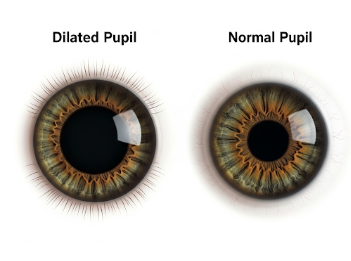
Overview Dilated pupils (mydriasis) occur when the black part of the eye (pupil) becomes larger than normal, often due to changes in light, emotional state, medications, or underlying medical conditions. While pupil dilation is a normal reaction in the dark, persistent or unequal dilation may indicate a serious health problem such as neurological disorders, eye […]
Diabetes and Dry Mouth in Korea
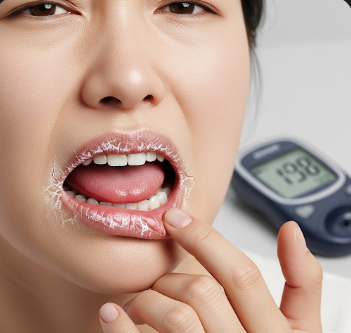
Overview Diabetes and dry mouth (xerostomia) are closely linked, as high blood sugar levels can reduce saliva production and cause dehydration. Many people with diabetes experience persistent dryness in the mouth, difficulty swallowing, bad breath, or increased dental problems. This symptom is not only uncomfortable but also increases the risk of oral infections, gum disease, […]
Decorticate Posturing in Korea
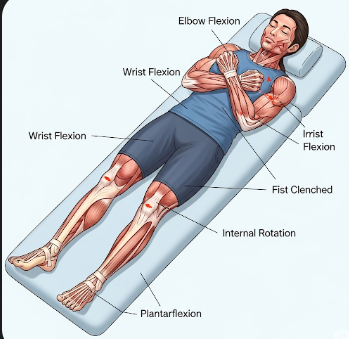
Overview Decorticate posturing is an abnormal body posture that occurs due to severe brain injury or damage above the brainstem (cerebral hemispheres, internal capsule, or thalamus). It is characterized by stiff flexion of the arms toward the chest, clenched fists, and extended legs. This posture is a sign of serious neurological dysfunction and is often […]
Decerebrate Posturing in Korea
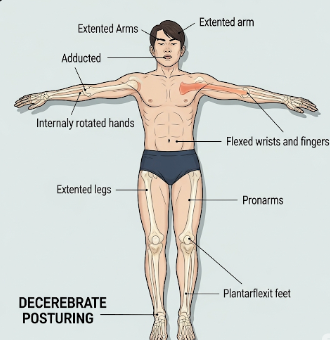
Overview Decerebrate posturing is an abnormal and severe body posture that occurs due to serious brain injury or damage to the brainstem. It is characterized by rigid extension of the arms and legs, downward pointing of the toes, and arching of the head and neck backward. This posture usually appears in response to painful stimuli […]