
Ear Bleeding in Korea

Overview Ear bleeding, medically known as otorrhagia, refers to the presence of blood coming from the external or middle ear. It can result from trauma, infections, foreign objects, or underlying medical conditions. Ear bleeding can affect hearing, balance, and overall ear health, and may sometimes indicate serious issues requiring immediate medical attention. In Korea, ENT […]
Dysuria in Korea
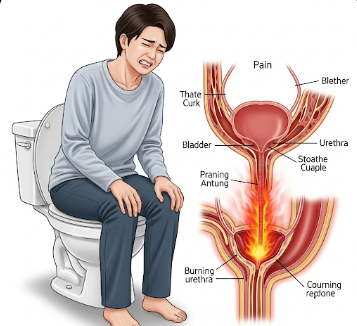
Overview Dysuria is the medical term for painful or uncomfortable urination, which can present as burning, stinging, or sharp sensations during urination. It is a common symptom associated with urinary tract infections (UTIs), sexually transmitted infections (STIs), bladder inflammation, or kidney issues. Dysuria can significantly impact daily life, work productivity, and overall well-being. In Korea, […]
Dysphagia (swallowing problems) in Korea
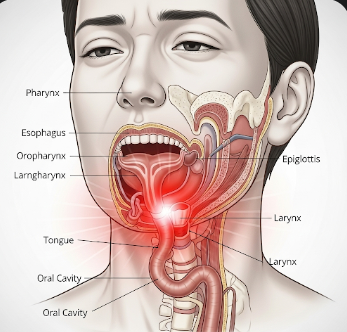
Overview Dysphagia is the medical term for difficulty or discomfort while swallowing, which can involve problems in the mouth, throat, or esophagus. It affects both solids and liquids, and can range from mild discomfort to severe obstruction that impairs nutrition and hydration. Dysphagia can significantly impact daily life, mental health, and overall well-being. In Korea, […]
Delirium in Korea
Overview Delirium is an acute, sudden-onset mental disorder characterized by confusion, disorientation, and changes in attention and awareness. It often develops over hours to days and is usually secondary to another medical condition, infection, medication, or metabolic imbalance. Delirium can affect older adults, hospitalized patients, and those with underlying cognitive impairments. In Korea, neurology, psychiatry, […]
Deafness in Korea
Overview Deafness refers to partial or complete loss of hearing, which can affect one or both ears. It can be congenital (present at birth) or acquired later in life due to injury, illness, or age-related changes. Deafness can impact communication, learning, social interaction, and overall quality of life. In Korea, audiology clinics and ENT centers […]
Dysuria (Painful Urination) in Korea
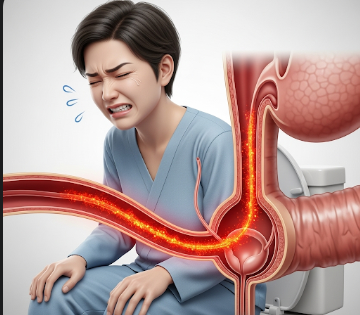
Overview Dysuria is the medical term for painful or uncomfortable urination, which can occur as a burning, stinging, or sharp sensation during urination. Dysuria is a common symptom associated with urinary tract infections (UTIs), sexually transmitted infections (STIs), bladder inflammation, or kidney issues. It can affect daily comfort, work productivity, and overall quality of life. […]
Dyspnea in Korea

Overview Dyspnea is the medical term for shortness of breath or difficulty breathing, which can range from mild discomfort during exertion to severe breathing distress at rest. It is a common symptom of numerous respiratory, cardiovascular, and systemic conditions. Dyspnea can significantly affect quality of life, physical activity, and overall health. In Korea, pulmonology and […]
Dysphagia (Difficulty Swallowing) in Korea
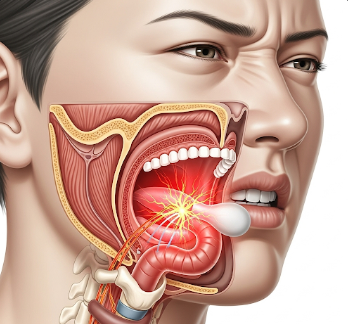
Overview Dysphagia is a medical condition characterized by difficulty swallowing, which can involve problems with the mouth, throat, or esophagus. This condition can range from mild discomfort when swallowing solid foods to severe obstruction that prevents both food and liquids from passing properly. Dysphagia can affect nutrition, hydration, and overall quality of life, and may […]
Dysosmia (Disordered Smell Perception) in Korea

Overview Dysosmia refers to a disorder in smell perception, where individuals experience a distorted or impaired sense of smell. This can include reduced smell (hyposmia), complete loss of smell (anosmia), or altered/phantom smells (parosmia and phantosmia). Dysosmia can significantly affect taste, appetite, safety, and quality of life, as the sense of smell is critical for […]
Dysmetria in Korea
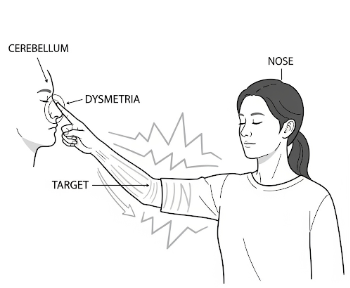
Overview Dysmetria is a neurological condition characterized by the inability to properly control the distance, power, or speed of voluntary movements. It is commonly associated with cerebellar dysfunction, meaning that the part of the brain responsible for coordination is affected. Individuals with dysmetria often overshoot or undershoot targets when reaching for objects or walking, which […]