
Emotional Dysregulation in Korea

Overview Emotional dysregulation refers to the difficulty in managing, processing, or responding appropriately to emotional experiences. Individuals with emotional dysregulation may experience intense emotions, rapid mood swings, or difficulty calming down after stressful events. It is often associated with mental health conditions, such as borderline personality disorder, bipolar disorder, depression, anxiety disorders, and trauma-related disorders. […]
Elevated PSA (Prostate-Specific Antigen) Level in Korea
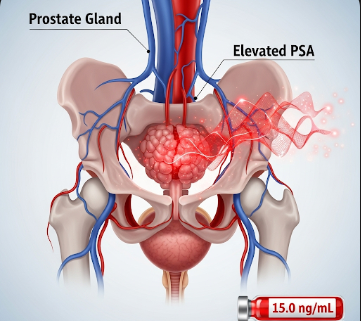
Overview Elevated PSA (Prostate-Specific Antigen) level refers to higher-than-normal concentrations of PSA in the blood, which can be an indicator of prostate health issues. PSA is a protein produced by the prostate gland, and its levels can increase due to prostate cancer, benign prostatic hyperplasia (BPH), or prostatitis. Elevated PSA does not automatically indicate cancer […]
Elevated Liver Enzymes in Korea
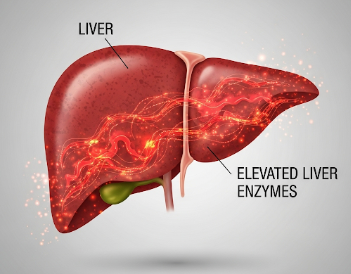
Overview Elevated liver enzymes refer to higher-than-normal levels of certain enzymes in the blood, indicating liver stress, inflammation, or damage. The key enzymes usually monitored include alanine aminotransferase (ALT), aspartate aminotransferase (AST), alkaline phosphatase (ALP), and gamma-glutamyl transferase (GGT). Elevated levels do not always indicate serious liver disease but require evaluation to determine the underlying […]
Electrolyte Imbalance in Korea
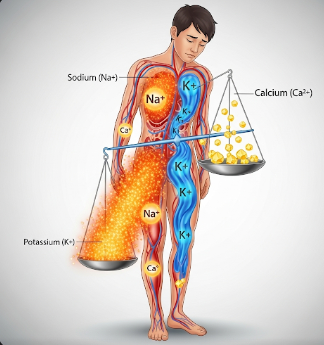
Overview Electrolyte imbalance occurs when the levels of electrolytes in the body are either too high or too low, disrupting normal physiological functions. Electrolytes are minerals such as sodium, potassium, calcium, magnesium, and chloride, which are essential for nerve function, muscle contraction, hydration, and acid-base balance. Imbalances can result from dietary deficiencies, medical conditions, medications, […]
Elbow Pain in Korea
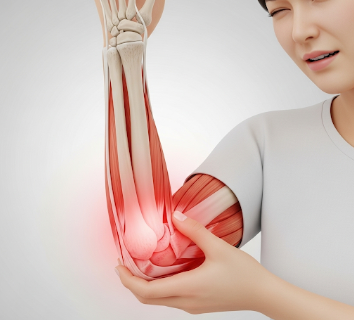
Overview Elbow pain is a common musculoskeletal complaint that can affect anyone from athletes to office workers. It refers to discomfort, aching, or sharp pain around the elbow joint, which may be caused by injury, overuse, inflammation, or underlying medical conditions. The elbow is a complex joint composed of bones, muscles, tendons, ligaments, and nerves, […]
Effacement in Korea
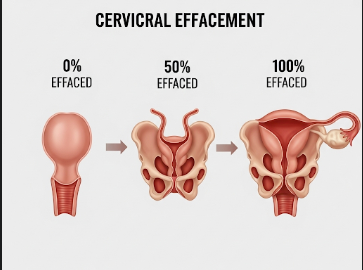
Overview Effacement refers to the thinning and shortening of the cervix in preparation for childbirth. It is a critical process that occurs during labor, allowing the cervix to dilate and enable the passage of the baby through the birth canal. Effacement is usually measured as a percentage, from 0% (no thinning) to 100% (fully thinned). […]
Echopraxia in Korea
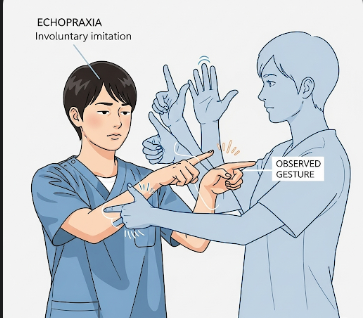
Overview Echopraxia is a neurological or psychiatric symptom characterized by the involuntary imitation of another person’s movements or gestures. Unlike conscious mimicry, echopraxia occurs without intent or awareness, and can interfere with daily functioning and social interactions. It is often observed in neurodevelopmental disorders, movement disorders, or psychiatric conditions. In Korea, neurology, psychiatry, and rehabilitation […]
Echolalia in Korea

Overview Echolalia is a speech phenomenon in which a person repeats words, phrases, or sounds they hear, either immediately or after a delay. It is common in children developing language skills but can also be observed in individuals with neurodevelopmental disorders, neurological conditions, or psychiatric disorders. Echolalia can serve different communicative functions, such as expressing […]
Early Satiety in Korea
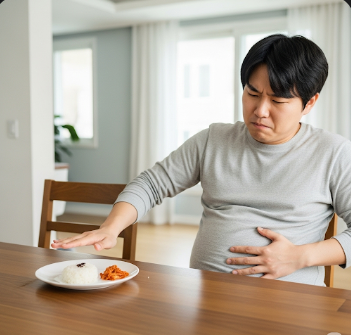
Overview Early satiety refers to the feeling of fullness after eating only a small amount of food, often before consuming a normal-sized meal. It is a symptom rather than a disease and can signal gastrointestinal disorders, metabolic issues, or systemic illnesses. Early satiety can affect nutritional intake, weight management, and overall well-being, and may be […]
Ear Pain (Earache, Otalgia) in Korea
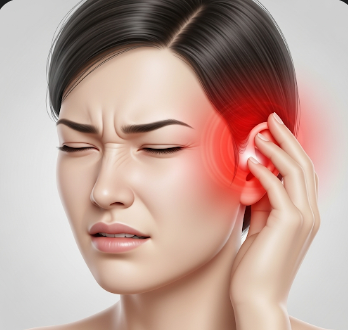
Overview Ear pain, also called otalgia or earache, is a common symptom affecting the outer, middle, or inner ear. It can range from mild discomfort to severe pain that interferes with daily activities. Ear pain can be primary, originating from the ear itself, or referred, caused by conditions affecting nearby structures such as the throat, […]