
Eye Pain in Korea
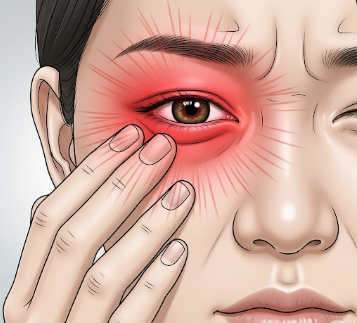
Overview Eye pain refers to any discomfort, soreness, or aching sensation in or around the eyes. It can range from mild irritation to severe, debilitating pain and may be sudden or gradual in onset. Eye pain is often associated with other symptoms such as redness, blurred vision, tearing, or light sensitivity, and can indicate a […]
Eye Miosis in Korea
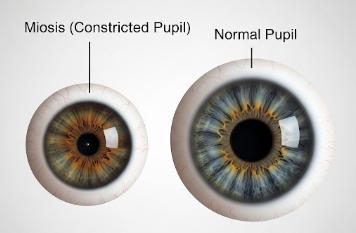
Overview Eye miosis refers to the abnormal constriction of the pupils, resulting in smaller-than-normal pupil size. The pupil controls the amount of light entering the eye, and its size is normally regulated by the autonomic nervous system. Miosis can be physiological, drug-induced, or a sign of an underlying medical condition. In Korea, ophthalmology and neurology […]
Eye Irritation in Korea
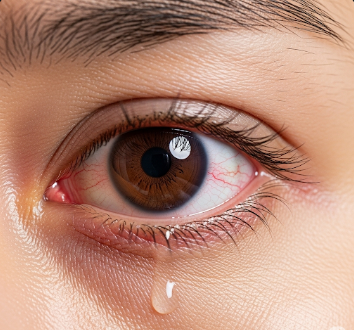
Overview Eye irritation is a common condition characterized by discomfort, redness, itching, or a burning sensation in the eyes. It can result from a variety of causes, including environmental factors, infections, allergies, or underlying ocular diseases. Eye irritation affects daily activities such as reading, driving, or using digital devices, and prolonged irritation may lead to […]
Eye Floaters (Myodesopsias) in Korea
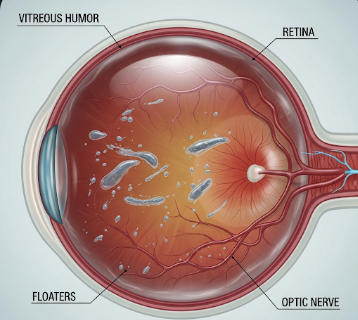
Overview Eye floaters (Myodesopsias) are small specks, threads, or cobweb-like shapes that drift across the visual field. They are caused by tiny clumps of gel or cells inside the vitreous humor, the clear gel that fills the eye. Floaters are most noticeable when looking at a bright, plain background, such as a clear sky or […]
Eye (Intraocular) Pressure in Korea
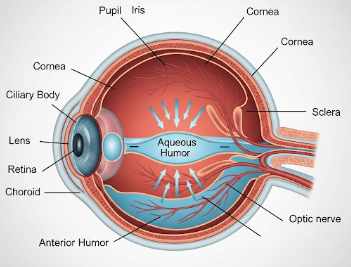
Overview Eye (intraocular) pressure (IOP) refers to the fluid pressure inside the eye, which is essential for maintaining the eye’s shape, structural integrity, and proper functioning. Normal intraocular pressure helps the eye maintain its optical properties and protects internal structures, including the retina and optic nerve. Elevated or reduced IOP can indicate ocular health issues, […]
Exophoria in Korea
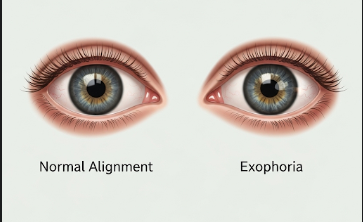
Overview Exophoria is a type of latent eye misalignment (heterophoria) where the eyes tend to drift outward when binocular vision is disrupted. Unlike exotropia, which is a constant outward deviation, exophoria is usually hidden under normal visual conditions and becomes noticeable during specialized testing or eye fatigue. In Korea, ophthalmology and optometry clinics provide accurate […]
Executive Dysfunction in Korea

Overview Executive dysfunction refers to impairments in the brain’s executive functions, which are the cognitive processes responsible for planning, decision-making, problem-solving, organization, and impulse control. Individuals with executive dysfunction often experience difficulty managing daily tasks, regulating behavior, and achieving long-term goals. This condition can occur in neurological disorders, psychiatric conditions, or as a result of […]
Esophoria in Korea
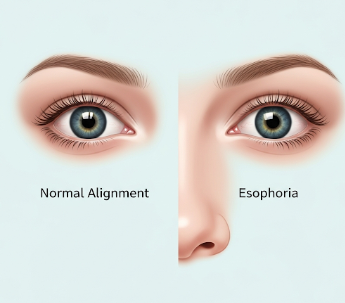
Overview Esophoria is a type of latent eye misalignment (heterophoria) in which the eyes tend to turn inward when the visual system is not actively controlling alignment. Unlike esotropia, which is a constant inward deviation, esophoria is typically hidden under normal binocular vision and becomes apparent only during certain tests or when the eyes are […]
Erythematous Mucosa in Korea
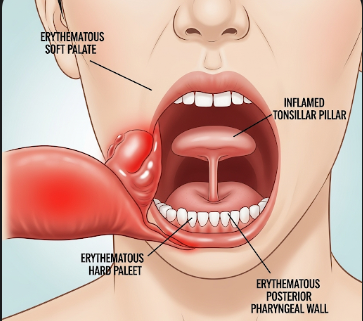
Overview Erythematous mucosa refers to reddening of the mucous membranes, which can occur in the oral cavity, nasal passages, gastrointestinal tract, or other mucosal surfaces. This condition usually indicates inflammation, irritation, or infection of the affected area. Erythema may be localized or diffuse and can result from infections, allergic reactions, autoimmune disorders, or trauma. In […]
Enlarged Clitoris in Korea
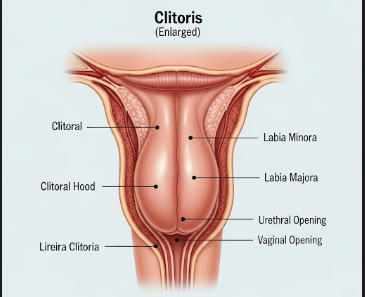
Overview Enlarged clitoris, medically known as clitoromegaly, refers to the abnormal enlargement of the clitoral tissue. This condition can occur congenitally, hormonally, or due to medical conditions. It may be associated with hormonal imbalances, genetic syndromes, or exposure to excess androgens. While clitoromegaly is not always harmful, it can cause physical discomfort, psychological stress, and […]