
Excessive hair growth (hirsutism) in Korea
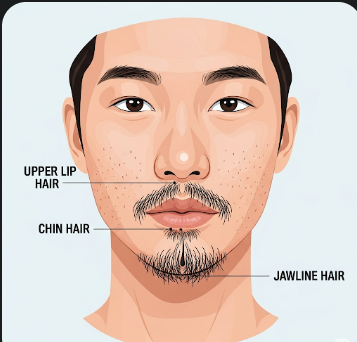
Overview Excessive hair growth, medically known as hirsutism, is a condition in which women develop coarse, dark hair in areas typically seen in males, such as the face, chest, back, and abdomen. Hirsutism can affect self-esteem, body image, and emotional well-being, and may indicate underlying hormonal or metabolic disorders. It is most often caused by […]
Excessive daytime sleepiness (hypersomnia) in Korea

Overview Excessive daytime sleepiness (EDS), also called hypersomnia, is a condition characterized by persistent drowsiness and an overwhelming urge to sleep during the day, even after adequate nighttime sleep. This condition can interfere with work, social activities, and overall quality of life. EDS may be primary (intrinsic to sleep-wake regulation) or secondary (caused by underlying […]
Essential tremor in Korea
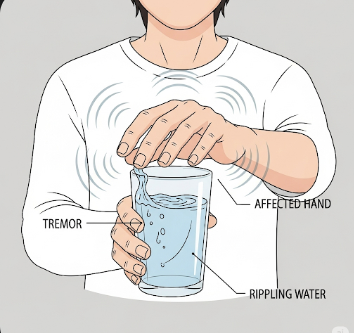
Overview Essential tremor (ET) is a neurological disorder characterized by involuntary, rhythmic shaking, most commonly affecting the hands, but it can also involve the head, voice, legs, or trunk. ET is one of the most common movement disorders, often worsening with age. While not usually life-threatening, ET can interfere with daily activities such as writing, […]
Erectile dysfunction (impotence) in Korea
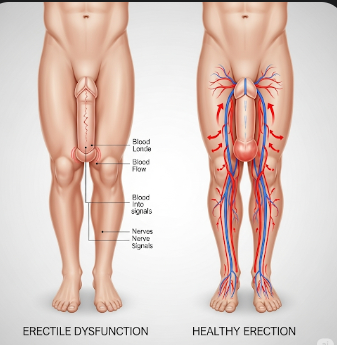
Overview Erectile dysfunction (ED), commonly referred to as impotence, is the inability to achieve or maintain an erection sufficient for satisfactory sexual performance. ED is a prevalent condition among men, particularly those over 40, and can significantly impact sexual satisfaction, self-esteem, and relationships. Causes of ED are often multifactorial, including vascular, neurological, hormonal, psychological, or […]
Ejaculation problems in Korea
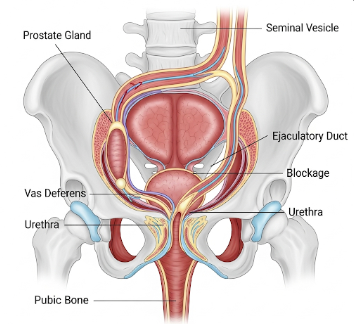
Overview Ejaculation problems refer to difficulties in achieving or controlling ejaculation during sexual activity. These issues can include delayed ejaculation, premature ejaculation, retrograde ejaculation, or anorgasmia (absence of ejaculation). Ejaculatory disorders can affect sexual satisfaction, relationships, and emotional well-being. Causes may be psychological, neurological, hormonal, or medication-related, and addressing them often requires a multidisciplinary approach. […]
Ectopic beats in Korea
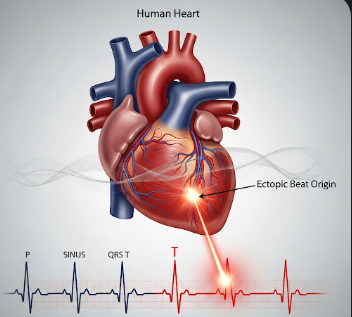
Overview Ectopic beats, also known as premature heartbeats, are extra or irregular heartbeats originating from the heart’s atria (PACs) or ventricles (PVCs). These abnormal beats disrupt the normal rhythm of the heart, often causing a fluttering, skipped beat, or pounding sensation in the chest. While occasional ectopic beats are common and usually benign, frequent or […]
Epiphora in Korea
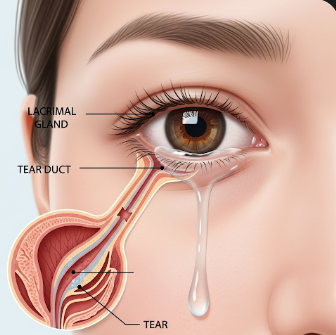
Overview Epiphora is the medical term for excessive tearing or watery eyes, resulting from either overproduction of tears or impaired tear drainage. While tears normally help lubricate, protect, and nourish the eyes, epiphora can cause blurred vision, discomfort, and social inconvenience. The condition can affect one or both eyes and may be temporary or chronic, […]
Excess tearing in Korea
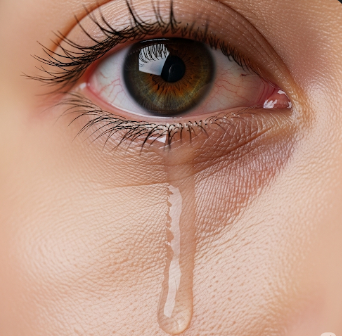
Overview Excess tearing, medically known as epiphora, is a condition characterized by overproduction or improper drainage of tears, resulting in constant watery eyes. While tears are essential for lubricating and protecting the eyes, excessive tearing can interfere with daily activities, vision, and overall eye comfort. Epiphora may arise from ocular surface irritation, blocked tear ducts, […]
Erythrocytosis in Korea
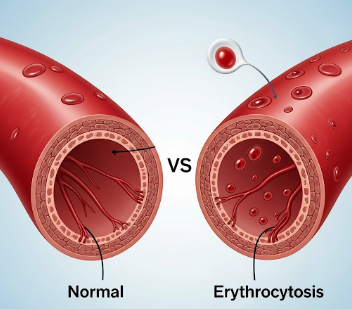
Overview Erythrocytosis is a medical condition characterized by an abnormally high number of red blood cells (RBCs) in the bloodstream. This increase can thicken the blood, potentially leading to complications such as blood clots, strokes, or heart attacks. The condition may be primary, arising from intrinsic bone marrow disorders like polycythemia vera, or secondary, resulting […]
Eye Twitching in Korea
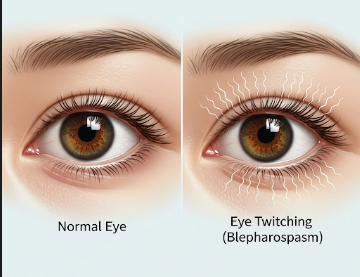
Overview Eye twitching, medically known as myokymia, refers to involuntary, repetitive spasms of the eyelid muscles. These twitches are usually harmless but can cause discomfort, fatigue, and distraction. Eye twitching commonly affects the lower eyelid, though the upper eyelid may also be involved. In Korea, ophthalmology clinics and neurology centers offer comprehensive evaluation, management, and […]