
Foamy Urine in Korea
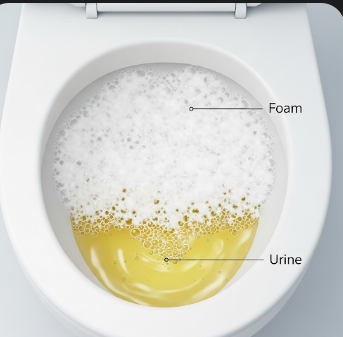
Overview Foamy urine refers to urine that appears bubbly or frothy, often resembling soap suds. While occasional foamy urine is generally harmless, persistent or excessive foaming may indicate underlying kidney problems or systemic conditions. It occurs due to rapid urination, high protein content, or kidney dysfunction affecting the filtration system. In Korea, nephrology and urology […]
Foaming at the Mouth in Korea

Overview Foaming at the mouth, medically referred to as ptyalism with frothy oral secretions, is a symptom characterized by the presence of frothy or bubbly saliva around the lips. It can be alarming and may indicate a range of underlying medical conditions, from mild issues like oral irritation to serious emergencies such as seizures, poisoning, […]
Flu-Like Symptoms in Korea
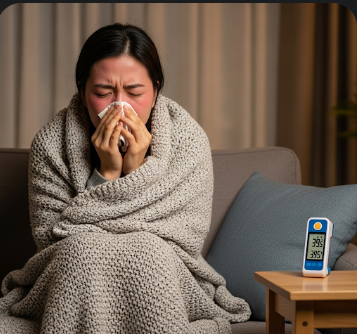
Overview Flu-like symptoms refer to a group of signs and manifestations resembling influenza, including fever, fatigue, muscle aches, headaches, chills, and respiratory discomfort. These symptoms are common in many viral and bacterial infections, not just influenza. While flu-like symptoms are often self-limiting, they may also indicate serious underlying illnesses such as pneumonia, COVID-19, or systemic […]
Flatulence (Farting) in Korea
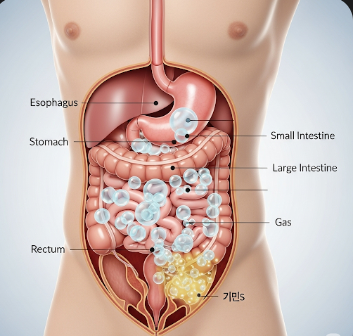
Overview Flatulence, commonly known as farting, is the release of gas from the digestive tract through the rectum. It is a normal physiological process resulting from swallowed air, bacterial fermentation of food in the intestines, or certain metabolic processes. While occasional flatulence is normal, excessive or malodorous gas can indicate underlying digestive issues. In Korea, […]
Flank Pain in Korea

Overview Flank pain is discomfort or pain located on the side of the body between the lower ribs and the hip, commonly referred to as the flank region. This pain can be sharp, dull, or cramping, and may occur on one or both sides. Flank pain is often associated with kidney problems, urinary tract issues, […]
Fetor Hepaticus in Korea
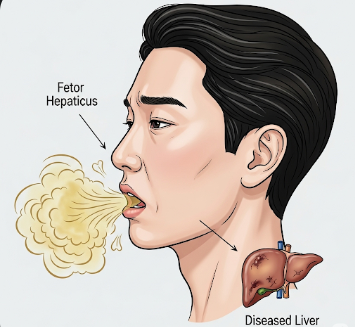
Overview Fetor hepaticus is a distinctive sweet, musty, or fecal-like odor in the breath associated with advanced liver disease, particularly hepatic failure or cirrhosis. It arises due to the accumulation of volatile substances such as dimethyl sulfide, which are normally metabolized by the liver. Fetor hepaticus is a key clinical sign of liver dysfunction and […]
Facial Swelling in Korea
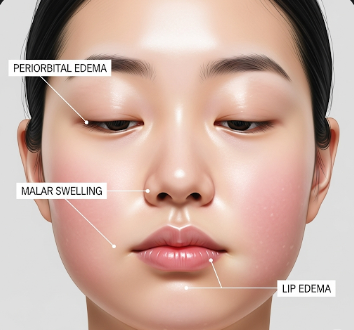
Overview Facial swelling, also known as facial edema, refers to abnormal puffiness or enlargement of facial tissues. It can occur suddenly or gradually and may involve one or both sides of the face. Facial swelling can range from mild cosmetic concern to a medical emergency, depending on the underlying cause. Common triggers include infections, allergies, […]
Facial Paralysis in Korea

Overview Facial paralysis refers to the loss of voluntary muscle movement in one or both sides of the face. This condition can affect expressions, speech, eye closure, and overall facial symmetry, often leading to functional and emotional challenges. Facial paralysis can be sudden or gradual, temporary or permanent, and is usually caused by nerve damage, […]
Facial Pain in Korea
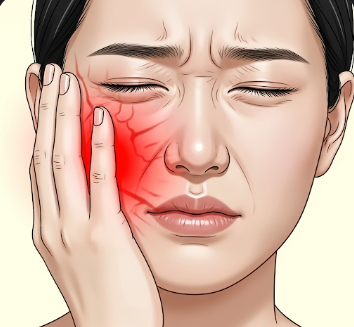
Overview Facial pain refers to any discomfort, aching, or sharp sensation in the face, jaw, or oral region. This pain can be intermittent or chronic and may vary in intensity from mild discomfort to severe, debilitating pain. Facial pain can arise from a variety of causes, including dental issues, neurological disorders, sinus problems, or trauma. […]
Excessive thirst in Korea

Overview Excessive thirst, medically known as polydipsia, is a condition where an individual experiences an unusual or persistent urge to drink fluids. While occasional thirst is normal, persistent excessive thirst can indicate underlying medical issues such as diabetes mellitus, diabetes insipidus, kidney disease, or electrolyte imbalances. Polydipsia can affect daily functioning, sleep, and quality of […]