
Gout Tophi in Korea

Overview Gout tophi are firm, chalky lumps that develop under the skin as a result of chronic gout, a condition caused by the accumulation of uric acid crystals in the body. These lumps are made up of monosodium urate crystals and are usually found in areas like the fingers, toes, elbows, ears, and around joints. […]
Glossoptosis in Korea
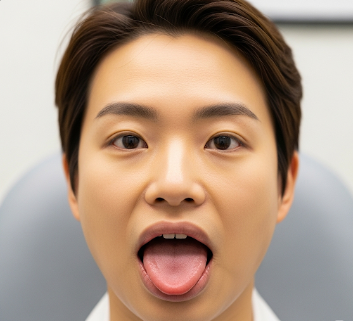
Overview Glossoptosis is a medical condition in which the tongue falls backward into the throat, partially blocking the airway. The term comes from the Greek words “glossa” (tongue) and “ptosis” (falling). This condition is most commonly seen in infants and young children, though it can affect adults as well, particularly in cases of sleep apnea […]
Globus Sensation in Korea

Overview Globus sensation, often described as the feeling of a “lump in the throat,” is a common yet puzzling symptom that affects many individuals. Unlike actual physical obstructions, globus sensation is not caused by a visible mass or growth. Instead, it is a functional disorder, meaning the throat feels tight or obstructed even though medical […]
Gallbladder Pain in Korea

Overview Gallbladder pain is a significant health concern that often appears as sharp or dull discomfort in the upper right abdomen, just beneath the rib cage. The gallbladder is a small pear-shaped organ situated below the liver, responsible for storing and releasing bile that helps in digesting fats. When the gallbladder becomes inflamed, blocked, or […]
Flatulence in Korea
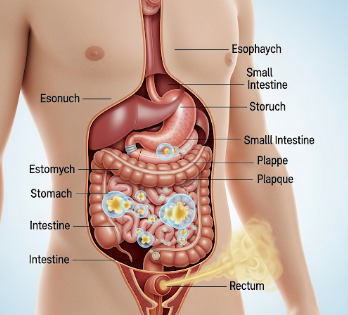
Overview Flatulence, commonly referred to as farting or passing gas, is a normal physiological process where gas is expelled from the digestive tract through the rectum. While occasional flatulence is normal, excessive or foul-smelling gas can be uncomfortable, socially embarrassing, or indicate digestive disorders. In Korea, gastroenterology clinics provide advanced evaluation, including stool analysis, breath […]
Fits (seizures) in Korea
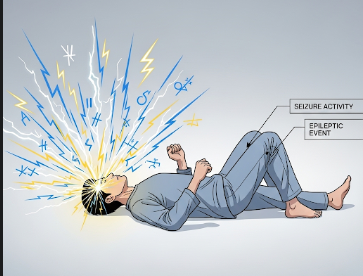
Overview Fits, medically known as seizures, are sudden, uncontrolled electrical disturbances in the brain that can affect movement, behavior, consciousness, or sensations. Seizures range from brief lapses of attention (absence seizures) to full-body convulsions (tonic-clonic seizures). In Korea, neurology clinics and specialized epilepsy centers offer advanced diagnostic tools, including EEG (electroencephalography), MRI scans, and blood […]
Frequent Urination in Korea
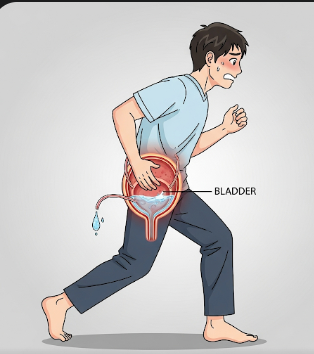
Overview Frequent urination, medically known as polyuria or urinary frequency, refers to the need to urinate more often than usual. While occasional frequent urination can be benign, persistent or sudden onset may indicate urinary tract infections, diabetes, kidney issues, or prostate problems. In Korea, urology, nephrology, and endocrinology clinics provide specialized evaluation for frequent urination, […]
Frequent Bowel Movements in Korea
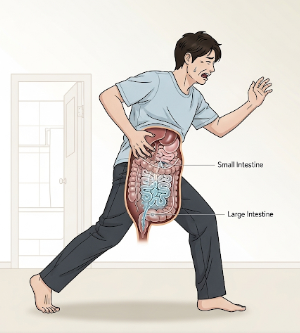
Overview Frequent bowel movements (FBM) refer to passing stools more often than usual, typically more than three times per day. While occasional increases in bowel frequency are often benign, persistent frequent bowel movements may indicate underlying gastrointestinal disorders, infections, or systemic conditions. In Korea, gastroenterology clinics specialize in evaluating and treating FBM, using diagnostic tools […]
Formication in Korea
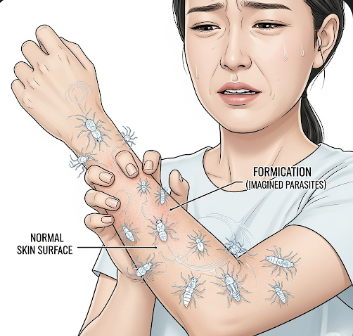
Overview Formication is a sensation of insects crawling on or under the skin, even when no insects are present. It is a type of paresthesia, often associated with neurological, psychiatric, or systemic conditions. Formication can be distressing, itchy, or painful, significantly impacting daily life and sleep. In Korea, neurology, dermatology, and psychiatry clinics provide comprehensive […]
Foot and Toe Ulcers in Korea
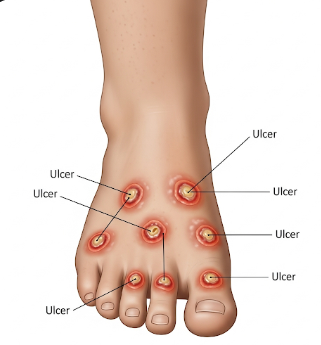
Overview Foot and toe ulcers are open sores or wounds that develop on the feet or toes, often caused by poor circulation, neuropathy, infection, or prolonged pressure. These ulcers are particularly common in individuals with diabetes, peripheral artery disease, or neuropathic conditions. If untreated, foot ulcers can lead to severe infections, gangrene, or even amputation. […]