Overview
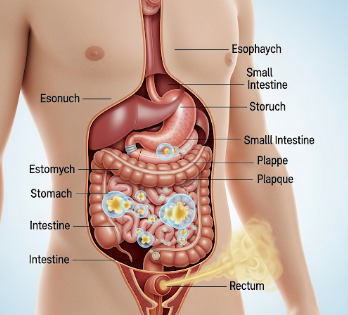
Flatulence, commonly referred to as farting or passing gas, is a normal physiological process where gas is expelled from the digestive tract through the rectum. While occasional flatulence is normal, excessive or foul-smelling gas can be uncomfortable, socially embarrassing, or indicate digestive disorders. In Korea, gastroenterology clinics provide advanced evaluation, including stool analysis, breath tests, and dietary assessment, alongside treatment plans to manage excessive flatulence and improve gut health.
Highlights:
➤ Normal digestive process involving the expulsion of gas
➤ Excessive flatulence may indicate gastrointestinal disorders or dietary issues
➤ Early evaluation can help manage symptoms and prevent complications
Key Facts
➤ Prevalence: Common; most adults pass gas 13–21 times per day
➤ Age affected: Can occur at any age; dietary habits and digestive health influence frequency
➤ Gender: Affects both males and females
➤ Impact: Can cause discomfort, bloating, and social embarrassment
➤ Prognosis: Often improves with dietary changes, probiotics, or treatment of underlying conditions
What is Flatulence?
Flatulence is the release of intestinal gas through the rectum, produced by:
- Swallowed air during eating, drinking, or talking
- Bacterial fermentation of undigested food in the colon
- Chemical reactions in the digestive tract
Normal flatulence is usually odorless and occurs several times a day, whereas excessive or malodorous gas may indicate malabsorption, infection, or dietary intolerance.
Highlights:
➤ Flatulence is a natural physiological process
➤ Frequency, volume, and odor help determine if it is normal or problematic
➤ Persistent or severe cases require medical assessment
What Symptoms Are Related to Flatulence?
➤ Passing gas frequently
➤ Bloating or abdominal distension
➤ Abdominal discomfort or cramping
➤ Belching or burping
➤ Foul-smelling stools or gas
➤ Altered bowel habits: Diarrhea or constipation
➤ Associated systemic symptoms: Fatigue, weight loss, or nausea in chronic conditions
Highlights:
➣ Symptoms help differentiate normal flatulence from underlying gastrointestinal disorders
➣ Presence of additional symptoms may indicate food intolerance, infection, or malabsorption
What Causes / Possible Causes
➤ Dietary factors: Beans, lentils, cabbage, carbonated drinks, and high-fiber foods
➤ Swallowing air: Eating quickly, chewing gum, or drinking through straws
➤ Lactose intolerance: Inability to digest lactose leads to gas production
➤ Malabsorption syndromes: Celiac disease, pancreatic insufficiency
➤ Gastrointestinal infections: Bacterial overgrowth or gastroenteritis
➤ Constipation: Slower transit increases fermentation and gas production
➤ Irritable Bowel Syndrome (IBS): Functional disorder causing bloating and excess gas
➤ Medications: Antibiotics, metformin, or certain supplements
Highlights:
➣ Flatulence can be physiological or pathological depending on frequency, odor, and associated symptoms
➣ Identification of the cause is key to effective management
When Should I See My Doctor?
➤ Persistent excessive flatulence lasting more than a few weeks
➤ Associated abdominal pain, bloating, or changes in bowel habits
➤ Presence of blood, mucus, or black stools
➤ Unexplained weight loss, nausea, or vomiting
➤ Disturbing odor or social interference with daily life
Highlights:
➣ Early consultation at a Korean gastroenterology clinic ensures correct diagnosis
➣ Prevents complications from underlying gastrointestinal disorders
Care and Treatment
➤ Dietary modifications:
- Reduce intake of gas-producing foods (beans, cruciferous vegetables, carbonated drinks)
- Eat slowly and chew food thoroughly
➤ Probiotics: Support healthy gut flora and reduce fermentation
➤ Medications: - Simethicone to reduce bloating and discomfort
- Lactase supplements for lactose intolerance
➤ Behavioral changes: Avoid swallowing excess air; regular physical activity
➤ Treatment of underlying conditions: - IBS management with medications and lifestyle modification
- Treat infections or malabsorption syndromes
➤ Monitoring: Track frequency, consistency, and odor of gas and stools
Highlights:
➣ Care combines dietary adjustments, symptomatic relief, and treatment of underlying causes
➣ Proper management improves comfort, social confidence, and digestive health
Treatment Options in Korea
Medical Treatments:
➤ Gastroenterology clinics: Diagnosis of IBS, malabsorption, infections, or dietary intolerances
➤ Dietary counseling: Personalized plans to reduce gas-producing foods and optimize digestion
➤ Medication management: Lactase, probiotics, and anti-flatulent drugs
Advanced Procedures:
➤ Stool analysis and breath tests: Identify malabsorption, bacterial overgrowth, or infections
➤ Endoscopy: Evaluate chronic or unexplained digestive symptoms
➤ Hospitalization: Rare, only for severe gastrointestinal disease or complications
➤ Follow-up care: Regular monitoring to maintain gut health and prevent recurrence
Rehabilitation & Follow-Up Care:
➤ Education on diet, lifestyle, and early recognition of digestive issues
➤ Monitoring for bowel habits, gas frequency, and symptom triggers
➤ Multidisciplinary support for chronic digestive disorders
Highlights:
➣ Korean clinics provide comprehensive evaluation, personalized dietary guidance, and effective symptom management
➣ Early intervention improves digestive comfort, quality of life, and social confidence