
Hyperemia in Korea
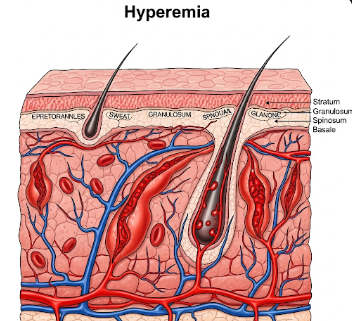
Overview Hyperemia is a condition characterized by an excess of blood in a part of the body, resulting in redness, warmth, and sometimes swelling. It occurs when blood vessels dilate to increase blood flow to a specific tissue or organ, often as a response to injury, inflammation, or increased metabolic activity. Hyperemia can be physiological […]
Hyperarousal in Korea

Overview Hyperarousal is a state of increased psychological and physiological tension, commonly associated with post-traumatic stress disorder (PTSD), anxiety disorders, and chronic stress. Individuals in a hyperaroused state experience heightened alertness, exaggerated startle response, difficulty sleeping, and irritability. While hyperarousal is a normal short-term response to stress, prolonged hyperarousal can interfere with daily functioning, relationships, […]
Hyperalgesia in Korea

Overview Hyperalgesia is a medical condition characterized by an increased sensitivity to pain, where normally painful stimuli are perceived as more intense than usual. It can affect specific areas of the body or be generalized, depending on the underlying cause. Hyperalgesia is often seen in chronic pain conditions, after injury, or due to certain medications, […]
Hot Flashes in Korea

Overview Hot flashes are sudden sensations of heat that typically affect the face, neck, and chest, often accompanied by flushing, sweating, and palpitations. They are a common symptom of hormonal changes, particularly during menopause, but can also occur in men or due to other medical conditions. While hot flashes are usually benign, they can disrupt […]
Homonymous Hemianopia in Korea

Overview Homonymous hemianopia, also called homonymous hemianopsia, is a visual field defect in which a person loses half of the visual field in both eyes on the same side. This condition usually results from damage to the brain’s visual pathways, rather than a problem with the eyes themselves. It often affects daily activities such as […]
Holosystolic Murmur in Korea
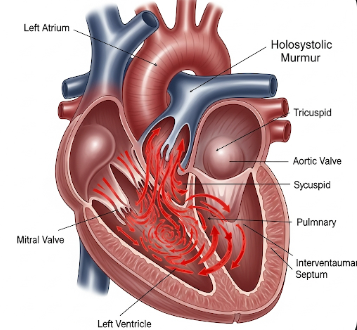
Overview A holosystolic murmur is a type of heart murmur heard throughout the entire systolic phase of the heartbeat. It is typically detected during auscultation with a stethoscope and can indicate underlying heart conditions affecting the heart valves or the heart’s structure. Holosystolic murmurs are most commonly associated with mitral regurgitation, tricuspid regurgitation, and ventricular […]
Hives in Children in Korea
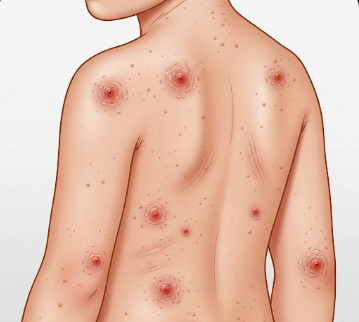
Overview Hives in children, medically known as urticaria, are raised, itchy, red or skin-colored welts that appear suddenly on the skin. These welts can vary in size and shape, often merging to form larger patches. Hives are a common allergic skin reaction in children and can occur due to food, medication, infections, or environmental triggers. […]
Hip Pain in Korea

Overview Hip pain is a common condition affecting the hip joint or surrounding structures, including muscles, ligaments, tendons, and bursae. The hip is a ball-and-socket joint that supports the body’s weight and allows movement such as walking, running, and bending. Pain in this area can range from mild discomfort to severe, debilitating pain, limiting mobility […]
High Red Blood Cell Count in Korea
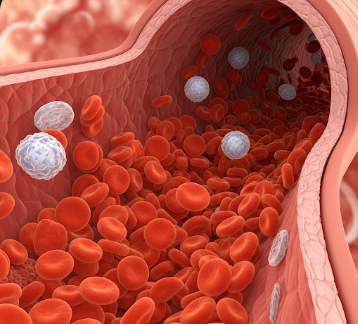
Overview A high red blood cell (RBC) count, medically known as erythrocytosis, occurs when the number of red blood cells in the bloodstream exceeds normal limits. Red blood cells are responsible for carrying oxygen from the lungs to tissues and organs, so an imbalance can impact circulation and oxygen delivery. While mild elevations can be […]
High Hemoglobin Count in Korea
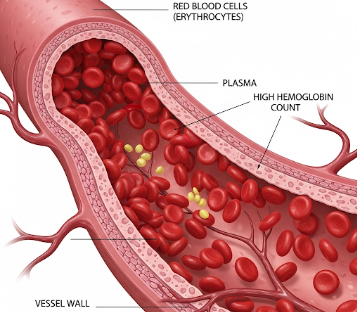
Overview A high hemoglobin count, medically known as polycythemia or erythrocytosis, is a condition in which the hemoglobin level in the blood exceeds normal limits. Hemoglobin, a protein in red blood cells, is responsible for transporting oxygen from the lungs to the rest of the body. While high hemoglobin can sometimes enhance oxygen delivery, abnormally […]