
Heat rash in Korea

Overview Heat rash, also known as miliaria or prickly heat, is a common skin condition that occurs when sweat ducts become blocked, leading to trapped sweat under the skin. This results in red bumps, itching, and a prickling sensation, especially in hot and humid conditions. Heat rash can affect all age groups, but it is […]
Haemoptysis in Korea

Overview Haemoptysis refers to the coughing up of blood from the lower respiratory tract, including the lungs and bronchi. The blood may appear bright red, frothy, or mixed with sputum. Haemoptysis is a serious symptom that can indicate a wide range of underlying conditions, from infections and inflammatory lung diseases to tumors or cardiovascular problems. […]
High temperature in Korea
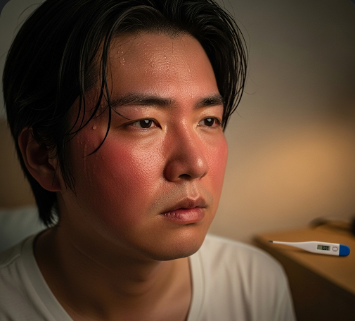
Overview High temperature, commonly referred to as fever, is a temporary rise in body temperature above the normal range of 36.1–37.2°C (97–99°F). Fever is usually a symptom rather than a disease, reflecting the body’s immune response to infection, inflammation, or other underlying conditions. In South Korea, hospitals and clinics provide comprehensive evaluation for high temperature, […]
Heart palpitations in Korea

Overview Heart palpitations are sensations of irregular, rapid, or unusually strong heartbeats that can be felt in the chest, throat, or neck. They are often described as fluttering, pounding, or skipping beats. While heart palpitations are commonly benign, they can sometimes indicate underlying heart or systemic conditions requiring medical attention. In South Korea, cardiology clinics […]
Haematuria in Korea
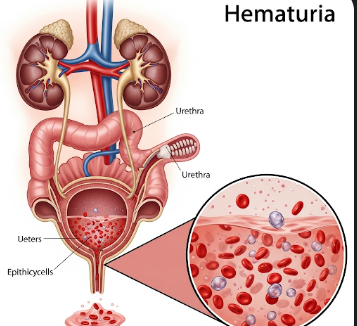
Overview Haematuria is the presence of blood in the urine, which can range from visible red or brown urine (gross haematuria) to microscopic amounts detectable only by laboratory tests (microscopic haematuria). It is a clinical sign rather than a disease itself and may indicate urinary tract infections, kidney disorders, trauma, or malignancies. In South Korea, […]
Hyporeflexia in Korea

Overview Hyporeflexia is a medical condition characterized by diminished or absent reflex responses during neurological examination. Reflexes are involuntary muscle contractions in response to stimuli, and hyporeflexia often indicates peripheral nerve dysfunction or lower motor neuron problems. Hyporeflexia can occur in various age groups and may be localized or generalized, depending on the underlying cause. […]
Hypopyon in Korea
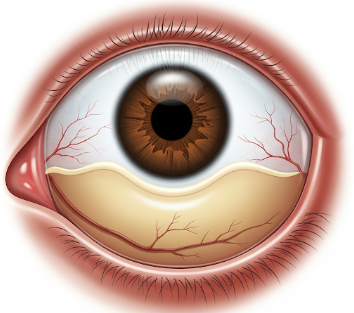
Overview Hypopyon is a medical condition characterized by the accumulation of pus in the anterior chamber of the eye, the fluid-filled space between the cornea and the iris. This condition is a sign of severe inflammation or infection, often associated with endophthalmitis, uveitis, or corneal ulcers. Hypopyon indicates active infection or immune response and requires […]
Hypopigmentation in Korea

Overview Hypopigmentation refers to patches of skin that are lighter than the surrounding skin due to a reduction in melanin, the pigment responsible for skin color. It can occur on any part of the body and may be localized or widespread, depending on the underlying cause. Hypopigmentation can arise from genetic conditions, skin injuries, infections, […]
Hyperreflexia in Korea

Overview Hyperreflexia is a medical condition characterized by overactive or overresponsive reflexes, often observed during neurological examinations. Reflexes, which are involuntary responses to stimuli, become exaggerated, and may indicate underlying nervous system disorders, particularly involving the upper motor neurons. Hyperreflexia can occur in various age groups and may be temporary or chronic depending on the […]
Hyperesthesia in Korea

Overview Hyperesthesia is a condition characterized by increased sensitivity of the senses, most commonly touch, but sometimes also to pain, sound, or light. Individuals with hyperesthesia perceive stimuli more intensely than usual, which can lead to discomfort, pain, or sensory overload. Hyperesthesia can result from nerve damage, neurological disorders, infections, medications, or metabolic conditions. In […]