
High Blood Protein (Hyperproteinemia) in Korea
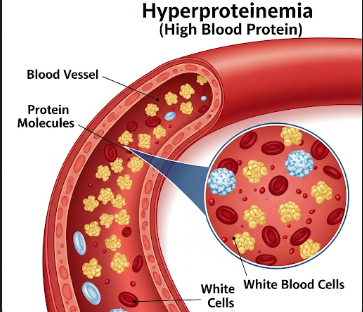
Overview High blood protein, medically called hyperproteinemia, is a condition in which the total protein level in the blood exceeds normal ranges. Blood proteins, primarily albumin and globulin, play vital roles in maintaining fluid balance, immune function, and transporting nutrients and hormones. While mild increases may be temporary or benign, significant hyperproteinemia can indicate underlying […]
Heterochromia in Korea

Overview Heterochromia is a condition in which a person has two different colored eyes or variations in color within the same eye. It can be present at birth (congenital) or acquired later in life due to injury, disease, or medication effects. While most cases are harmless and purely cosmetic, heterochromia can occasionally indicate an underlying […]
Hepatomegaly (Enlarged Liver) in Korea
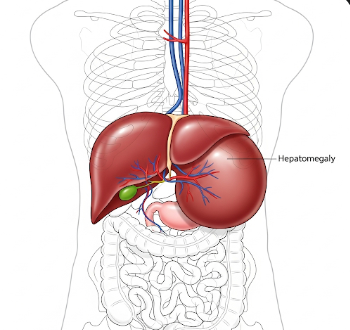
Overview Hepatomegaly is the medical term for an enlarged liver, a condition that can indicate a wide range of underlying health issues. The liver plays a vital role in metabolism, detoxification, and nutrient storage, so any enlargement can signal liver disease or systemic health problems. Causes of hepatomegaly range from liver infections, fatty liver disease, […]
Hemostasis in Korea
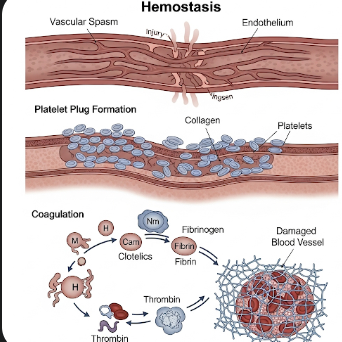
Overview Hemostasis is the natural process that stops bleeding when blood vessels are injured. It is a crucial physiological mechanism that prevents excessive blood loss while maintaining normal blood flow. The process involves a complex interaction between blood vessels, platelets, and clotting factors, resulting in the formation of a stable blood clot. Hemostasis occurs in […]
Hemorrhoids in Babies in Korea
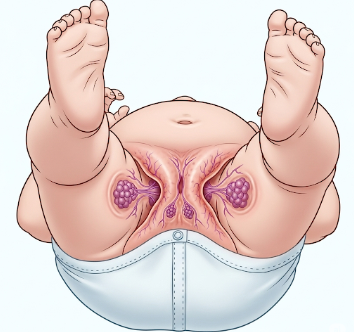
Overview Hemorrhoids in babies are swollen veins in the rectal or anal area, which can cause discomfort, pain, or minor bleeding. Although hemorrhoids are much more common in adults, infants can occasionally develop them, usually due to constipation, straining during bowel movements, or certain medical conditions. In most cases, baby hemorrhoids are mild and temporary, […]
Hemiplegia in Korea
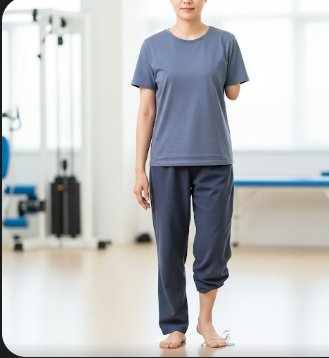
Overview Hemiplegia is a neurological condition characterized by complete paralysis on one side of the body, often affecting the arm, leg, and sometimes facial muscles. It is more severe than hemiparesis, where only partial weakness occurs. Hemiplegia can significantly impact mobility, daily activities, and overall independence. The condition commonly results from stroke, traumatic brain injury, […]
Hemiparesis in Korea
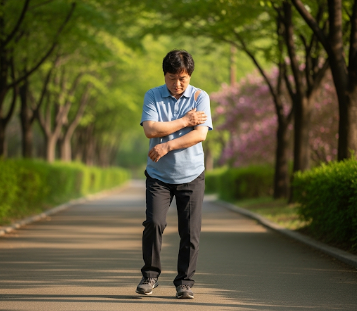
Overview Hemiparesis is a neurological condition characterized by weakness or partial paralysis on one side of the body. Unlike hemiplegia, which involves complete paralysis, hemiparesis causes reduced strength, impaired coordination, and functional limitations. It can affect the arm, leg, and facial muscles, significantly impacting mobility, balance, and daily activities. This condition is most commonly associated […]
Heinz Bodies in Korea
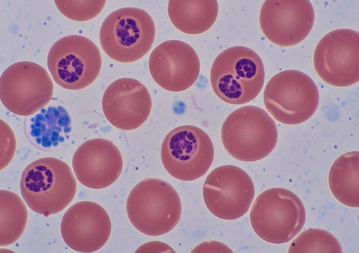
Overview Heinz bodies are abnormal inclusions within red blood cells (RBCs) composed of denatured hemoglobin. They are typically visible only with special staining techniques under a microscope. The presence of Heinz bodies indicates oxidative damage to hemoglobin, which can lead to hemolytic anemia if red blood cells are destroyed prematurely. Detection of Heinz bodies is […]
Heel Pain in Korea
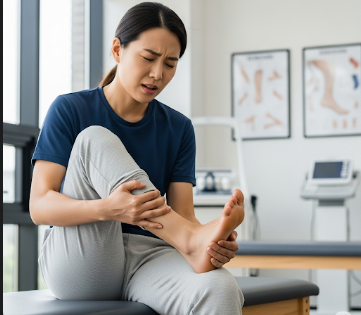
Overview Heel pain is a common musculoskeletal complaint characterized by discomfort, soreness, or aching in the heel area, often affecting walking, running, or standing. It can occur suddenly or gradually and may be acute or chronic, depending on the underlying cause. The heel comprises bones, ligaments, tendons, and soft tissues, and pain can arise from […]
Heberden’s Nodes in Korea
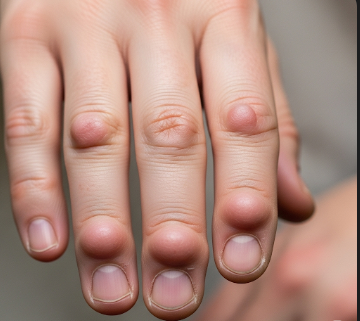
Overview Heberden’s nodes are bony swellings that appear at the distal interphalangeal (DIP) joints of the fingers. They are commonly associated with osteoarthritis, particularly in older adults, and are considered a clinical hallmark of degenerative joint disease in the hands. These nodes are usually painless initially, but over time they can cause stiffness, reduced finger […]