
Hiccups loss in Korea

Overview Hiccups are sudden, involuntary contractions of the diaphragm, followed by the rapid closure of the vocal cords, producing the characteristic “hic” sound. They are usually brief and harmless, but persistent or severe hiccups can indicate underlying medical conditions. In South Korea, medical facilities offer evaluation and management for persistent hiccups, including diagnostic tests, lifestyle […]
Hearing loss in Korea

Overview Hearing loss is a condition characterized by partial or complete inability to hear sounds in one or both ears. It affects people of all ages, from newborns to the elderly, and can be sudden or gradual, temporary or permanent. Hearing is essential for communication, safety, and quality of life, so early detection and treatment […]
Hypoxemia in Korea
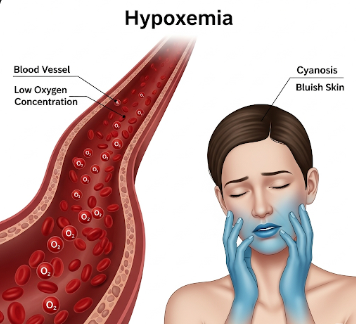
Overview Hypoxemia is a medical condition characterized by low levels of oxygen in the blood, particularly in the arteries. Oxygen is vital for cellular metabolism and organ function, and insufficient oxygen can affect the brain, heart, and other vital organs, leading to serious health complications if not addressed promptly. In South Korea, hospitals and specialized […]
High uric acid level in Korea
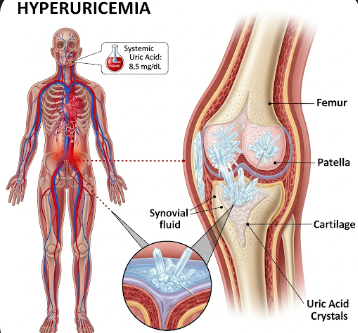
Overview A high uric acid level, medically referred to as hyperuricemia, occurs when the blood contains excess uric acid, a substance produced during the breakdown of purines, which are found in certain foods and cells. Elevated uric acid can lead to gout, kidney stones, and other metabolic complications. In South Korea, medical facilities provide comprehensive […]
High potassium (hyperkalemia) in Korea
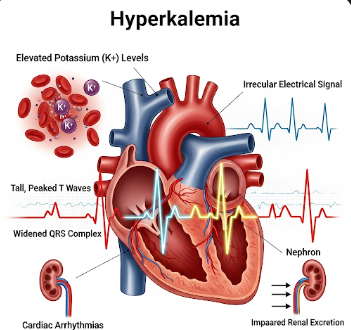
Overview High potassium, medically termed hyperkalemia, is a condition in which the potassium levels in the blood are elevated above normal ranges. Potassium is an essential mineral that plays a vital role in nerve function, muscle contraction, and heart rhythm regulation. Excessive potassium can lead to serious complications, especially affecting the heart. In South Korea, […]
Hand numbness in Korea

Overview Hand numbness is a condition characterized by a loss of sensation, tingling, or “pins and needles” feeling in one or both hands. It can occur suddenly or gradually, affect specific fingers or the entire hand, and may be temporary or persistent. While occasional numbness may be benign, chronic or recurring symptoms can indicate nerve […]
Heart murmur in Korea
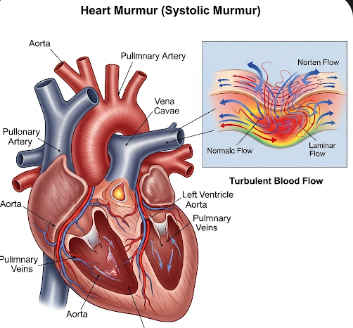
Overview A heart murmur is an abnormal sound heard during a heartbeat, often described as a whooshing or swishing noise. Murmurs are caused by turbulent blood flow within the heart or near its valves. While some murmurs are harmless (innocent), others may indicate underlying heart conditions, including valve disorders, congenital defects, or other cardiovascular issues. […]
Hyperhidrosis in Korea

Overview Hyperhidrosis is a medical condition characterized by excessive sweating beyond what is needed to regulate body temperature. This condition can affect various parts of the body, including the hands, feet, underarms, face, and scalp, and may occur even in cool or relaxed conditions. In South Korea, dermatology and specialized clinics provide advanced diagnostics, treatments, […]
Heavy periods in Korea

Overview Heavy periods, medically referred to as menorrhagia, are characterized by excessive menstrual bleeding that lasts longer than usual or requires frequent changing of sanitary products. While many women experience variations in menstrual flow, heavy periods can interfere with daily life, cause fatigue, and sometimes indicate underlying health issues. In South Korea, gynecology clinics and […]
Headaches in Korea

Overview Headaches are one of the most common health complaints worldwide, characterized by pain or discomfort in the head, scalp, or neck. While most headaches are benign and short-lived, they can sometimes indicate underlying medical conditions requiring attention. In South Korea, neurology and headache clinics offer advanced diagnostics, treatment plans, and lifestyle guidance for headache […]