
Insensitivity in Korea

Overview Insensitivity, in a medical context, refers to a reduced or absent ability to feel physical sensations, such as touch, temperature, or pain. It can affect localized areas, specific body parts, or, in rare cases, the entire body. Insensitivity may be temporary or chronic and can result from nerve damage, neurological disorders, systemic diseases, or […]
Itchy Neck in Korea
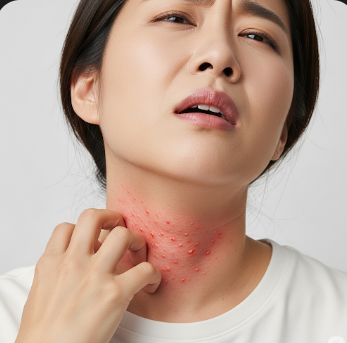
Overview An itchy neck is a common symptom that can affect people of all ages. It may be a minor irritation caused by dry skin or a reaction to an allergen, or it can signal an underlying medical condition. Persistent or severe itching, especially when accompanied by redness, swelling, or rash, requires medical attention. In […]
Intermittent Claudication in Korea
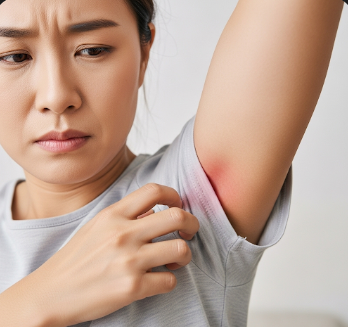
Overview Intermittent claudication is a pain or cramping in the legs that occurs during walking or exercise and is relieved by rest. This condition is primarily caused by peripheral artery disease (PAD), where the arteries supplying blood to the limbs are narrowed or blocked. Intermittent claudication is often an early warning sign of cardiovascular disease […]
Intercostal Retractions in Korea
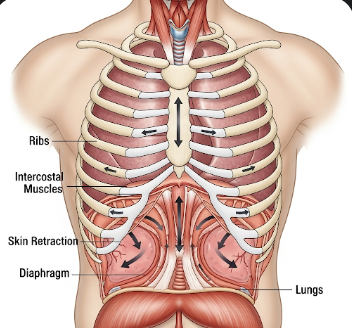
Overview Intercostal retractions refer to a visible pulling in of the skin between the ribs during breathing. This occurs when a person has difficulty breathing and the chest muscles are working harder than normal to draw air into the lungs. Intercostal retractions are often a sign of respiratory distress and may indicate an underlying condition […]
Intention Tremor in Korea
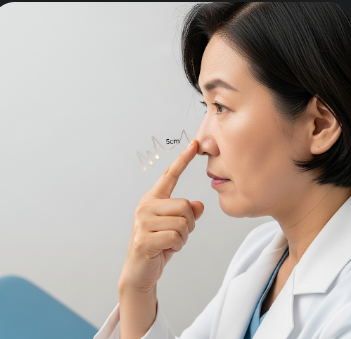
Overview Intention tremor is a type of involuntary, rhythmic shaking of a body part that occurs during purposeful movement, such as reaching for an object or writing. Unlike resting tremors, intention tremors worsen as the individual approaches the target, affecting precision and coordination. This condition is commonly associated with cerebellar disorders, multiple sclerosis (MS), stroke, […]
Indigestion (Dyspepsia) in Korea
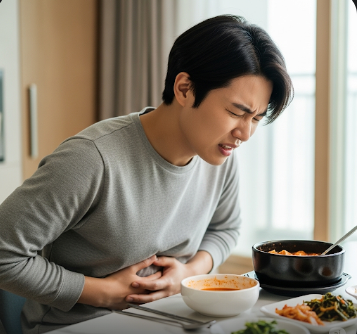
Overview Indigestion, also known as dyspepsia, is a term for discomfort or pain in the upper abdomen, often associated with bloating, nausea, or feeling full quickly after meals. It is a common gastrointestinal complaint affecting people of all ages. While often mild and temporary, chronic indigestion may indicate underlying digestive disorders. In South Korea, gastroenterology […]
Incontinence After Prostate Surgery in Korea
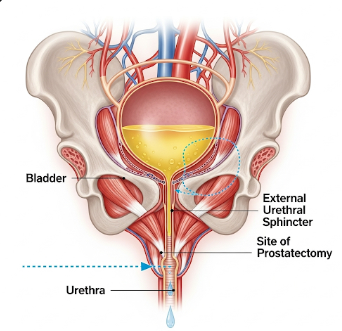
Overview Incontinence after prostate surgery is a common complication affecting men who have undergone procedures such as radical prostatectomy, transurethral resection of the prostate (TURP), or minimally invasive prostate surgeries. It refers to the involuntary leakage of urine, ranging from mild dribbling to complete loss of bladder control. In South Korea, urology specialists and rehabilitation […]
Implantation Bleeding in Korea
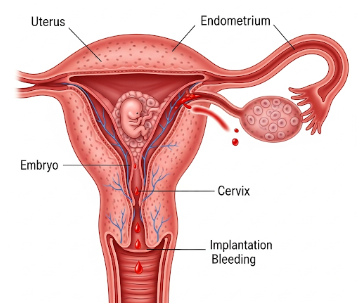
Overview Implantation bleeding is light vaginal bleeding that can occur when a fertilized egg attaches to the lining of the uterus, usually around 6–12 days after ovulation. It is often lighter in flow than a regular menstrual period and may be pink or brown in color. While implantation bleeding is typically harmless and a sign […]
Hives in Korea

Overview Hives, also known as urticaria, are raised, itchy, red or skin-colored welts that appear suddenly on the skin. They vary in size, shape, and location and may appear anywhere on the body. Hives are usually caused by an allergic reaction, stress, infection, or environmental triggers. In South Korea, dermatology clinics and allergy specialists offer […]
Hirsutism in Korea

Overview Hirsutism is a condition characterized by excessive, unwanted hair growth in women in areas where men typically grow hair, such as the face, chest, and back. It is often caused by hormonal imbalances, particularly an increase in androgens (male hormones) in females. While hirsutism itself is not life-threatening, it can affect self-esteem, emotional well-being, […]