
Orbital Hypertelorism in Korea

Overview Orbital hypertelorism is a congenital condition characterized by an abnormally increased distance between the eyes (orbits). It is often noticeable at birth and may be associated with craniofacial syndromes or other congenital anomalies. While it primarily affects facial appearance, severe cases can impact vision, dental alignment, and psychosocial well-being. In Korea, orbital hypertelorism is […]
Opisthotonos in Korea

Overview Opisthotonos is a rare but serious neurological condition characterized by severe muscle spasms causing the body to arch backward, with the head and heels bent backward and the spine curved. This condition often indicates serious underlying neurological or infectious disorders and requires urgent medical attention. In Korea, opisthotonos is managed in neurology and critical […]
Odynophagia (Painful Swallowing) in Korea

Overview Odynophagia is the medical term for painful swallowing, a symptom that can affect the throat, mouth, or esophagus. This condition can be acute or chronic and may result from infections, inflammation, injuries, or underlying medical disorders. In Korea, odynophagia is evaluated carefully by ENT specialists, gastroenterologists, and primary care physicians to determine the underlying […]
Nosebleeds in Korea

Overview Nosebleeds, medically known as epistaxis, are a common condition where blood flows from the nose due to ruptured blood vessels in the nasal lining. While usually harmless, frequent or severe nosebleeds can indicate underlying health problems. In Korea, nosebleeds are evaluated by ENT specialists who determine the cause, assess severity, and provide appropriate medical […]
Nocturia (frequent night-time urination) in Korea

Overview Nocturia is a condition in which an individual wakes up multiple times during the night to urinate. It is a common symptom in adults, particularly among the elderly, and can significantly disrupt sleep, reduce quality of life, and lead to daytime fatigue. In Korea, nocturia is considered both a symptom and a potential indicator […]
Nose, stuffy in Korea

Overview A stuffy nose, also called nasal congestion, occurs when the nasal passages become swollen or blocked, making it difficult to breathe through the nose. It is a common symptom that can result from infections, allergies, environmental irritants, or structural issues. In Korea, nasal congestion is evaluated by ENT specialists, allergists, and primary care doctors […]
Nose runny in Korea

Overview A runny nose, medically referred to as rhinorrhea, is a condition where the nasal passages produce excess mucus, leading to fluid drainage from the nostrils. This symptom is common across all ages and can be temporary or persistent, depending on the underlying cause. In Korea, healthcare providers carefully evaluate runny nose symptoms to distinguish […]
Neutropenia in Korea
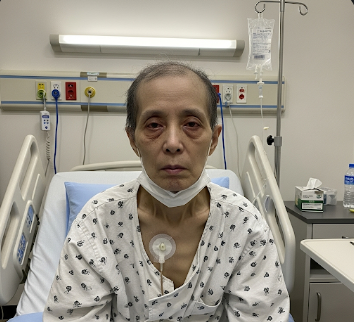
Overview Neutropenia is a medical condition characterized by a low count of neutrophils, a type of white blood cell that plays a crucial role in fighting infections. Neutrophils are part of the body’s first line of defense against bacteria, fungi, and other pathogens, and a decrease in their number can increase the risk of serious […]
Nausea, Feeling sick (nausea) in Korea

Overview Nausea, commonly described as feeling sick to the stomach, is a frequent symptom experienced by people of all ages. It manifests as an unpleasant sensation in the upper stomach with an urge to vomit. While nausea is often temporary and benign, it can sometimes indicate underlying medical conditions, infections, or complications. In Korea, healthcare […]
Numbness in Hands in Korea

Overview Numbness in the hands refers to a loss of sensation or tingling in one or both hands. This symptom, often described as pins-and-needles, can result from nerve compression, circulation problems, or systemic conditions. While occasional numbness is common and usually temporary, persistent or worsening symptoms may indicate underlying nerve or vascular disorders. In Korea, […]