
Numbness in Korea

Overview Numbness, also called paresthesia, refers to a loss of sensation or a tingling feeling in a part of the body. It can affect the skin, limbs, or even the face and may be temporary or chronic depending on the underlying cause. Numbness is often a symptom rather than a disease, signaling nerve compression, circulation […]
Nosebleeds While Pregnant in Korea

Overview Nosebleeds during pregnancy, medically called epistaxis, are a relatively common symptom, especially in the second and third trimesters. Hormonal changes, increased blood volume, and heightened nasal blood vessel sensitivity can lead to frequent or spontaneous bleeding from the nose. While usually benign, persistent or severe nosebleeds should be evaluated to rule out underlying medical […]
Nociceptive Pain in Korea

Overview Nociceptive pain is a type of pain that arises from tissue injury or inflammation, activating specialized sensory nerves called nociceptors. It is the body’s natural warning system, signaling actual or potential damage to tissues such as skin, muscles, joints, or internal organs. In Korea, nociceptive pain is widely recognized in both acute and chronic […]
Nitrite-Positive Urine in Korea
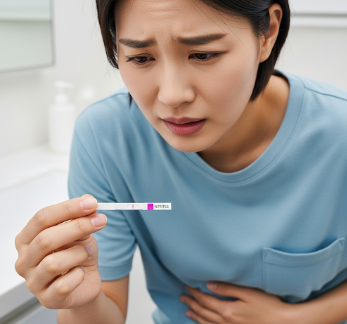
Overview Nitrite-positive urine refers to the presence of nitrites in the urine, typically detected through a urine dipstick test. This is an important diagnostic marker because it often indicates a urinary tract infection (UTI) caused by bacteria capable of converting nitrates in the urine into nitrites. In Korea, detecting nitrite-positive urine is a routine part […]
Nipple Pain, Itching & Rashes: Could It Be a Nipple Yeast Infection? in Korea

Overview Nipple yeast infection, also known as mammary candidiasis, is an infection of the nipple and surrounding breast tissue caused by the Candida species of fungi, most commonly Candida albicans. It is often seen in breastfeeding women, but it can also affect non-lactating adults. The infection can cause intense nipple pain, itching, redness, and rashes, […]
Nipple Discharge in Korea
Overview Nipple discharge is the release of fluid from one or both nipples, which can vary in color, consistency, and frequency. While it can be completely normal, particularly during breastfeeding or hormonal changes, nipple discharge may sometimes indicate underlying medical conditions, including infections, hormonal imbalances, or, in rare cases, breast cancer. In Korea, healthcare providers […]
Night Sweats in Korea
Overview Night sweats refer to episodes of excessive sweating during sleep that can soak clothing or bedding. Unlike normal perspiration caused by warm environments, night sweats are often unrelated to temperature or physical activity and may indicate underlying medical conditions. In Korea, physicians carefully evaluate night sweats to identify potential causes, ranging from infections, hormonal […]
Night Blindness (Nyctalopia) in Korea

Overview Night blindness, medically known as nyctalopia, is a condition where an individual experiences difficulty seeing in low light or darkness. While some degree of dim-light vision difficulty is normal with age, persistent night blindness can indicate underlying eye disorders or systemic health issues. In Korea, night blindness is carefully evaluated by ophthalmologists to determine […]
Neurodivergent in Korea

Overview Neurodivergent is a term used to describe individuals whose neurological development and functioning differ from what is considered “typical”. This concept encompasses conditions such as autism spectrum disorder (ASD), attention-deficit/hyperactivity disorder (ADHD), dyslexia, dyspraxia, and Tourette’s syndrome, among others. The term neurodivergence emphasizes that these differences are natural variations in the human brain, rather […]
Neck Pain in Korea
Overview Neck pain is a common musculoskeletal complaint affecting individuals of all ages. It refers to discomfort, stiffness, or soreness in the cervical region of the spine. While often caused by poor posture, muscle strain, or minor injuries, persistent neck pain can indicate underlying medical conditions such as herniated discs, arthritis, or neurological issues. In […]