
Pelvic Pain in Korea

Overview Pelvic pain is a common symptom affecting both men and women, referring to discomfort in the lower abdomen or pelvis—the area between the hip bones. It can be acute or chronic, mild or severe, and may significantly impact daily life, work, and overall well-being. Pelvic pain is not a disease itself but often a […]
Peeling Skin in Korea

Overview Peeling skin, medically known as desquamation, is a condition where the outer layer of the skin, the epidermis, begins to shed or flake off. While occasional skin peeling is normal due to natural skin regeneration, excessive or persistent peeling may signal an underlying health problem. This condition can affect any part of the body […]
Paroxysmal Nocturnal Dyspnea (PND) in Korea
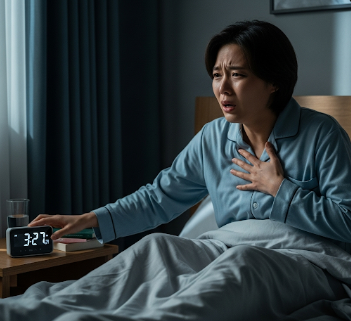
Overview Paroxysmal Nocturnal Dyspnea (PND) is a medical condition characterized by sudden episodes of severe shortness of breath that generally occur at night, waking a person from sleep. These episodes can be alarming and are often associated with underlying heart or lung problems. PND is distinct from general insomnia or nighttime discomfort, as it specifically […]
Paresthesia in Korea

Overview Paresthesia is a medical term for abnormal sensations in the skin, often described as tingling, prickling, burning, numbness, or “pins and needles.” It commonly affects the hands, feet, arms, or legs, but can occur anywhere on the body. Paresthesia is usually a symptom of an underlying condition, rather than a disease itself, and can […]
Paraplegia in Korea
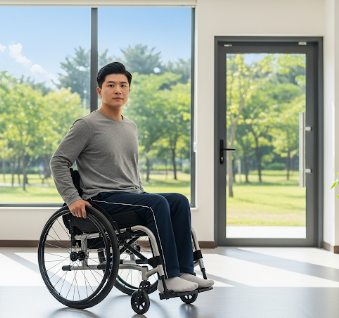
Overview Paraplegia is a medical condition characterized by partial or complete paralysis of the lower half of the body, typically affecting both legs and sometimes part of the lower trunk. It usually results from spinal cord injury, congenital conditions, or neurological disorders. Paraplegia can impact mobility, bladder and bowel control, sexual function, and daily living […]
Paranoia in Korea

Overview Paranoia is a mental health condition characterized by persistent, irrational mistrust or suspicion of others. Individuals experiencing paranoia often believe that others intend to harm, deceive, or exploit them, even in the absence of evidence. Paranoia can vary from mild, occasional feelings of mistrust to severe, chronic delusions that interfere with daily life, relationships, […]
Palinopsia in Korea

Overview Palinopsia is a visual phenomenon where a person continues to see an image even after the original object has been removed from view. This condition can be brief or persistent and may significantly interfere with daily activities, reading, and visual focus. Palinopsia is considered a neurological symptom, often linked to brain or visual system […]
Ovary Pain in Korea

Overview Ovary pain, also known as ovarian pain or ovarian discomfort, refers to pain or discomfort in the lower abdomen or pelvic region associated with the ovaries. It can be sharp, dull, or intermittent and may occur on one or both sides. Ovary pain is a common gynecological symptom experienced by women of reproductive age, […]
Oscillopsia in Korea

Overview Oscillopsia is a neurological condition in which a person perceives that their visual environment is moving or bouncing, even though objects are stationary. This can cause difficulty focusing, imbalance, dizziness, and motion sensitivity, significantly affecting daily activities and quality of life. In Korea, oscillopsia is evaluated by neurologists, ophthalmologists, and vestibular specialists, who focus […]
Orthopnea in Korea
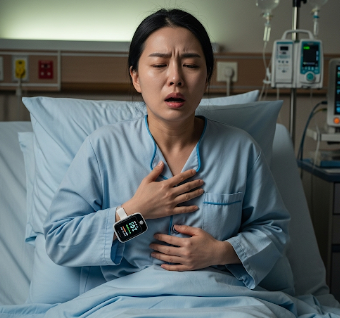
Overview Orthopnea is a medical symptom characterized by difficulty breathing when lying flat, often relieved by sitting or standing upright. It is commonly associated with heart and lung conditions, particularly heart failure. Orthopnea can significantly affect sleep quality, daily activities, and overall quality of life. In Korea, patients with orthopnea are evaluated by cardiologists and […]