
Tailbone (coccyx) pain in Korea

➤ Overview Tailbone pain, medically known as coccydynia, refers to discomfort or aching at the bottom of the spine, just above the buttocks. This pain can range from mild soreness to severe, debilitating discomfort, affecting sitting, standing, and daily activities. Tailbone pain is often mechanical, traumatic, or inflammatory in origin and may persist for weeks […]
Tunnel Vision (Peripheral Vision Loss) in Korea

➤ Overview Tunnel vision, medically known as peripheral vision loss, is a condition where a person loses the ability to see objects outside their central field of vision, creating a sensation as if looking through a narrow tunnel. This condition can range from mild reduction in side vision to complete peripheral blindness, significantly impacting daily […]
Tremor in Korea

➤ Overview A tremor is an involuntary, rhythmic shaking of a part of the body, commonly affecting the hands, arms, head, voice, or legs. Tremors can vary in frequency, amplitude, and triggers, ranging from mild and occasional to severe and disabling. They may occur as an isolated neurological issue or as a symptom of underlying […]
Translucent Teeth in Korea
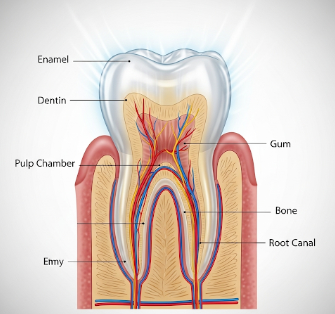
➤ Overview Translucent teeth refer to teeth that appear partially see-through or glass-like, often at the edges. While some degree of translucency is normal, excessive translucency may indicate enamel thinning, enamel erosion, or other dental conditions. This can affect aesthetic appearance, tooth strength, and overall oral health. In South Korea, dentists routinely evaluate translucent teeth […]
Transaminitis in Korea
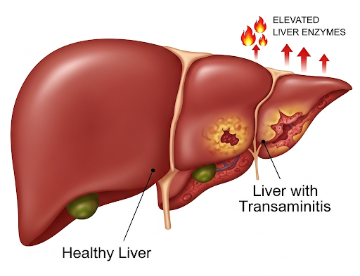
➤ Overview Transaminitis refers to an elevation of liver enzymes, specifically alanine aminotransferase (ALT) and aspartate aminotransferase (AST), which indicates liver inflammation or injury. It is not a disease itself but a biochemical marker suggesting possible underlying liver conditions. Transaminitis can be mild, moderate, or severe, and may result from hepatitis, fatty liver disease, medications, […]
Tooth Discoloration in Korea
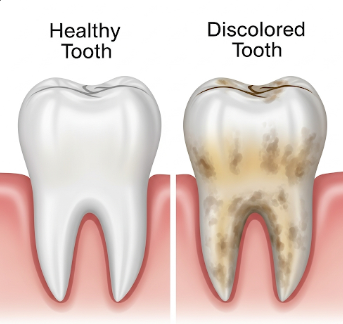
➤ Overview Tooth discoloration refers to a change in the natural color of teeth, ranging from yellowing to dark brown or black stains. While occasional discoloration is often cosmetic, persistent or sudden changes may indicate underlying dental or systemic health issues. Tooth color can be influenced by aging, diet, oral hygiene habits, medications, and trauma. […]
Tongue Color in Korea

➤ Overview Tongue color is an important indicator of overall health and can reveal clues about nutrition, hydration, oral hygiene, or systemic diseases. Variations in color, coating, or texture may signal minor oral issues or serious medical conditions, including infections, liver or kidney problems, and blood disorders. In South Korea, assessment of tongue color is […]
Tinnitus in Korea

➤ Overview Tinnitus is the perception of ringing, buzzing, hissing, or other noises in the ears or head without an external sound source. It is a common condition that can be temporary or chronic, mild or severe, and may affect one ear or both. While tinnitus itself is usually not life-threatening, it can significantly impact […]
Thunderclap Headaches in Korea

➤ Overview Thunderclap headache is a severe headache that reaches maximal intensity within seconds to minutes, often described as the worst headache of a person’s life. Unlike common migraines or tension headaches, thunderclap headaches are sudden, intense, and potentially life-threatening, frequently signaling serious underlying conditions such as bleeding in the brain, stroke, or vascular abnormalities. […]
Third-Degree Burn in Korea
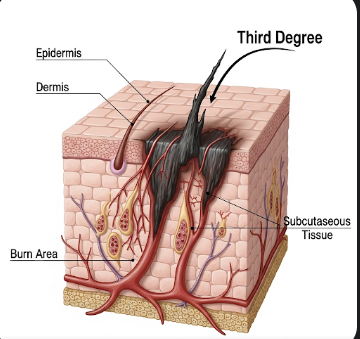
➤ Overview A third-degree burn, also known as a full-thickness burn, is a severe burn injury that destroys all layers of the skin, including the epidermis, dermis, and often underlying tissues such as fat, muscles, and sometimes bones. Unlike minor burns, third-degree burns may appear white, charred, leathery, or blackened and are often painless at […]