
Teenage anxiety in Korea

➤ Overview Teenage anxiety refers to excessive worry, nervousness, or fear experienced during adolescence, a period of significant emotional, social, and physical changes. Anxiety in teenagers can range from mild, occasional stress to chronic, debilitating conditions that affect daily life, academic performance, and relationships. In South Korea, teenage anxiety is increasingly recognized as a critical […]
Travel sickness in Korea

➤ Overview Travel sickness, also known as motion sickness, is a common condition caused by discrepancy between sensory signals received by the brain from the inner ear, eyes, and muscles during motion. It often occurs during car rides, boat trips, airplane flights, or amusement park rides. In South Korea, travel sickness is evaluated by general […]
Tachycardia in Korea

➤ Overview Tachycardia refers to an abnormally fast heart rate, usually defined as more than 100 beats per minute in adults. It can occur as a normal physiological response to exercise, stress, or excitement, but it may also indicate underlying heart conditions or systemic illness. In South Korea, tachycardia evaluation is conducted by cardiologists and […]
Twitching eyes and muscles in Korea

➤ Overview Twitching eyes and muscles, also known as myokymia or fasciculations, refers to involuntary, repetitive muscle contractions that can affect the eyelids, face, arms, legs, or other muscles. While often benign and temporary, persistent or severe twitching may indicate neurological, metabolic, or systemic disorders. In South Korea, evaluation is conducted by neurologists, ophthalmologists, and […]
Tongue (sore or white) in Korea

➤ Overview A sore or white tongue refers to discomfort, pain, or abnormal coloration of the tongue, often accompanied by a white coating or patches. This condition can arise from oral infections, inflammation, nutritional deficiencies, or systemic health issues. In South Korea, evaluation is performed by dentists, ENT specialists, and general physicians. Diagnostic tests may […]
Throat (sore) in Korea

➤ Overview A sore throat refers to pain, scratchiness, or irritation in the throat, which can make swallowing, talking, or breathing uncomfortable. It is one of the most common symptoms of upper respiratory conditions and may be caused by viral infections, bacterial infections, allergies, or environmental factors. In South Korea, sore throat evaluation is performed […]
Thirst (excessive) in Korea

➤ Overview Excessive thirst, medically known as polydipsia, is a condition in which an individual feels the need to drink an abnormally large amount of fluids. While occasional thirst is normal, persistent or unexplained excessive thirst may indicate underlying medical conditions, ranging from dehydration and diabetes to kidney disorders or hormonal imbalances. In South Korea, […]
Testicle pain in Korea
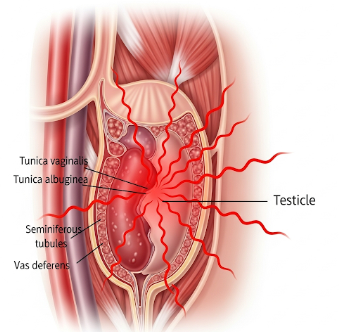
➤ Overview Testicle pain, also known as orchialgia, refers to discomfort or pain in one or both testicles. This pain can range from mild and intermittent to severe and acute, affecting daily activities, mobility, and overall quality of life. Testicle pain may be localized to the testes or radiate to the groin, lower abdomen, or […]
Testicle lumps and swellings in Korea
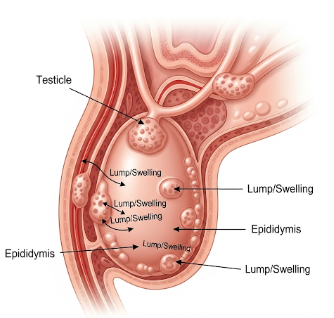
➤ Overview Testicle lumps and swellings refer to abnormal growths or enlargement of one or both testicles, which can range from benign cysts to serious conditions like testicular cancer. Men may notice pain, heaviness, or asymmetry in the scrotum. Early recognition is critical, as timely diagnosis can prevent complications and improve treatment outcomes. In South […]
Tapeworm in Korea
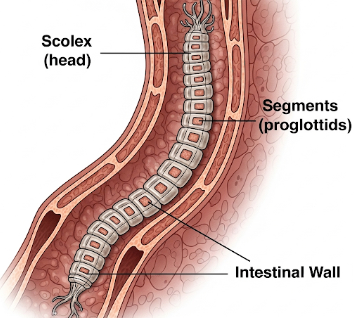
➤ Overview A tapeworm is a type of parasitic flatworm that can live in the intestines of humans and animals. Infection occurs when a person ingests tapeworm eggs or larvae, usually through contaminated food, water, or undercooked meat. Tapeworm infections can be asymptomatic or cause gastrointestinal, nutritional, and systemic issues. In South Korea, tapeworm infections […]