
Tetany in Korea

➤ Overview Tetany is a medical condition characterized by involuntary muscle contractions, spasms, and heightened neuromuscular excitability. These spasms most often affect the hands, feet, and facial muscles, but can involve other muscle groups. Tetany is a symptom rather than a disease itself and often signals an underlying metabolic or electrolyte imbalance. In South Korea, […]
Testicular Pain in Korea
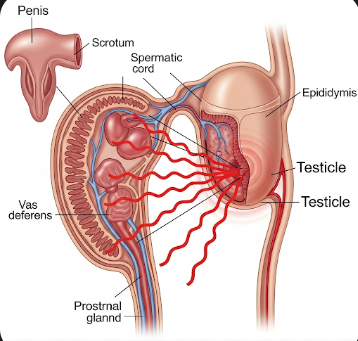
➤ Overview Testicular pain, also known as orchialgia, refers to discomfort or pain in one or both testicles. The pain can be acute or chronic, mild or severe, and may occur suddenly or gradually. It is not always a primary testicular issue, as pain may radiate from the abdomen, groin, or lower back. In South […]
Terry’s Nails in Korea

➤ Overview Terry’s Nails is a nail condition characterized by white or pale discoloration of the nail beds with a narrow band of pink or red at the tip. It is often a sign of systemic illness rather than a primary nail problem. The condition is named after Dr. Richard Terry, who first described it […]
Terminal lucidity in Korea

➤ Overview Terminal lucidity is a fascinating and rare phenomenon observed in patients who are near the end of life, characterized by a sudden return of mental clarity, coherent speech, or purposeful behavior after a period of confusion, delirium, or unresponsiveness. This temporary clarity may last from minutes to hours and can provide a meaningful […]
Terminal Agitation in Korea

➤ Overview Terminal agitation refers to a state of restlessness, confusion, or agitation that occurs in patients nearing the end of life, often during the final days or hours. It is a common symptom in palliative care and hospice settings and can be distressing for both the patient and their caregivers. In South Korea, terminal […]
Tenesmus in Korea
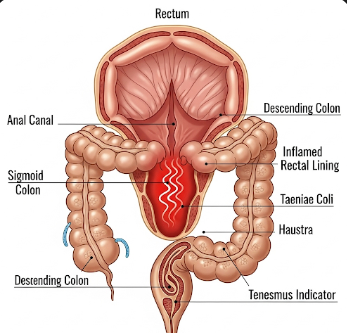
➤ Overview Tenesmus is a medical symptom characterized by a persistent feeling of incomplete bowel evacuation, often accompanied by straining, discomfort, or the urge to defecate without producing stool. It is not a disease itself but a sign of underlying gastrointestinal issues. In South Korea, tenesmus is evaluated by gastroenterologists and colorectal specialists using advanced […]
Tachypnea in Korea

➤ Overview Tachypnea is a medical term used to describe abnormally rapid breathing. It is a common symptom in both children and adults and can indicate underlying respiratory, cardiac, metabolic, or systemic conditions. Rapid breathing is often the body’s attempt to increase oxygen intake or remove excess carbon dioxide. In South Korea, tachypnea is assessed […]
Separation anxiety in Korea

➤ Overview Separation anxiety is a psychological condition where an individual experiences excessive fear or distress when separated from a person or place to which they are emotionally attached. While it is common in children, it can also affect adolescents and adults. In South Korea, separation anxiety is recognized as a treatable mental health condition, […]
Signs of mental health issues in Korea

➤ Overview Mental health issues refer to a wide range of cognitive, emotional, and behavioral disorders that affect a person’s ability to function in daily life. Early recognition of signs of mental health problems is critical for timely intervention, better prognosis, and improved quality of life. In South Korea, mental health awareness has increased, with […]
Swelling in groin in Korea
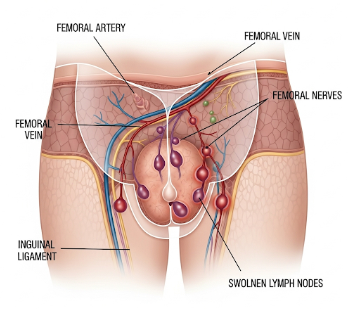
➤ Overview Swelling in the groin, medically referred to as inguinal swelling, occurs when the soft tissues in the groin area become enlarged or protrude. This can affect one or both sides and may be caused by lymph node enlargement, hernias, infections, or other medical conditions. In South Korea, groin swelling is evaluated by general […]