
Pacemaker implantation in Korea
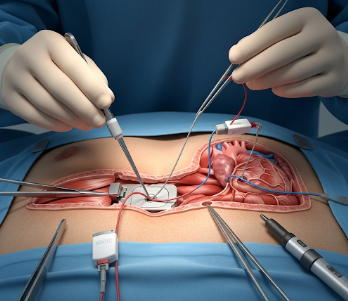
What it is Pacemaker implantation is a surgical procedure in which a small electronic device, called a pacemaker, is placed under the skin—usually near the collarbone—to regulate abnormal heart rhythms. The device sends electrical impulses to the heart to maintain a normal heartbeat, especially in cases of bradycardia (slow heart rate) or heart block. ➡ […]
Oxygen therapy in Korea
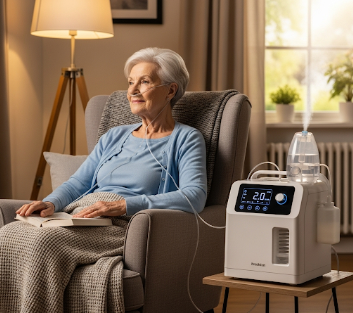
What it is Oxygen therapy, often referred to as home oxygen therapy (HOT) when administered outside of a hospital setting, is a medical treatment that provides additional oxygen to patients whose blood oxygen levels are insufficient. Adequate oxygen is essential for the body’s tissues and organs to function properly. Low oxygen levels, or hypoxemia, can […]
Osteopathy in Korea

What it is Osteopathy is a holistic approach to healthcare that focuses on the musculoskeletal system and its relationship with overall health. Osteopaths use manual techniques, including stretching, massage, and joint manipulation, to improve mobility, relieve pain, and support the body’s natural healing mechanisms. Key points: Osteopathy is widely recognized for enhancing mobility, reducing pain, […]
Orthodontics in Korea
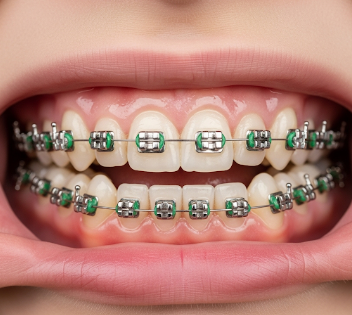
What it is Orthodontics is a specialized branch of dentistry that focuses on the diagnosis, prevention, and correction of teeth and jaw misalignment. It addresses issues such as crooked teeth, malocclusion (bad bite), overcrowding, and jaw irregularities. Key points: Orthodontics not only enhances smiles and appearance but also prevents long-term dental complications like tooth decay, […]
Occupational therapy in Korea
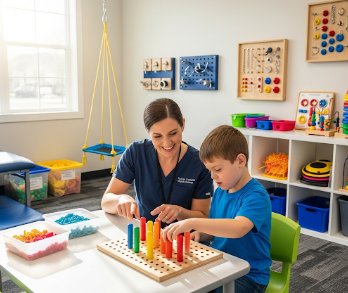
What it is Occupational therapy (OT) is a rehabilitative health service aimed at helping individuals perform daily activities and achieve independence after illness, injury, or disability. Unlike physical therapy, which focuses primarily on movement and strength, occupational therapy focuses on functional abilities, daily tasks, and improving quality of life. Key points: Occupational therapy is essential […]
Newborn physical examination in Korea

What it is A newborn physical examination is a comprehensive health assessment conducted shortly after birth to evaluate a baby’s overall health, identify congenital conditions, and detect any immediate medical concerns. This examination is an essential part of routine neonatal care in Korea and worldwide. Key points: Newborn physical examination is a critical step in […]
Newborn hearing screening in Korea
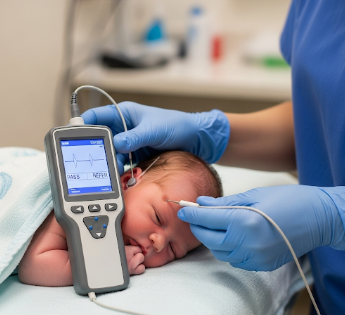
What it is Newborn hearing screening is a non-invasive, painless test performed shortly after birth to detect hearing impairment or loss in infants. Hearing is a critical sense for speech, language development, and cognitive growth, and early detection of hearing issues allows timely intervention, preventing long-term developmental delays. Key points: Hearing screening in newborns is […]
Newborn blood spot test in Korea
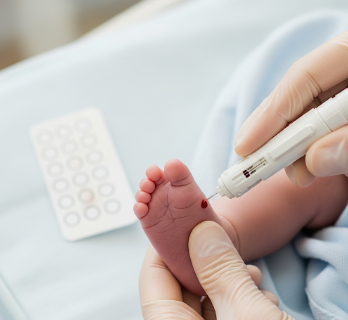
What it is The Newborn Blood Spot Test (also called the heel-prick test) is a screening procedure performed on newborns to detect rare but serious conditions early. It involves collecting a few drops of blood from the baby’s heel and analyzing them for genetic, metabolic, or hormonal disorders. Key points: Why it’s done The test […]
Natural family planning in Korea

What it is Natural Family Planning (NFP) is a method of birth control that does not use drugs, devices, or surgery. Instead, it involves tracking a woman’s fertility signs to determine fertile and infertile periods in her menstrual cycle. Key points: Why it’s done Natural Family Planning is chosen for: Note: NFP is most effective […]
MRI scan in Korea
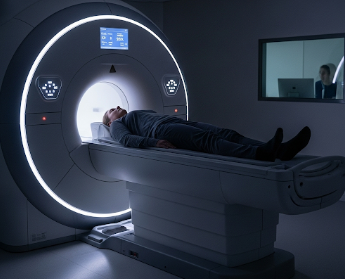
What it is An MRI (Magnetic Resonance Imaging) scan is a non-invasive imaging technique that uses strong magnetic fields and radio waves to create detailed images of internal organs, tissues, and structures. Key points: Why it’s done MRI scans are performed to: Note: MRI is especially valuable for soft tissue imaging, where other modalities may […]