
Potassium test in Korea
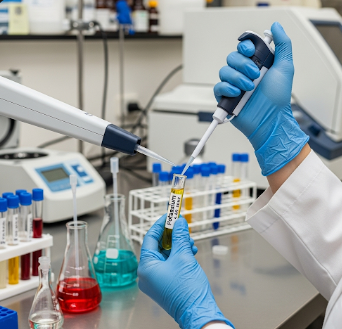
What it is A potassium test is a blood test that measures the level of potassium in your bloodstream. Potassium is an essential electrolyte that helps regulate heart function, muscle contractions, nerve signals, and fluid balance in the body. ➡ Key points about potassium: 💡 Important facts: Why it’s done A potassium test is performed […]
Post-mortem in Korea

What it is A post-mortem, also known as an autopsy, is a medical examination of a deceased person to determine the cause of death, disease processes, or injury mechanisms. Post-mortems are performed by forensic pathologists or specialized medical examiners and can provide critical information for medical, legal, or research purposes. ➡ Key objectives of post-mortem: […]
Pneumococcal vaccine in Korea
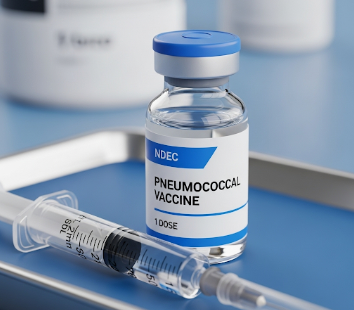
What it is The pneumococcal vaccine is a preventive immunization designed to protect against infections caused by Streptococcus pneumoniae bacteria. These bacteria can lead to serious illnesses such as: ➡ Common infections prevented by the vaccine: 💡 Key points: Why it’s done Pneumococcal vaccination is critical to prevent severe bacterial infections, especially in vulnerable groups. […]
Plastic surgery in Korea
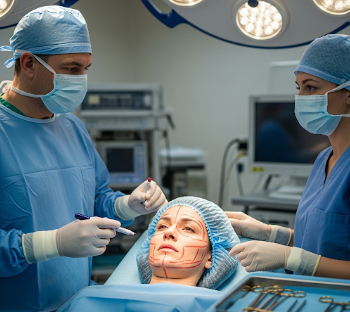
What it is Plastic surgery is a medical specialty focused on the reconstruction, restoration, or enhancement of the body’s appearance and function. It includes both reconstructive surgery, which repairs defects caused by injury, disease, or congenital conditions, and cosmetic (aesthetic) surgery, which improves or alters physical appearance according to patient preference. ➡ Key objectives of […]
Physiotherapy in Korea

What it is Physiotherapy, also called physical therapy, is a healthcare profession focused on restoring, maintaining, and maximizing physical strength, function, and mobility. It involves manual therapy, exercises, education, and rehabilitation techniques to improve overall musculoskeletal, neurological, and cardiovascular health. ➡ Key objectives of physiotherapy: 💡 Important points: Why it’s done Physiotherapy is prescribed for […]
Photodynamic therapy (PDT) in Korea
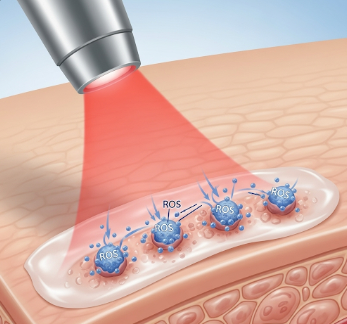
What it is Photodynamic Therapy (PDT) is a minimally invasive medical treatment that uses a combination of light-sensitive drugs (photosensitizers) and a specific wavelength of light to destroy abnormal or diseased cells. PDT is primarily used to treat certain cancers, precancerous conditions, and skin disorders. ➡ How it works: 💡 Key points: Why it’s done […]
Phosphate test in Korea

What it is A phosphate test is a blood test that measures the level of phosphate (inorganic phosphorus) in the body. Phosphate is an essential mineral that plays a critical role in: ➡ Key functions: 💡 Importance of testing: In Korea, phosphate tests are widely available in hospitals, clinics, and diagnostic laboratories, with rapid results […]
PET scan in Korea
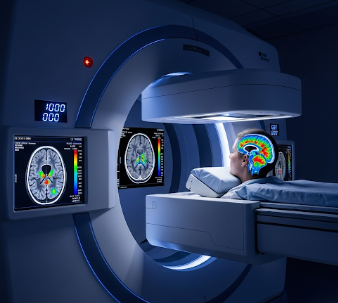
What it is A PET scan (Positron Emission Tomography) is an advanced medical imaging technique that provides detailed information about the body’s metabolic activity. Unlike X-rays or CT scans, which show structural details, a PET scan detects chemical and functional changes in tissues, helping doctors diagnose, stage, and monitor diseases. ➡ How it works: 💡 […]
Peak flow test in Korea

What it is A peak flow test is a simple, non-invasive procedure used to measure how well air moves out of the lungs, specifically assessing the peak expiratory flow (PEF). This measurement helps monitor lung function, particularly in people with asthma or other respiratory conditions. ➡ Purpose of the test: 💡 Key points: In Korea, […]
Palliative care in Korea

What it is Palliative care, also called end-of-life care, is specialized medical care focused on providing relief from the symptoms, pain, and stress of serious illnesses. The goal is to improve quality of life for patients and support their families, regardless of age or stage of illness. ➡ Key aspects of palliative care: 💡 Important […]