
Root canal treatment in Korea
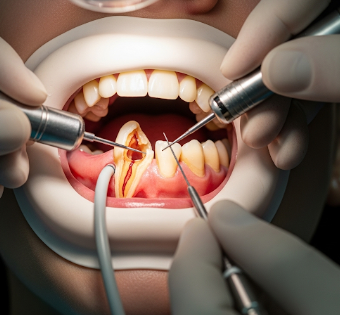
What it is Root canal treatment (endodontic therapy) is a dental procedure used to treat infection inside a tooth. The infection occurs in the pulp (soft tissue inside the tooth containing nerves and blood vessels) due to deep decay, repeated dental procedures, cracks, or trauma. ➡ Key facts: 💡 In Korea, dental care is known […]
Respiratory syncytial virus (RSV) vaccine in Korea
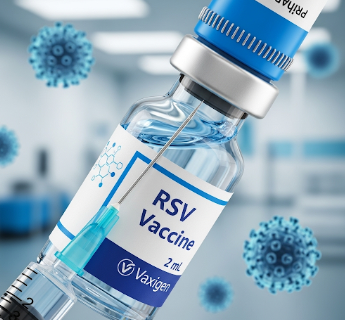
What it is The Respiratory Syncytial Virus (RSV) vaccine is a preventive immunization designed to protect against RSV infections, which are a major cause of respiratory illness in infants, young children, older adults, and people with weakened immune systems. RSV is highly contagious and can lead to bronchiolitis, pneumonia, and serious respiratory complications, particularly in […]
Red blood cell count in Korea
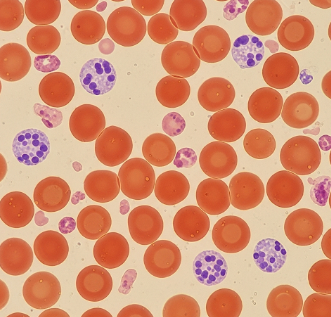
What it is A red blood cell count (RBC count) is a common blood test that measures the number of red blood cells (erythrocytes) in your blood. RBCs are responsible for carrying oxygen from the lungs to the body’s tissues and returning carbon dioxide back to the lungs for exhalation. ➡ Key points: 💡 In […]
Rectal examination in Korea
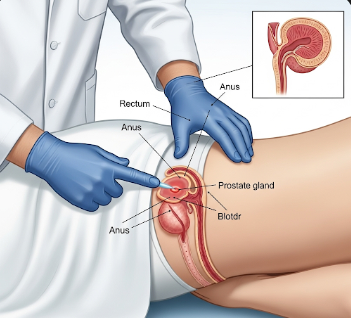
What it is A rectal examination (digital rectal exam – DRE) is a simple medical test where a doctor or healthcare professional gently inserts a lubricated, gloved finger into the rectum to check for abnormalities. It helps detect problems in the lower digestive tract, prostate (in men), reproductive organs (in women), and rectal walls. ➡ […]
Radiotherapy in Korea
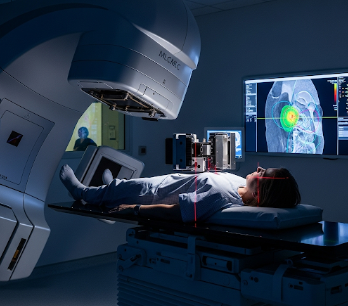
What it is Radiotherapy (also called radiation therapy) is a medical treatment that uses high-energy radiation (such as X-rays, gamma rays, or proton beams) to destroy or control cancer cells. It can be used alone or in combination with surgery, chemotherapy, immunotherapy, or targeted therapy. ➡ Key points about radiotherapy: 💡 Important fact: Korea is […]
Psychiatry in Korea

What it is Psychiatry is a branch of medicine focused on the diagnosis, treatment, and prevention of mental, emotional, and behavioral disorders. Psychiatrists are medical doctors who can provide therapy, prescribe medications, and manage complex psychiatric conditions. ➡ Key points about psychiatry: 💡 Important facts: Why it’s done Psychiatry is sought to diagnose, treat, and […]
PSA test in Korea
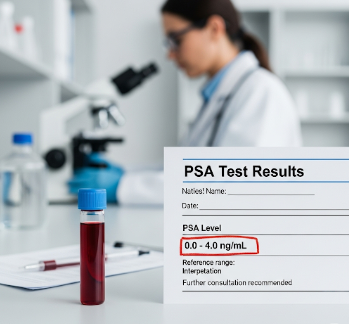
What it is The PSA test (Prostate-Specific Antigen test) is a blood test used to measure the level of PSA, a protein produced by the prostate gland. PSA is normally present in the blood at low levels, but elevated levels may indicate prostate conditions, including prostate cancer, benign prostatic hyperplasia (BPH), or prostatitis. ➡ Key […]
Progestogen-only pill in Korea
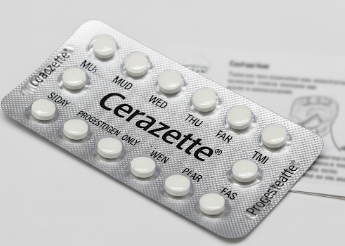
What it is The progestogen-only pill (POP), also known as the mini-pill, is a contraceptive pill containing only progestogen (a synthetic form of the hormone progesterone). Unlike combined oral contraceptives, it does not contain estrogen. ➡ Key points about POP: 💡 Important facts: Why it’s done The POP is used primarily for contraception, but it […]
Probiotics in Korea

What it is Probiotics are live microorganisms, primarily bacteria or yeast, that provide health benefits when consumed in adequate amounts. They are commonly referred to as “good bacteria” because they help maintain a healthy balance of gut microbiota, which is essential for digestion, immunity, and overall well-being. ➡ Key points about probiotics: 💡 Important facts: […]
Pre-school booster vaccine in Korea

What it is A pre-school booster vaccine is a follow-up immunization given to children around 4–6 years old to reinforce protection against diseases they were initially vaccinated against in infancy. Boosters help maintain immunity and ensure continued protection as the child grows. ➡ Key vaccines commonly included in pre-school boosters: 💡 Important points: Why it’s […]