
Wernicke-Korsakoff Syndrome in Korea

Overview Wernicke-Korsakoff Syndrome (WKS) is a serious brain disorder caused by thiamine (vitamin B1) deficiency, most commonly seen in individuals with chronic alcohol abuse. It is a combination of two related conditions: Wernicke’s encephalopathy, an acute neurological emergency, and Korsakoff’s psychosis, a chronic memory disorder. Prompt treatment with thiamine can reverse early symptoms, but untreated […]
Werner Syndrome in Korea

Overview Werner Syndrome is a rare, inherited disorder characterized by premature aging and age-related diseases, typically beginning in adolescence or early adulthood. Often called “adult progeria,” this condition causes individuals to appear significantly older than their actual age and develop conditions like cataracts, diabetes, and cardiovascular disease much earlier than normal. Although rare, early diagnosis […]
Wells’ Syndrome in Korea
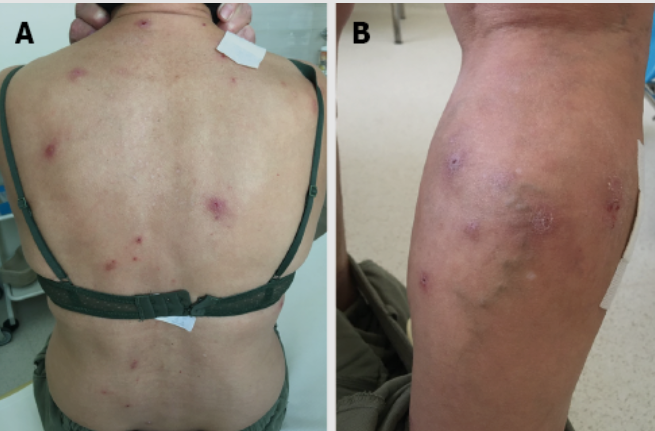
Overview Wells’ Syndrome, also known as eosinophilic cellulitis, is a rare inflammatory skin condition characterized by red, swollen, and itchy skin lesions that can resemble infections such as cellulitis. Unlike bacterial cellulitis, Wells’ Syndrome is not caused by an infection but is thought to be linked to an overactive immune response involving eosinophils, a type […]
Weeping Eczema in Korea

Overview Weeping eczema is a severe and inflamed form of eczema where the skin becomes so irritated and damaged that it oozes clear or yellow fluid. This fluid is usually a sign of inflammation or infection. Also known as exudative eczema, this condition can be painful and distressing, often requiring medical treatment to control flare-ups […]
Weber Syndrome in Korea

Overview Weber Syndrome is a rare neurological condition resulting from a stroke or lesion in the midbrain, specifically affecting the oculomotor nerve and the corticospinal tract. It is considered one of the brainstem stroke syndromes and is typically caused by an infarction in the territory of the posterior cerebral artery. The condition leads to a […]
Webbed Penis (Penoscrotal Webbing) in Korea

Overview Webbed penis, medically known as penoscrotal webbing, is a congenital or acquired condition where the skin of the scrotum extends abnormally along the underside of the penis. This web-like skin connection can obscure the natural shape and length of the penis, potentially causing functional, cosmetic, or psychological concerns. Surgical correction is often performed for […]
Weaver Syndrome in Korea
Overview Weaver Syndrome is a rare genetic disorder characterized by rapid growth beginning before birth, leading to tall stature and advanced bone age. It also affects facial features, skeletal structure, and intellectual development. Though variable in severity, early diagnosis and supportive therapies can help manage symptoms and improve quality of life. What is Weaver Syndrome? […]
Watermelon Stomach (Gastric Antral Vascular Ectasis) in Korea

Overview Watermelon Stomach, medically known as Gastric Antral Vascular Ectasia (GAVE), is a rare condition where the stomach lining becomes red and striped due to dilated blood vessels, resembling the appearance of a watermelon. This disorder is a significant cause of chronic gastrointestinal bleeding and iron-deficiency anemia. Early diagnosis and treatment can prevent complications and […]
Waterhouse-Friderichsen Syndrome in Korea

Overview Waterhouse-Friderichsen Syndrome (WFS) is a rare but rapidly fatal condition characterized by bleeding into the adrenal glands, leading to acute adrenal gland failure. It most commonly occurs as a complication of severe bacterial infections, especially meningococcal septicemia. Without immediate medical intervention, WFS can result in shock, multi-organ failure, and death within hours. What is […]
Water Intoxication in Korea
Overview Water intoxication, also known as water poisoning or hyponatremia, is a rare but potentially life-threatening condition caused by consuming an excessive amount of water in a short period. This dilutes the sodium in the bloodstream, disrupting the body’s electrolyte balance and causing cells to swell—especially dangerous when it affects brain cells. Early recognition and […]