
Warts (genital) In Korea
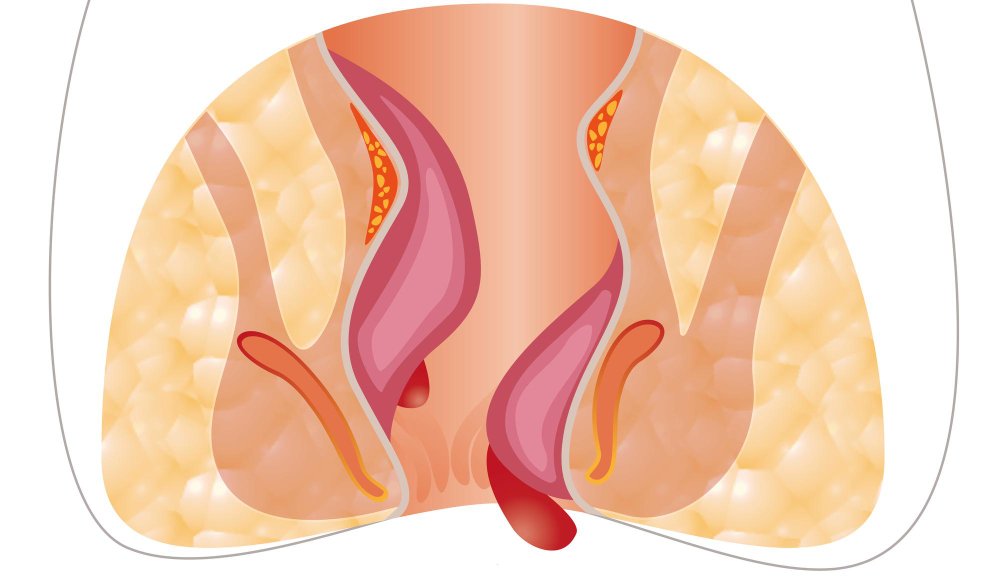
Overview Genital warts are a common sexually transmitted infection (STI) caused by certain strains of the human papillomavirus (HPV). They appear as small growths or bumps in the genital or anal area and can affect both men and women. While typically benign, genital warts are highly contagious and can cause emotional distress and physical discomfort. […]
Warts in Korea

Overview Warts are small, non-cancerous skin growths caused by the human papillomavirus (HPV). They are generally harmless but can be unsightly, contagious, and sometimes painful depending on their location. Warts are common across all age groups, especially in children and people with weakened immune systems. They can appear on various parts of the body, including […]
Wandering Spleen in Korea
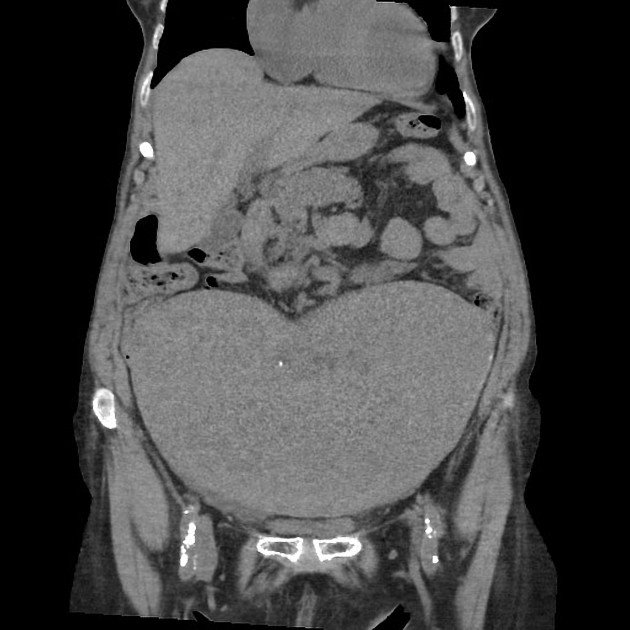
Overview Wandering spleen is a rare medical condition where the spleen is not located in its usual position in the upper left abdomen due to laxity or absence of the ligaments that normally hold it in place. This condition can lead to serious complications, including torsion (twisting) of the spleen’s blood vessels, which may result […]
Wallenberg Syndrome in Korea

Overview Wallenberg Syndrome, also known as lateral medullary syndrome, is a neurological condition caused by a stroke in the lateral part of the medulla oblongata in the brainstem. It leads to a variety of sensory and motor impairments on one side of the body and face. The condition is often sudden and requires immediate medical […]
Walker Warburg Syndrome in Korea

Overview Walker-Warburg Syndrome (WWS) is a rare and severe congenital disorder that affects brain and muscle development. It is classified as a type of congenital muscular dystrophy and is often diagnosed at birth due to visible physical abnormalities and neurological impairments. WWS is inherited in an autosomal recessive pattern and is typically fatal in infancy […]
Waldenstrom Macroglobulinemia in Korea

Overview Waldenström Macroglobulinemia (WM) is a rare type of non-Hodgkin lymphoma that affects the blood and bone marrow. It is characterized by the excessive production of abnormal white blood cells that secrete large amounts of a protein known as immunoglobulin M (IgM). This can lead to various complications, including impaired blood flow and immune dysfunction. […]
Waardenburg Syndrome in Korea

Overview Waardenburg Syndrome is a rare genetic condition that affects the pigmentation of the skin, hair, and eyes, and may also cause hearing loss. It is named after Dutch ophthalmologist Petrus Johannes Waardenburg, who first described the syndrome in the 1950s. The disorder varies in its severity and symptoms, but early diagnosis and appropriate management […]
Abdominal Aortic Aneurysm in korea
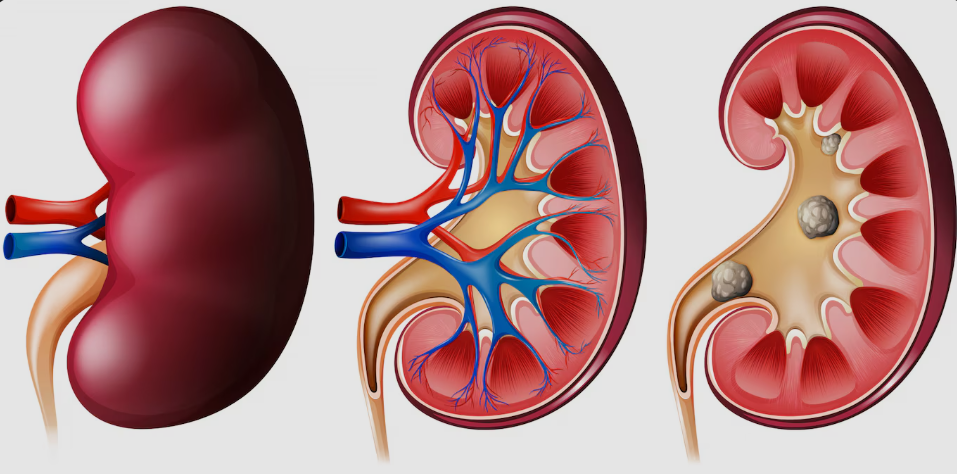
Overview An Abdominal Aortic Aneurysm (AAA) is a potentially serious condition in which the lower part of the aorta — the large blood vessel that delivers blood from the heart to the rest of the body — becomes enlarged or bulges outward. This occurs in the abdomen, below the chest. If the aneurysm grows too […]
Abdominal Migraine in korea

Overview Abdominal migraine is a neurological condition that primarily affects children but can occasionally occur in adults. Unlike traditional migraines that cause head pain, abdominal migraines lead to recurrent episodes of mid-abdominal pain. These episodes are often accompanied by nausea, vomiting, and a lack of appetite. The condition can significantly impact daily life but is […]
Abdominal Adhesions in Korea
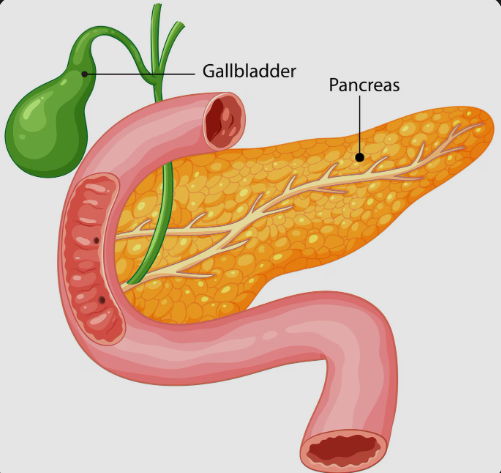
Overview Abdominal adhesions are bands of scar-like tissue that form between abdominal organs and tissues, causing them to stick together abnormally. Under normal conditions, abdominal organs move freely within the cavity. However, adhesions can restrict this movement, leading to complications such as chronic pain, digestive problems, and intestinal blockages. While many adhesions are harmless and […]