
Systemic inflammatory dermatosis in Korea

Overview Systemic inflammatory dermatosis refers to a group of skin disorders characterized by widespread inflammation that affects not only the skin but may also involve internal organs and systems. These conditions are often autoimmune in nature and can cause chronic skin symptoms along with systemic complications. Early diagnosis and treatment are essential to control disease […]
Systemic poisoning in Korea

Overview Systemic poisoning refers to the harmful effects caused by toxic substances that enter the bloodstream and affect multiple organs and systems throughout the body. This condition can arise from exposure to chemicals, drugs, heavy metals, or biological toxins. Prompt diagnosis and treatment are critical to prevent severe complications and death. What is Systemic Poisoning? […]
Syncope vasovagal in Korea

Overview Syncope vasovagal, also known as vasovagal syncope or fainting, is the most common type of fainting caused by a sudden drop in heart rate and blood pressure leading to reduced blood flow to the brain. This transient loss of consciousness often occurs in response to triggers such as stress, pain, or prolonged standing. While […]
Synovial effusion in Korea

Overview Synovial effusion, commonly known as joint effusion, is the abnormal accumulation of excess fluid within the synovial cavity of a joint. This condition often indicates underlying joint inflammation, injury, or infection. It can cause joint swelling, pain, stiffness, and reduced mobility. Prompt diagnosis and management are essential to prevent joint damage and restore function. […]
Synaptic transmission disorder in Korea

Overview Synaptic transmission disorder refers to a group of neurological conditions that affect the communication between nerve cells (neurons) at the synapse. This disruption can impair the brain’s ability to process information, leading to problems with movement, cognition, sensation, or other neurological functions. These disorders can be congenital (present from birth) or acquired later in […]
Symptom-based asthma in Korea

Overview Symptom-based asthma is a type of asthma diagnosis and management approach that focuses primarily on a patient’s clinical symptoms rather than relying solely on objective lung function tests. This method is particularly useful in cases where symptoms are prominent but test results are inconclusive, or in primary care settings where advanced diagnostic tools may […]
Symptomatic hypercalcemia in Korea
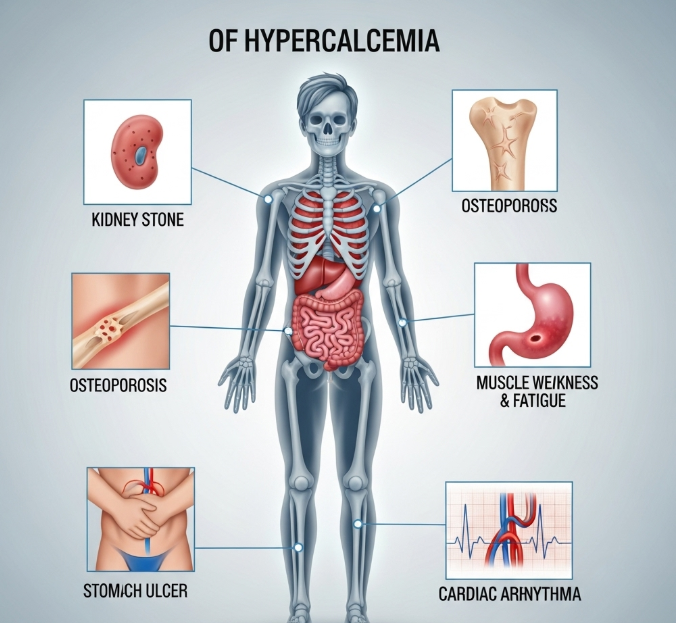
Overview Symptomatic hypercalcemia is a condition where high levels of calcium in the blood cause noticeable symptoms and require prompt medical attention. Calcium is essential for bone health, nerve transmission, muscle contraction, and other body functions, but too much calcium can disrupt these processes. Severe cases can be life-threatening if not treated quickly. What is […]
Systemic mercury poisoning in Korea

Overview Systemic mercury poisoning occurs when mercury—a toxic heavy metal—enters the body in significant amounts, affecting multiple organ systems. Mercury exposure can happen through inhalation, ingestion, or skin contact. Because mercury accumulates in the body and disrupts vital biochemical processes, poisoning can cause severe and long-term damage to the nervous, digestive, and immune systems. Early […]
Systemic sclerosis-associated interstitial lung disease in Korea
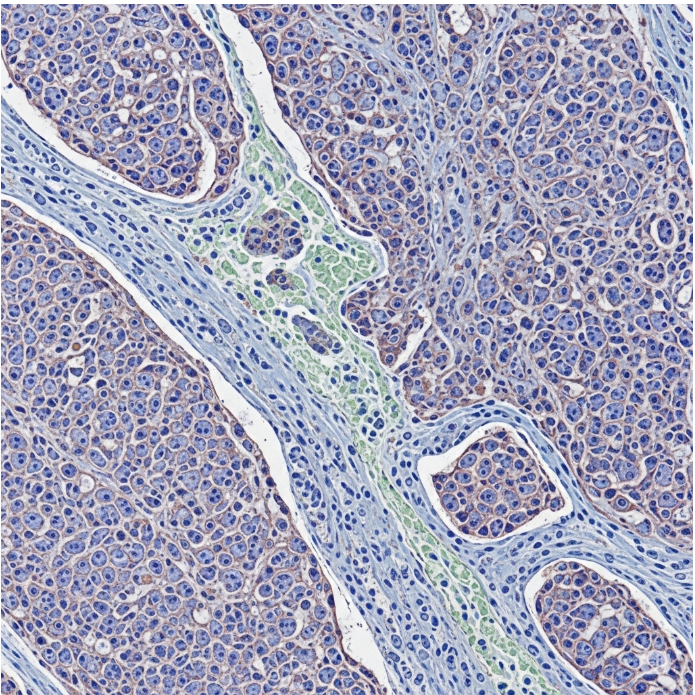
Overview Systemic sclerosis-associated interstitial lung disease (SSc-ILD) is a serious complication of systemic sclerosis, a chronic autoimmune disease. It causes scarring and inflammation in the lungs, leading to progressive breathing difficulties and reduced oxygen exchange. Early diagnosis and treatment are critical to slow disease progression and improve quality of life. What is Systemic Sclerosis-Associated Interstitial […]
Syringohydromyelia in Korea
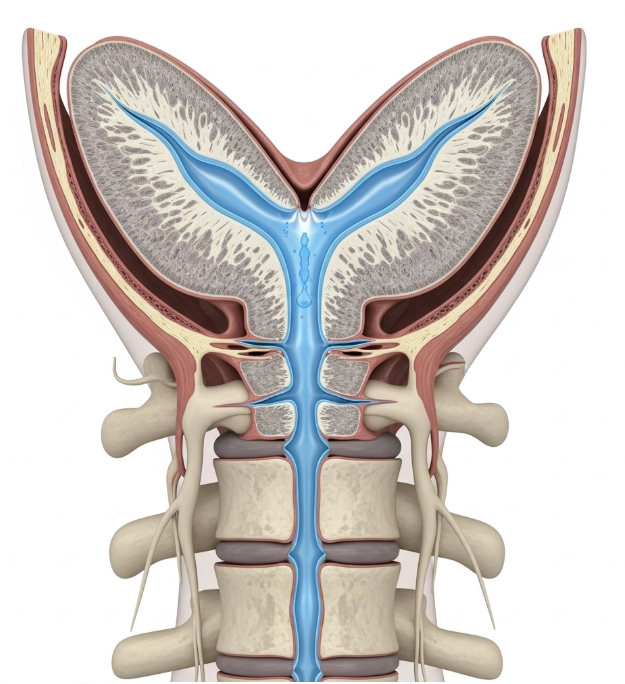
Overview Syringohydromyelia is a rare condition characterized by the presence of fluid-filled cavities within the spinal cord and its central canal. This abnormal fluid accumulation can cause progressive damage to the spinal cord, leading to various neurological symptoms. The condition is closely related to syringomyelia and hydromyelia, and is often associated with other disorders such […]