
Carcinoid Syndrome in Korea
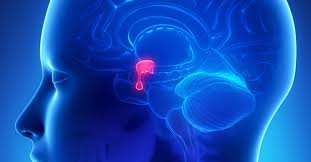
Overview Carcinoid syndrome is a group of symptoms caused by hormone-secreting carcinoid tumors, a type of neuroendocrine tumor (NET). These tumors release serotonin and other chemicals into the bloodstream, leading to flushing, diarrhea, and other systemic symptoms. In Korea, advanced diagnostic imaging and targeted therapies have made it possible to detect carcinoid syndrome earlier and […]
Carcinoid Tumor in Korea
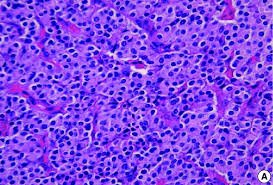
Overview A carcinoid tumor is a rare type of neuroendocrine tumor that usually develops in the digestive tract or lungs but can occur in other parts of the body. These tumors grow slowly and may not show symptoms for years. However, some carcinoid tumors release hormones that can cause a group of symptoms known as […]
Cardiac Arrest in Korea

Overview Cardiac arrest is a sudden loss of heart function, leading to the stopping of blood flow to vital organs. It is a life-threatening emergency that requires immediate medical intervention, typically through cardiopulmonary resuscitation (CPR) and defibrillation. In Korea, cardiac arrest is a major public health concern, with increasing awareness campaigns, rapid emergency response systems, […]
Cardiac Arrhythmias in Korea
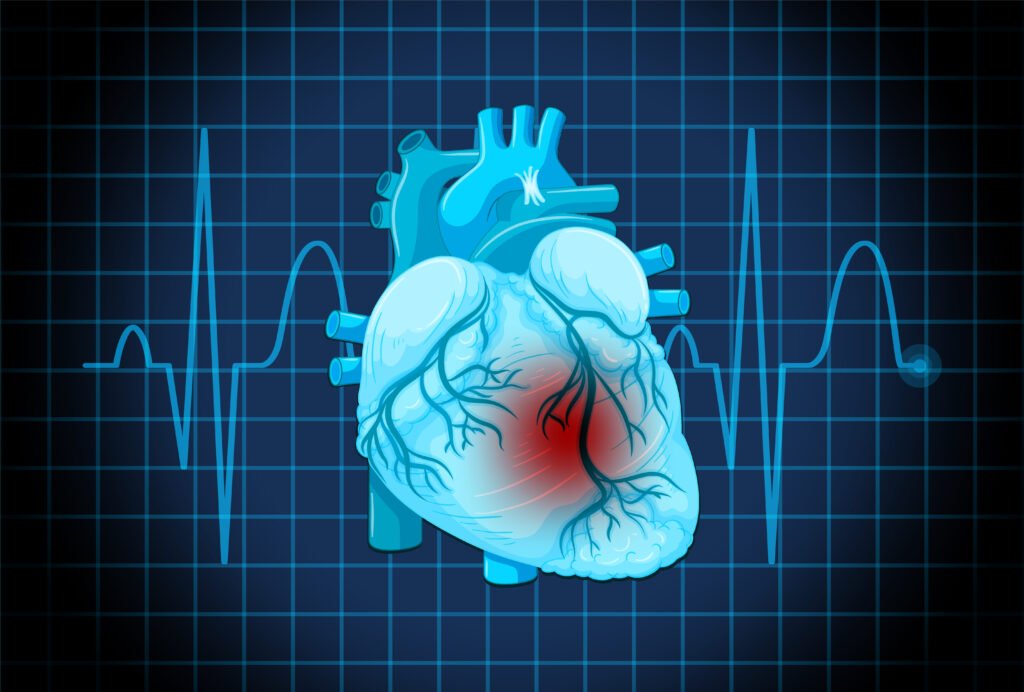
Overview Cardiac arrhythmias are abnormal heart rhythms that occur when the electrical signals controlling the heartbeat function improperly. They can cause the heart to beat too fast, too slow, or irregularly. In Korea, arrhythmias are increasingly diagnosed due to advanced screening technologies and an aging population. With modern medical facilities and experienced cardiologists, patients in […]
Cardiac Failure in Korea

Overview Cardiac failure—commonly called heart failure (HF)—is a chronic condition in which the heart cannot pump enough blood to meet the body’s needs. It can develop suddenly (acute) or progress over time (chronic). With Korea’s aging population and high rates of hypertension, diabetes, and coronary disease, HF is a major health issue. Korean tertiary hospitals […]
Cardiogenic Shock in Korea

Overview Cardiogenic shock is a life-threatening condition in which the heart suddenly cannot pump enough blood to meet the body’s needs. It often occurs after severe heart damage, such as a heart attack, and can lead to multiple organ failure if not promptly treated. South Korea provides advanced cardiac care, emergency interventions, and specialized intensive […]
Cardiomegaly in Korea

Overview Cardiomegaly, also known as an enlarged heart, is a condition in which the heart is larger than normal. It is usually a sign of an underlying heart problem rather than a disease itself. In Korea, advanced cardiology centers offer comprehensive evaluation, imaging, and treatment options to manage cardiomegaly and its underlying causes effectively. Symptoms […]
Cardiomyopathy in Korea
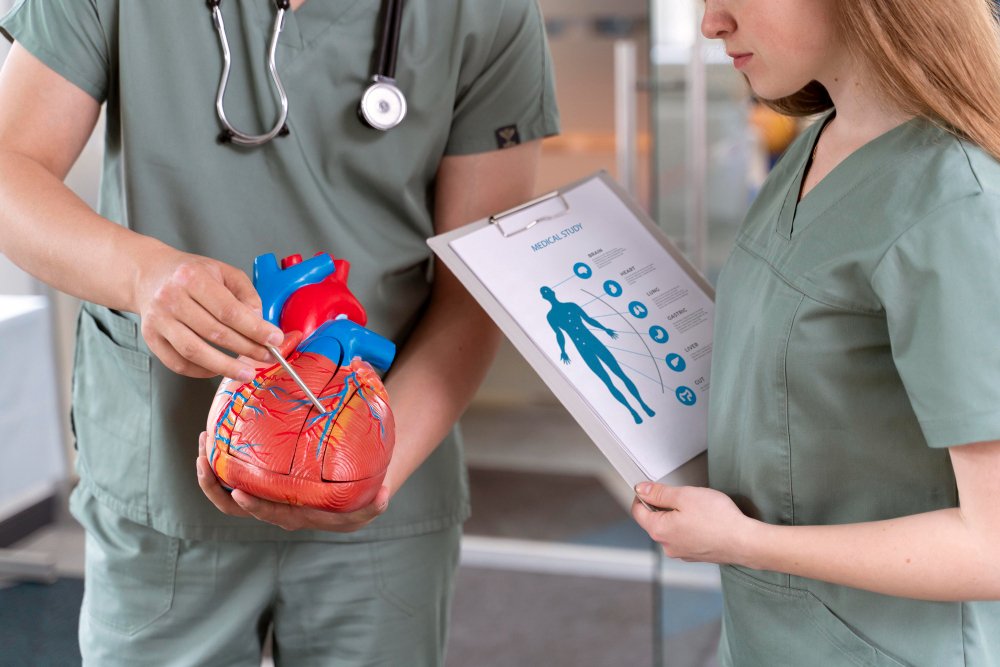
Overview Cardiomyopathy refers to diseases of the heart muscle that impair its ability to pump blood effectively. This can lead to heart failure, arrhythmias, or sudden cardiac arrest. South Korea provides advanced diagnostics, treatment, and surgical interventions for all types of cardiomyopathy. Early detection and proper management are crucial to prevent severe complications. What is […]
C. diff Infection (Clostridioides difficile) in Korea

Overview Clostridioides difficile (C. diff) infection is a bacterial illness that causes inflammation of the colon (colitis), ranging from mild diarrhea to life-threatening toxic megacolon. It most often occurs after recent antibiotic use or prolonged hospitalization. In Korea, robust infection-control programs and modern diagnostics help detect and treat cases quickly, especially in high-risk settings such […]
CADASIL in Korea
Overview CADASIL (Cerebral Autosomal Dominant Arteriopathy with Subcortical Infarcts and Leukoencephalopathy) is a rare inherited small-vessel disease of the brain. It causes recurrent migraines (often with aura), mini-strokes (TIAs), ischemic strokes, cognitive decline, and mood changes. Onset typically occurs in adulthood (30s–50s). In Korea, tertiary hospitals provide advanced MRI, genetic testing, and multidisciplinary long-term care […]