
Calluses in Korea

Overview Calluses are thickened, hardened areas of skin that develop as a protective response to repeated friction, pressure, or irritation. They commonly appear on the hands or feet and, while usually harmless, can cause discomfort or pain if neglected. In South Korea, dermatology clinics and podiatry centers provide advanced care for callus management, including non-invasive […]
Campylobacter Infection in Korea

Overview Campylobacter infection, also known as campylobacteriosis, is a common bacterial infection affecting the gastrointestinal tract. It is one of the leading causes of bacterial diarrhea worldwide. In South Korea, food safety regulations and hygiene practices have reduced the incidence, but sporadic outbreaks still occur, often linked to contaminated poultry, water, or unpasteurized dairy products. […]
Cancer in Korea

Overview Cancer is a group of diseases characterized by uncontrolled growth and spread of abnormal cells. In South Korea, cancer is a leading cause of mortality, but advancements in early detection, treatment, and research have significantly improved survival rates. Various types of cancer affect different organs, and personalized treatment plans are available in Korean healthcare […]
Cancer of the uterus in Korea

Overview Uterine cancer, also known as endometrial cancer, is a type of cancer that begins in the lining of the uterus (endometrium). It is one of the most common gynecologic cancers. Early detection significantly improves outcomes, and South Korea provides advanced diagnostic and treatment options for women with uterine cancer. What is Cancer of the […]
Cancer types in Korea

Overview Cancer is a group of diseases characterized by uncontrolled growth and spread of abnormal cells. If not treated, cancer can invade nearby tissues and metastasize to distant organs. South Korea offers advanced cancer detection, treatment, and research facilities, making it a leading destination for comprehensive oncology care. What is Cancer? Cancer occurs when cells […]
Candidiasis (vaginal) in Korea

Overview Candidiasis, also known as vaginal yeast infection, is a common fungal infection caused by an overgrowth of Candida albicans in the vaginal area. It is not considered a sexually transmitted infection (STI), but sexual activity can sometimes trigger symptoms. In Korea, vaginal candidiasis is widely treated with antifungal medications available at pharmacies, gynecology clinics, […]
Canker Sores in Korea
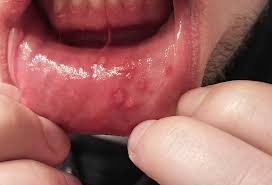
Overview Canker sores, also known as aphthous ulcers, are small, painful sores that form inside the mouth on the lips, cheeks, tongue, or gums. Unlike cold sores, they are not contagious and usually heal on their own within 1–2 weeks. In Korea, canker sores are common and treated effectively with over-the-counter remedies, prescription medications, and […]
Capgras Syndrome in Korea

Overview Capgras Syndrome is a rare psychiatric and neurological condition in which a person believes that someone close to them, such as a spouse, family member, or friend, has been replaced by an identical-looking impostor. It is classified as a delusional misidentification syndrome and is often associated with psychiatric disorders, brain injury, or neurodegenerative diseases. […]
Capillary Leak Syndrome in Korea

Overview Capillary Leak Syndrome (CLS) is a rare but serious condition in which plasma and proteins leak out of the small blood vessels (capillaries) into surrounding tissues. This leakage leads to sudden swelling (edema), low blood pressure, and thickened blood due to loss of plasma volume. CLS can be acute and life-threatening or chronic with […]
Carbon Monoxide Poisoning in Korea
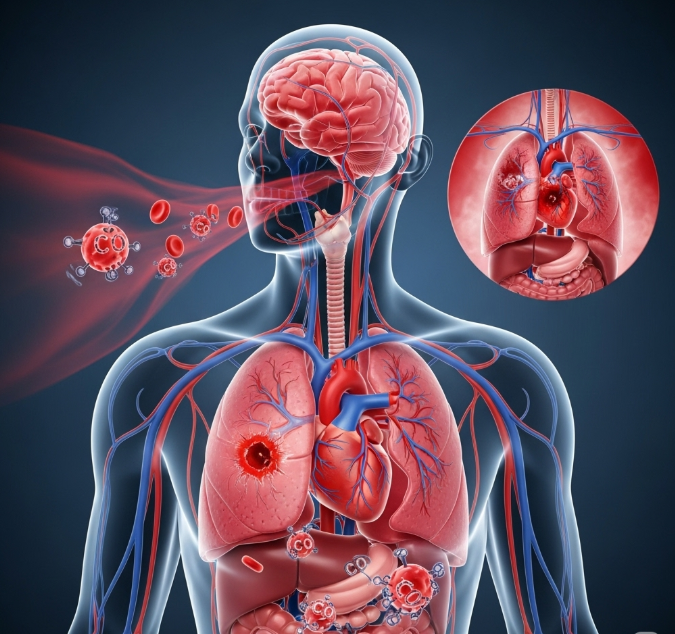
Overview Carbon monoxide (CO) poisoning is a serious and potentially life-threatening condition caused by inhaling carbon monoxide gas, a colorless, odorless, and tasteless substance. CO interferes with the blood’s ability to carry oxygen, leading to tissue damage and even death. In Korea, CO poisoning has historically been a public health issue due to traditional heating […]