
Concussion in Korea

Overview A concussion is a mild traumatic brain injury (TBI) caused by a blow, jolt, or sudden movement of the head, leading to temporary disruption of normal brain function. Although most concussions are not life-threatening, they can produce significant symptoms such as headache, confusion, dizziness, and memory problems. Early evaluation and proper management are essential […]
Congenital Heart Disease in Korea

Overview Congenital heart disease (CHD) refers to structural or functional problems with the heart present at birth. These defects can range from simple issues that cause no symptoms to complex malformations that require immediate intervention. CHD is one of the most common birth defects worldwide. In Korea, advanced prenatal screening, neonatal care, and pediatric cardiology […]
Congenital Cytomegalovirus in Korea

Overview Congenital cytomegalovirus (CMV) is a viral infection that occurs when a baby is infected with CMV before birth. CMV is a common virus, but when transmitted during pregnancy, it can cause serious health problems in the newborn. In Korea, advanced prenatal screening and neonatal care help in early diagnosis and management, reducing long-term complications. […]
Congenital Hypothyroidism in Korea

Overview Congenital hypothyroidism is a thyroid hormone deficiency present at birth. Thyroid hormones are crucial for brain development, growth, and metabolism. Without early treatment, this condition can cause intellectual disability and growth problems. In Korea, newborn screening programs are highly advanced, allowing early diagnosis and prompt treatment, which helps prevent long-term complications. What is Congenital […]
Congenital Nevi in Korea
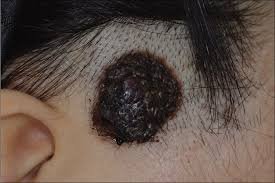
Overview Congenital nevi are pigmented birthmarks or moles present at birth. They develop due to an increased number of melanocytes (pigment-producing cells) in the skin. These lesions vary in size, color, and shape and may grow as the child grows. While most congenital nevi are harmless, some may carry a small risk of developing into […]
Compulsive Skin Picking in Korea

Overview Compulsive skin picking, medically referred to as Excoriation Disorder or Dermatillomania, is a psychological condition in which individuals repeatedly pick at their skin, leading to wounds, infections, and scarring. Unlike occasional skin picking, this disorder is chronic and compulsive, causing distress and interfering with daily life. In Korea, compulsive skin picking is increasingly recognized […]
Compression Fracture in Korea

Overview A compression fracture is a type of spinal injury where one or more vertebrae collapse or become compressed due to trauma, osteoporosis, or other underlying conditions. These fractures most commonly occur in the thoracic (mid-back) or lumbar (lower back) regions of the spine. Compression fractures may range from mild to severe, causing pain, reduced […]
Compulsive Sexual Behavior in Korea

Overview Compulsive sexual behavior, also known as hypersexual disorder or sexual addiction, is a condition where individuals experience uncontrollable sexual urges, fantasies, or behaviors that interfere with daily life, relationships, and emotional well-being. It is not simply a high sex drive; rather, it involves a loss of control, repeated unsuccessful attempts to stop, and negative […]
Complicated Grief Disorder in Korea

Overview Complicated Grief Disorder, also known as Prolonged Grief Disorder, is a mental health condition in which the natural grieving process becomes prolonged, intense, and debilitating. While grief is a normal emotional response to loss, individuals with Complicated Grief Disorder experience persistent and overwhelming sorrow that prevents them from moving forward with their lives. This […]
Complex Regional Pain Syndrome in Korea

Overview Complex Regional Pain Syndrome (CRPS) is a chronic pain condition that usually develops after an injury, surgery, stroke, or heart attack. The hallmark of CRPS is severe, persistent pain that is disproportionate to the initial injury. It is often accompanied by changes in skin color, temperature, and swelling in the affected limb. CRPS can […]