
Congenital anomalies (birth differences) in Korea

Overview Congenital anomalies, also called birth differences or birth defects, are structural or functional irregularities present at birth. They can affect the heart, brain, limbs, facial features, or internal organs. While some anomalies are minor and may not require treatment, others can be life-threatening or lead to long-term disabilities. South Korea has advanced prenatal care, […]
Congenital disorder in Korea

Overview Congenital disorders are structural or functional anomalies present at birth that can affect a variety of organs, including the heart, brain, limbs, and metabolic systems. They may result in physical, developmental, or intellectual challenges. South Korea has a well-developed healthcare system with advanced prenatal screening, genetic counseling, and neonatal care to identify and manage […]
Congestive heart failure in Korea

Overview Congestive Heart Failure (CHF) is a chronic condition in which the heart is unable to pump blood effectively, leading to the buildup of fluid in the lungs, legs, and other parts of the body. CHF can result from various heart conditions and is associated with significant morbidity and mortality. South Korea provides advanced diagnostic […]
Conjunctivitis in Korea

Overview Conjunctivitis, commonly known as pink eye, is an inflammation or infection of the conjunctiva, the thin, transparent layer covering the white part of the eye and the inner surface of the eyelids. It is a common eye condition that can affect people of all ages. While usually mild, prompt diagnosis and treatment are important […]
Constipation in Korea

Overview Constipation is a common digestive disorder characterized by infrequent, difficult, or painful bowel movements. It can affect individuals of all ages and may be acute or chronic. While often not life-threatening, persistent constipation can significantly reduce quality of life. In South Korea, advanced gastroenterology clinics provide effective diagnosis, treatment, and management strategies. What is […]
Contact Dermatitis in Korea

Overview Contact dermatitis is a common inflammatory skin condition that arises when the skin reacts to irritants or allergens. It can cause redness, itching, swelling, and sometimes blistering. While usually not life-threatening, it can cause significant discomfort and affect daily life. In South Korea, advanced dermatology clinics provide effective diagnosis, treatment, and management strategies. What […]
Conversion Disorder in Korea

Overview Conversion disorder, also known as functional neurological symptom disorder, is a mental health condition in which psychological stress manifests as physical symptoms. Patients may experience neurological-like symptoms, such as paralysis, tremors, or non-epileptic seizures, without any identifiable medical cause. While the symptoms are real and distressing, they are not caused by structural or biochemical […]
Convulsions in Korea

Overview Convulsions, also known as seizures, are sudden, uncontrolled electrical disturbances in the brain that can cause changes in behavior, movements, feelings, or consciousness. They may occur as a symptom of epilepsy or as a result of other medical conditions. While some convulsions are brief and harmless, others can indicate serious underlying health issues requiring […]
Cor Pulmonale in Korea
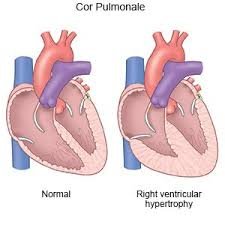
Overview Cor Pulmonale is a condition in which the right ventricle of the heart enlarges and weakens due to high blood pressure in the lungs (pulmonary hypertension). It typically arises as a complication of chronic lung diseases that impair oxygen exchange, causing the right side of the heart to work harder. If untreated, it can […]
Congenital Adrenal Hyperplasia in Korea

Overview Congenital Adrenal Hyperplasia (CAH) is a group of inherited disorders that affect the adrenal glands, leading to abnormal hormone production. The adrenal glands are responsible for producing cortisol, aldosterone, and androgens. In CAH, enzyme deficiencies disrupt this balance, often resulting in excess androgen production and insufficient cortisol or aldosterone. Early diagnosis and treatment are […]