
Hurting Yourself in Korea

Overview Hurting yourself, often referred to as self-harm or self-injury, involves intentionally causing physical harm to one’s body without suicidal intent. Common methods include cutting, burning, scratching, or hitting oneself. While it may temporarily relieve emotional distress, it often leads to serious physical, psychological, and social complications. In Korea, self-harm is a growing public health […]
Huntington’s disease in Korea

Overview Huntington’s disease (HD) is a rare, inherited neurodegenerative disorder that progressively affects movement, cognition, and behavior. It is caused by a genetic mutation in the HTT gene, leading to abnormal protein buildup that damages brain cells over time. In Korea, while HD is relatively rare compared to Western populations, cases are diagnosed and managed […]
Hydrocephalus in Korea

Overview Hydrocephalus is a neurological condition characterized by the accumulation of cerebrospinal fluid (CSF) within the brain’s ventricles, leading to increased intracranial pressure. In Korea, hydrocephalus is treated with advanced neurosurgical techniques, early diagnosis programs, and specialized pediatric and adult neurosurgery centers. Prompt treatment is essential to prevent brain damage and improve quality of life. […]
Corpus Callosum Disorders (CCD) in Korea

Overview Corpus callosum disorders (CCD) are a group of congenital or acquired conditions that affect the large bundle of nerve fibers connecting the left and right hemispheres of the brain. They range from complete absence (agenesis) to partial absence (hypogenesis) and structural malformations (dysgenesis). In Korea, early detection through prenatal and neonatal imaging, along with […]
Human bites in Korea

Overview Human bites may not seem as severe as animal bites, but they can be extremely dangerous because the human mouth contains many bacteria. These bites can lead to serious infections, tissue damage, or transmission of blood-borne diseases if not treated promptly. In Korea, human bite cases are managed quickly in emergency departments and specialized […]
Hodgkin lymphoma in Korea

Overview Hodgkin lymphoma is a type of blood cancer that begins in the lymphatic system, an important part of the immune system. It is characterized by the presence of abnormal Reed-Sternberg cells in the lymph nodes. In Korea, Hodgkin lymphoma is less common than non-Hodgkin lymphoma but is treated with highly advanced therapies, including chemotherapy, […]
HMPV in Korea

Overview Human Metapneumovirus (HMPV) is a respiratory virus that causes infections ranging from mild cold-like symptoms to severe respiratory illnesses, particularly in young children, older adults, and individuals with weakened immune systems. In Korea, HMPV infections are increasingly recognized as an important cause of pediatric hospitalizations during seasonal outbreaks. Advanced diagnostic tools and comprehensive respiratory […]
Hives in Korea

Overview Hives, also known as urticaria, are a common skin condition in Korea characterized by red, itchy welts that appear suddenly on the skin. They may result from allergic reactions, stress, infections, or unknown triggers. While most cases are mild and temporary, chronic or recurrent hives can significantly affect quality of life. Korean hospitals and […]
HIV infection and AIDS in Korea
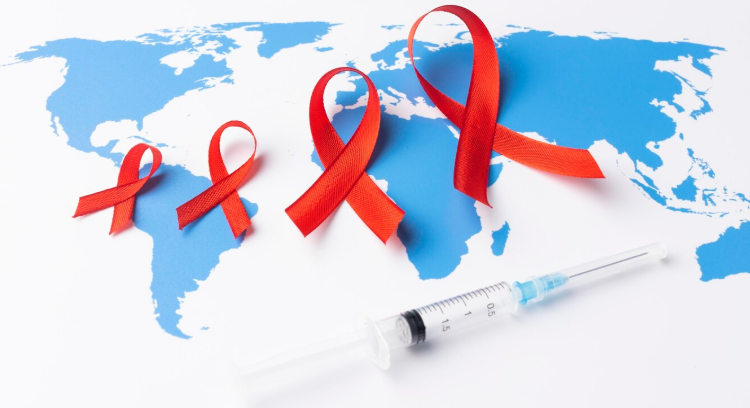
Overview HIV (Human Immunodeficiency Virus) infection and AIDS (Acquired Immunodeficiency Syndrome) are significant global health issues, including in South Korea. Although Korea has a relatively lower prevalence compared to some regions, the number of cases has gradually increased, particularly among younger populations. With advanced healthcare infrastructure, Korea provides confidential testing, effective treatment with antiretroviral therapy […]
High blood sugar in Korea

Overview High blood sugar, also known as hyperglycemia, is a condition where glucose levels in the blood are above normal. It is common in people with diabetes but can also occur temporarily due to stress, illness, or certain medications. In Korea, where diabetes prevalence has been rising due to lifestyle and dietary changes, high blood […]