
Hypothyroidism in Korea

Overview Hypothyroidism is a condition in which the thyroid gland produces insufficient thyroid hormones (T3 and T4), leading to a slowdown in the body’s metabolism. Symptoms can range from mild fatigue to severe complications affecting the heart, brain, and other organs. In Korea, hypothyroidism is commonly caused by autoimmune diseases such as Hashimoto’s thyroiditis, iodine […]
Hypothermia in Korea

Overview Hypothermia is a medical emergency that occurs when the body loses heat faster than it can produce it, causing the core body temperature to drop below 35°C (95°F). Severe hypothermia can lead to organ failure, cardiac arrest, and death if not treated promptly. In Korea, hypothermia cases are most commonly seen during harsh winter […]
Hypotension in Korea

Overview Hypotension, or low blood pressure, occurs when blood pressure readings fall below the normal range, typically below 90/60 mmHg. While mild hypotension may not cause symptoms, severe or sudden drops can lead to dizziness, fainting, and shock, which can be life-threatening. In Korea, hypotension is often managed in hospitals and clinics equipped with advanced […]
Hypoglycaemia (low blood sugar) in Korea

Overview Hypoglycaemia, or low blood sugar, occurs when blood glucose levels drop below the normal range, usually below 70 mg/dL. It is most commonly associated with diabetes treatment, especially in individuals taking insulin or certain oral medications, but it can also occur in non-diabetic individuals due to various medical conditions. In Korea, where the prevalence […]
Hypochondria in Korea

Overview Hypochondria, also known as illness anxiety disorder (IAD), is a mental health condition characterized by excessive worry about having or developing a serious illness despite having little or no medical evidence. People with hypochondria often misinterpret normal bodily sensations as signs of severe disease, which leads to frequent doctor visits, repeated medical tests, and […]
Hyperthyroidism in Korea

Overview Hyperthyroidism is a condition in which the thyroid gland produces excessive amounts of thyroid hormones (T3 and T4), leading to an overactive metabolism. This can affect nearly every system in the body, causing symptoms such as weight loss, rapid heartbeat, anxiety, and heat intolerance. In Korea, hyperthyroidism is a relatively common endocrine disorder, especially […]
Hypertension in Korea
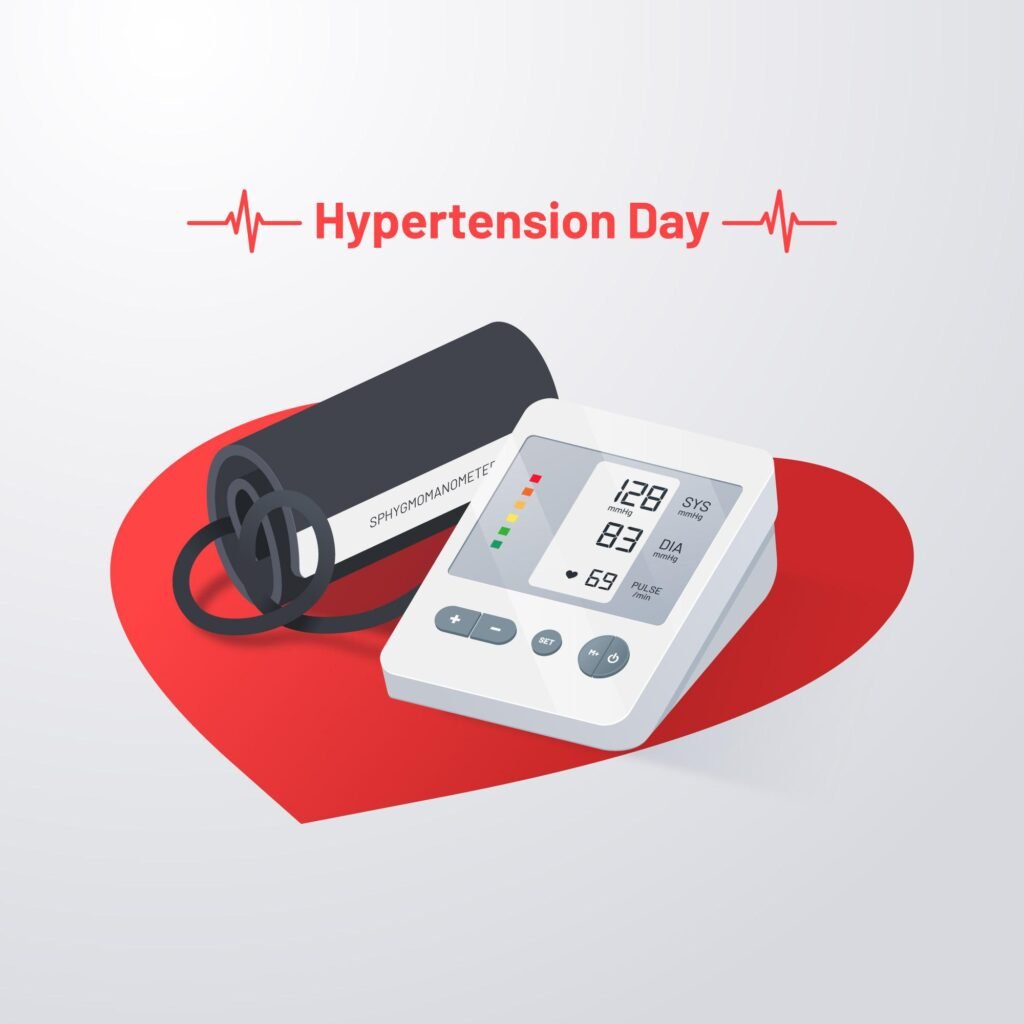
Overview Hypertension, commonly known as high blood pressure, is a chronic medical condition where the force of blood against the artery walls remains consistently elevated. If untreated, it significantly increases the risk of heart disease, stroke, kidney failure, and other complications. In Korea, hypertension is one of the most prevalent health conditions, affecting a large […]
Hyperopia in Korea

Overview Hyperopia, also known as farsightedness, is a common refractive error of the eye in which distant objects appear clearer than nearby objects. This condition occurs when the eye is shorter than normal or the cornea has too little curvature, causing light to focus behind the retina instead of directly on it.In Korea, where eye […]
Hyperglycaemia (high blood sugar) in Korea

Overview Hyperglycaemia refers to abnormally high levels of glucose (sugar) in the blood, most commonly associated with diabetes mellitus. It can also occur due to stress, certain medications, or underlying medical conditions. Persistent hyperglycaemia may cause damage to blood vessels, nerves, and organs, leading to complications such as cardiovascular disease, kidney failure, and vision loss.In […]
Hydrocephalus in Korea

Overview Hydrocephalus is a neurological condition characterized by an abnormal buildup of cerebrospinal fluid (CSF) in the brain’s ventricles, leading to increased intracranial pressure. It can occur at birth (congenital) or develop later in life (acquired). If left untreated, it may cause brain damage, physical disability, or even death. In Korea, hydrocephalus is treated with […]