
Diabetes (type 1) in Korea

Overview Type 1 diabetes is a chronic autoimmune condition in which the pancreas produces little or no insulin. In Korea, it affects a smaller proportion of the population compared to Type 2, but early diagnosis and insulin therapy are crucial to prevent complications. Specialized pediatric and adult endocrinology centers provide comprehensive management. What is Diabetes […]
Diabetes (Gestational) in Korea
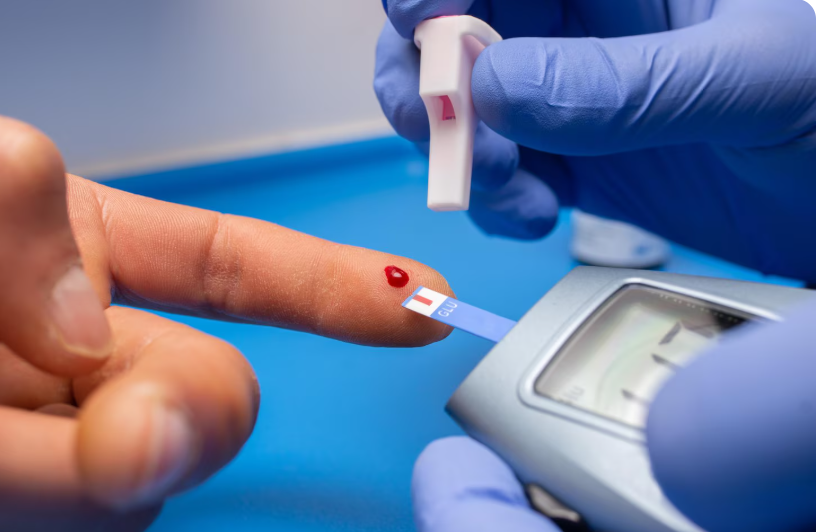
Overview Gestational diabetes is a form of diabetes diagnosed during pregnancy, affecting how the body processes glucose. In Korea, routine prenatal screening helps detect gestational diabetes early, reducing risks for both mother and baby. Major hospitals and obstetrics clinics provide comprehensive care for management and follow-up. What is Gestational Diabetes? Gestational diabetes occurs when pregnant […]
Diabetes in Korea

Overview Diabetes is a chronic metabolic disorder characterized by high blood sugar levels. In Korea, diabetes prevalence has been steadily rising due to urbanization, dietary changes, and sedentary lifestyles. Early diagnosis and management are essential to prevent complications such as cardiovascular disease, kidney failure, and neuropathy. What is Diabetes? Diabetes occurs when the body cannot […]
Deviated Septum in Korea

Overview A deviated septum is a condition where the nasal septum, the cartilage and bone dividing the nasal cavity, is displaced to one side. In Korea, it is a common ENT (ear, nose, throat) concern, and patients often seek evaluation for nasal obstruction, breathing difficulties, or chronic sinus infections. ENT specialists provide both medical and […]
Developmental Delay in Korea

Overview Developmental delay refers to slower-than-expected development in children in areas such as motor skills, speech, cognition, or social interactions. In Korea, awareness and early intervention programs have improved outcomes, with specialized pediatric and rehabilitation centers providing assessment, therapy, and parental guidance. What is Developmental Delay? Developmental delay is a broad term for when a […]
Developmental Coordination Disorder in Korea

Overview Developmental Coordination Disorder (DCD) is a neuromotor condition that affects movement coordination and motor skills in children. In Korea, awareness of DCD has increased, with specialized pediatric and occupational therapy centers providing assessment, intervention, and rehabilitation to improve daily functioning and academic performance. What is Developmental Coordination Disorder? DCD is a motor skills disorder […]
Desmoid Tumor in Korea

Overview A desmoid tumor, also called aggressive fibromatosis, is a rare, non-cancerous but locally aggressive tumor that arises from connective tissues. In Korea, treatment is provided at specialized oncology and surgical centers, where multidisciplinary approaches aim to control tumor growth and minimize recurrence. What is a Desmoid Tumor? Desmoid tumors are fibrous tissue growths that […]
Dermatomyositis in Korea

Overview Dermatomyositis (DM) is a rare autoimmune disease characterized by muscle inflammation and distinctive skin rashes. In Korea, patients with DM receive care in rheumatology and dermatology departments at major hospitals, where early diagnosis and treatment help prevent complications like muscle weakness and organ involvement. What is Dermatomyositis? Dermatomyositis is an inflammatory myopathy affecting skeletal […]
Dermatofibrosarcoma Protuberans in Korea

Overview Dermatofibrosarcoma protuberans (DFSP) is a rare, slow-growing skin cancer originating in the dermis layer of the skin. In Korea, DFSP is treated primarily in specialized dermatology and oncology centers, where advanced surgical techniques and follow-up care are available to prevent recurrence. Early diagnosis is crucial to achieve optimal outcomes. What is Dermatofibrosarcoma Protuberans? DFSP […]
Dermatitis Herpetiformis in Korea

Overview Dermatitis herpetiformis (DH) is a chronic, intensely itchy skin condition linked to celiac disease, characterized by clusters of small blisters and red bumps. In Korea, it is considered rare but is increasingly recognized with improved diagnostic capabilities in dermatology and gastroenterology centers. Early diagnosis helps manage symptoms and prevent complications related to gluten sensitivity. […]