
Digestive Disorders in Korea

Overview Digestive disorders encompass a wide range of conditions affecting the stomach, intestines, liver, gallbladder, and pancreas. They can range from mild discomfort, such as indigestion, to severe diseases like inflammatory bowel disease or liver cirrhosis. In Korea, the combination of advanced gastroenterology centers, endoscopic technologies, and comprehensive treatment programs ensures effective diagnosis and management […]
Diffuse idiopathic skeletal hyperostosis in Korea
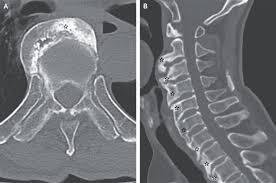
Overview Diffuse Idiopathic Skeletal Hyperostosis (DISH) is a condition characterized by abnormal calcification and ossification of ligaments and tendons, primarily along the spine. It can lead to stiffness, pain, and limited mobility. In Korea, patients with DISH benefit from advanced orthopedic and rheumatology care, including modern imaging techniques, physical therapy, and minimally invasive procedures to […]
Diffuse Axonal Injury in Korea
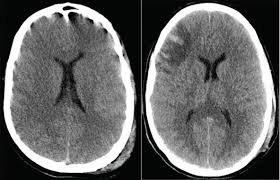
Overview Diffuse Axonal Injury (DAI) is a severe type of traumatic brain injury (TBI) that occurs when the brain rapidly shifts inside the skull, causing widespread tearing of nerve fibers (axons). This condition is common in high-speed accidents, such as motor vehicle crashes, falls, or sports-related injuries. In Korea, with its advanced neurosurgical facilities, trauma […]
Diarrhoea/Diarrhea in Korea

Overview DiGeorge Syndrome, also known as 22q11.2 deletion syndrome, is a rare genetic disorder caused by a small missing piece of chromosome 22. This condition affects multiple systems in the body, including the heart, immune system, endocrine system, and facial development. In Korea, advances in genetic testing, pediatric cardiology, and immune therapies have significantly improved […]
Diaper Rash in Korea

Overview Diaper rash is a common skin condition that affects infants and toddlers, typically caused by prolonged exposure to wet or soiled diapers. It leads to irritation, redness, and discomfort in the diaper area. In Korea, pediatricians and dermatologists provide advanced care for diaper rash, with an emphasis on prevention, gentle treatment, and education for […]
Diabetic Retinopathy in Korea

Overview Diabetic Retinopathy is a diabetes-related eye complication caused by damage to the blood vessels of the retina. It is a major cause of preventable vision loss and blindness worldwide. In Korea, the prevalence of diabetes is steadily increasing, and diabetic retinopathy is one of the most common diabetes-related complications. Thanks to Korea’s advanced medical […]
Diabetic Neuropathy in Korea

Overview Diabetic neuropathy is a type of nerve damage caused by long-term diabetes. High blood sugar levels can injure nerves throughout the body, leading to pain, numbness, and weakness, particularly in the legs and feet. It is one of the most common complications of diabetes. In Korea, where advanced diabetes care and modern diagnostic technologies […]
Diabetic Ketoacidosis in Korea
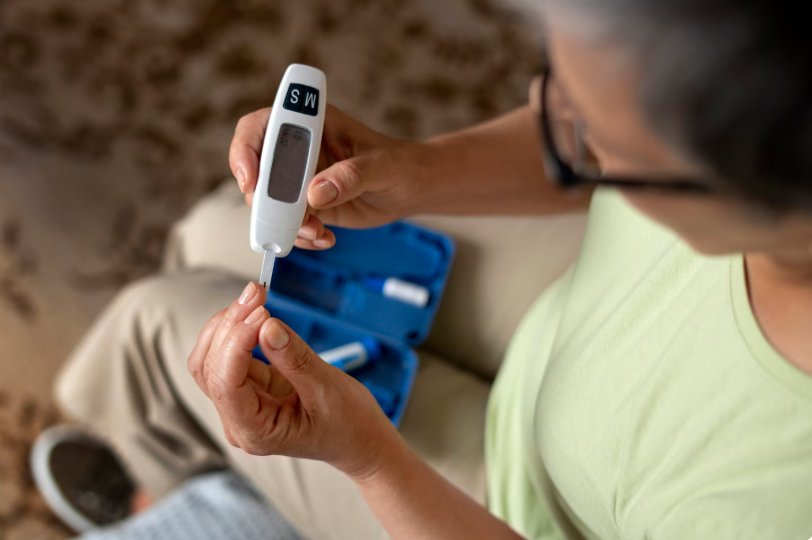
Overview Diabetic Ketoacidosis (DKA) is a serious and potentially life-threatening complication of diabetes that occurs when the body produces high levels of blood acids called ketones. This happens due to a severe insulin deficiency, causing the body to break down fat for energy, leading to an accumulation of ketones in the blood. Without prompt treatment, […]
Diabetes Insipidus in Korea

Overview Diabetes insipidus (DI) is a rare disorder affecting water balance in the body, leading to excessive thirst and urine output. In Korea, DI is managed by endocrinologists in specialized hospitals, with a focus on diagnosis, hormone replacement, and lifestyle management. What is Diabetes Insipidus? Diabetes insipidus occurs when the body cannot properly regulate fluid […]
Diabetes (type 2) in Korea

Overview Type 2 diabetes is a chronic metabolic disorder characterized by insulin resistance and impaired insulin secretion. In Korea, its prevalence has increased due to urbanization, dietary changes, and sedentary lifestyles, making early detection and management critical to prevent complications. What is Diabetes (Type 2)? Type 2 diabetes occurs when the body cannot effectively use […]