
Acquired Nystagmus in korea

Overview Acquired nystagmus is a neurological condition characterized by involuntary, rhythmic eye movements that develop later in life due to an underlying disorder or injury. Unlike congenital nystagmus (present at birth), acquired nystagmus often causes disruptive symptoms such as dizziness, blurred vision, and imbalance, significantly affecting daily activities and quality of life. It is a […]
Acquired Immunodeficiency Syndrome (AIDS) in korea

Overview Acquired Immunodeficiency Syndrome (AIDS) is the advanced stage of HIV (Human Immunodeficiency Virus) infection, where the body’s immune system becomes severely weakened. It makes individuals highly vulnerable to life-threatening opportunistic infections and certain cancers. While HIV is a manageable chronic condition with proper treatment, without timely diagnosis and care, it can progress to AIDS. […]
Acquired Hemophilia in korea

Overview Acquired hemophilia is a rare but serious bleeding disorder that occurs when the immune system mistakenly attacks clotting factor VIII, a protein essential for blood clotting. Unlike inherited hemophilia, which is present from birth, acquired hemophilia typically develops in adults with no personal or family history of bleeding disorders. It can cause sudden, severe, […]
Acoustic Neuroma in korea

Overview Acoustic neuroma, also known as vestibular schwannoma, is a rare, non-cancerous tumor that develops on the vestibulocochlear nerve—the nerve that connects the inner ear to the brain. This nerve is responsible for hearing and balance, and when a tumor grows on it, it can cause hearing loss, imbalance, ringing in the ears (tinnitus), and, […]
Acne in korea

Overview Acne is one of the most common skin conditions worldwide, affecting people of all ages but most frequently teenagers and young adults. It occurs when hair follicles become clogged with oil and dead skin cells, leading to blackheads, whiteheads, pimples, or deeper lumps. While not life-threatening, acne can cause emotional distress and lead to […]
Acid Sphingomyelinase Deficiency (ASMD) in korea

Overview Acid Sphingomyelinase Deficiency (ASMD), previously known as Niemann-Pick disease types A and B, is a rare, inherited lysosomal storage disorder. It results from a deficiency of the acid sphingomyelinase (ASM) enzyme, which leads to the harmful buildup of sphingomyelin and other lipids in various organs. ASMD can affect the liver, spleen, lungs, and brain, […]
Acid Reflux in korea

Overview Acid reflux is a common digestive condition that occurs when stomach acid flows backward into the esophagus, the tube that connects the throat to the stomach. This backflow, known as gastroesophageal reflux, can irritate the lining of the esophagus and cause symptoms such as heartburn, chest discomfort, and regurgitation. While occasional acid reflux is […]
Achondroplasia in korea
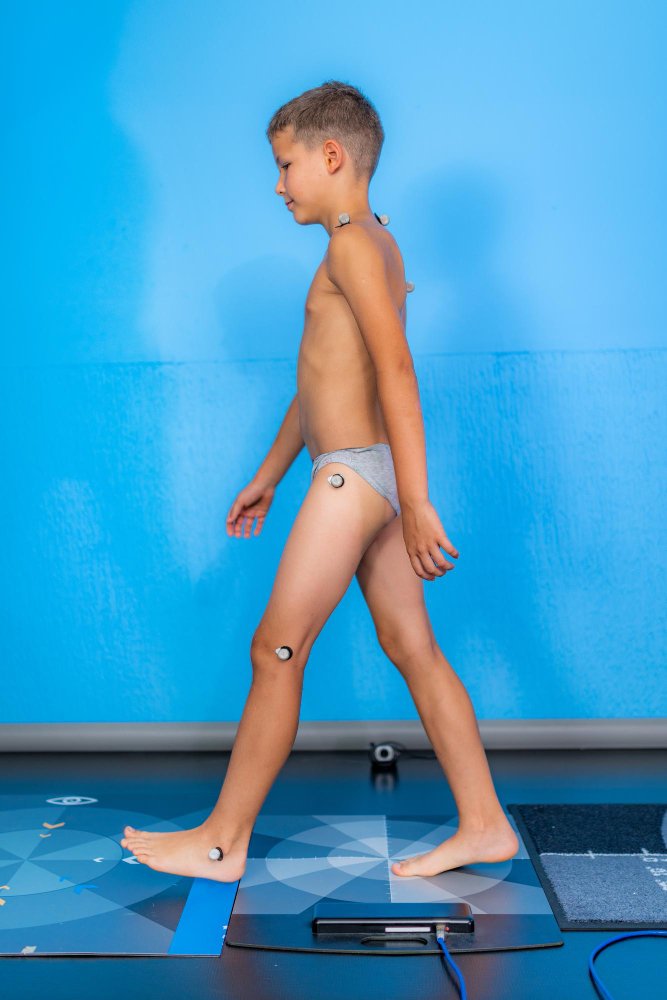
Overview Achondroplasia is the most common form of dwarfism, a genetic disorder that affects bone growth, particularly in the long bones of the arms and legs. People with achondroplasia typically have a normal-sized torso with short limbs, a prominent forehead, and specific facial and skeletal features. It does not affect intelligence or life expectancy in […]
Achilles Tendinitis In korea

Overview Achilles tendinitis is an overuse injury of the Achilles tendon, the thick band of tissue that connects the calf muscles to the heel bone. It typically occurs in runners, athletes, and people who suddenly increase the intensity or duration of physical activity. While it can often be managed with rest and physical therapy, if […]
Achalasia in korea

Overview Achalasia is a rare disorder of the esophagus, the tube that carries food from the mouth to the stomach. It occurs when the lower esophageal sphincter (LES) — a ring of muscle at the bottom of the esophagus — fails to relax properly, making it difficult for food and liquid to pass into the […]