
Allergic Reaction in Korea

Overview An allergic reaction is the body’s exaggerated immune response to a normally harmless substance, known as an allergen. These reactions can range from mild itching and sneezing to life-threatening anaphylaxis. Allergies are increasingly common in South Korea due to urbanization, air pollution, changes in diet, and increased exposure to allergens. Accurate diagnosis and timely […]
Allergic Dermatitis in Korea

Overview Allergic dermatitis, also known as allergic contact dermatitis or eczema, is a skin reaction triggered by exposure to allergens. It leads to itching, redness, swelling, and sometimes blistering of the skin. While it is not life-threatening, it can significantly affect quality of life and may become chronic if not managed properly. In South Korea, […]
Allergic Conjunctivitis in korea

Overview Allergic conjunctivitis is an inflammation of the conjunctiva—the clear tissue covering the white part of the eye—caused by an allergic reaction to environmental allergens such as pollen, dust, pet dander, or mold. It is a common and usually non-serious condition, but the symptoms can be uncomfortable and disruptive. Although not contagious, it often coexists […]
Allergic Bronchopulmonary Aspergillosis in Korea

Overview Allergic Bronchopulmonary Aspergillosis (ABPA) is a hypersensitivity reaction to a common fungus called Aspergillus fumigatus, which affects the lungs. It mainly occurs in people with asthma or cystic fibrosis. ABPA triggers inflammation in the airways, leading to worsening respiratory symptoms, lung damage, and in some cases, permanent bronchiectasis. Early diagnosis and treatment are crucial […]
Alkaptonuria in korea

Overview Alkaptonuria is a rare inherited disorder that affects the way the body processes certain amino acids. It is caused by a deficiency of the enzyme homogentisate 1,2-dioxygenase, leading to a buildup of homogentisic acid in the body. Over time, this buildup can cause darkening of the urine, pigmentation of connective tissues (a condition known […]
Alexander Disease in korea
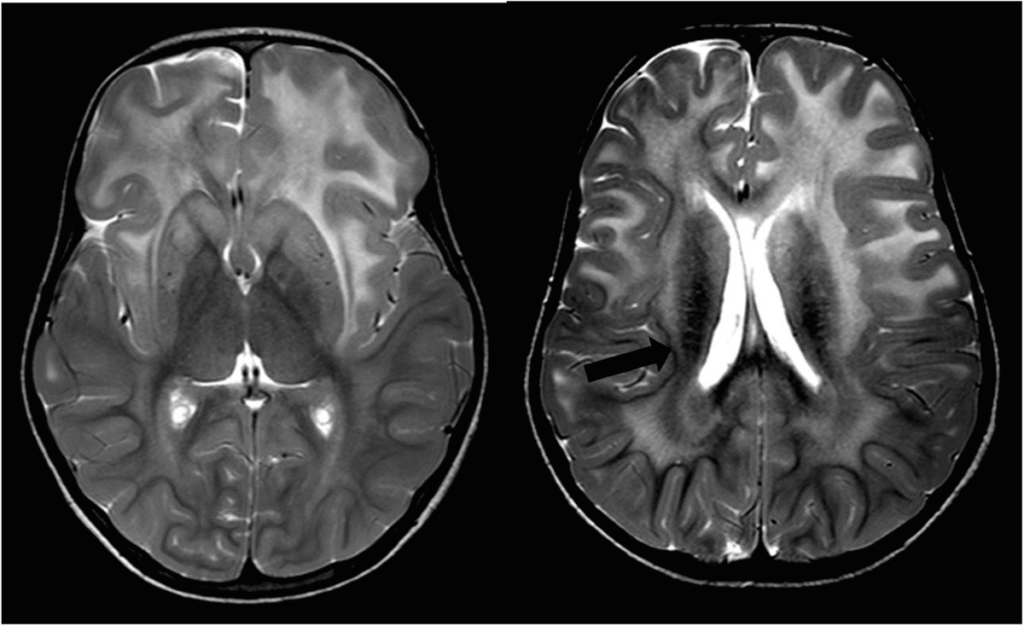
Overview Alexander Disease is a rare, progressive disorder of the central nervous system that affects the brain’s white matter. It is classified as a type of leukodystrophy, a group of disorders that involve the degeneration of myelin—the protective covering of nerve fibers. This disease primarily affects infants and young children, although later-onset forms also occur. […]
Aldosteronism in Korea
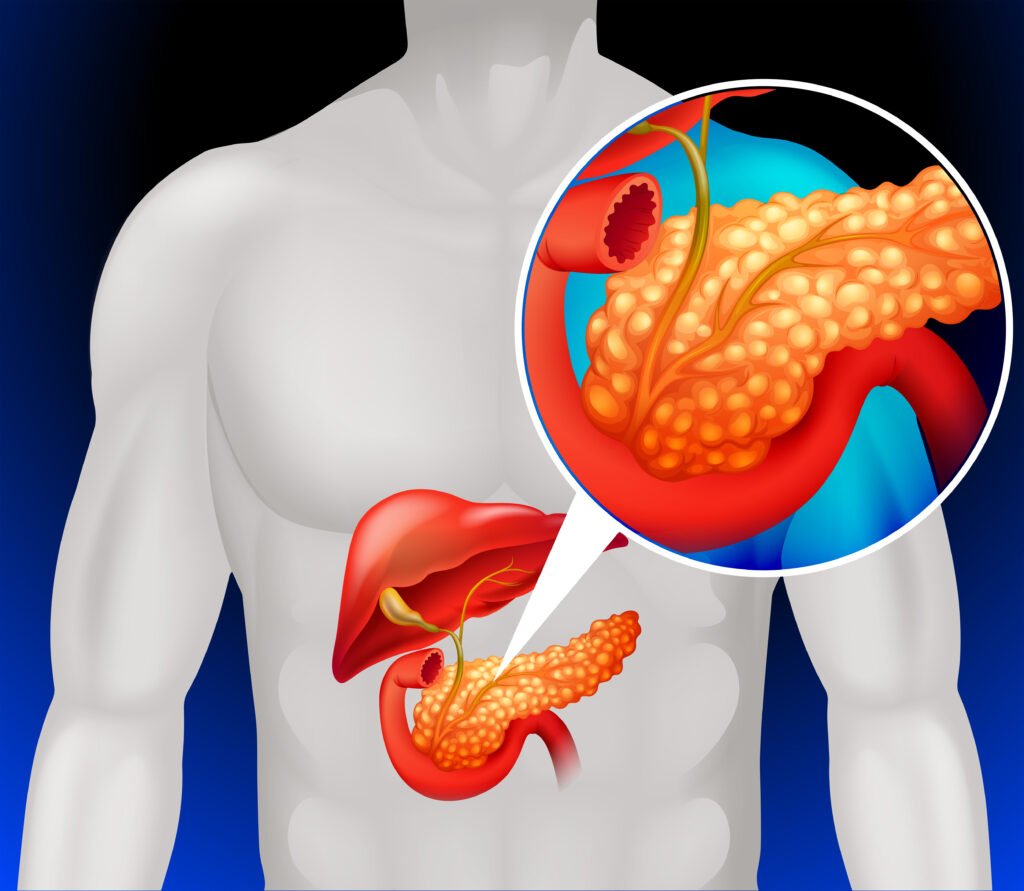
Overview Aldosteronism, also known as hyperaldosteronism, is a condition in which the adrenal glands produce too much aldosterone, a hormone that regulates sodium and potassium levels in the blood. Excess aldosterone leads to sodium retention, potassium loss, and high blood pressure. The condition can be primary (originating from the adrenal glands) or secondary (caused by […]
Alcohol Use Disorder in korea

Overview Alcohol Use Disorder (AUD) is a chronic relapsing brain disorder characterized by the inability to control or stop alcohol consumption despite adverse social, occupational, or health consequences. It ranges from mild to severe and significantly impacts a person’s mental and physical health. AUD can lead to dependence and long-term damage if left untreated. What […]
Alcohol Intoxication in Korea

Overview Alcohol intoxication, also known as alcohol poisoning or acute alcohol intoxication, occurs when a person consumes more alcohol than their body can process, leading to physical and mental impairment. It can range from mild disorientation to life-threatening symptoms such as unconsciousness, respiratory depression, or even death. Alcohol intoxication is considered a medical emergency at […]
Alcaptonuria in korea

Overview Alcaptonuria is a rare inherited metabolic disorder in which the body cannot properly break down two amino acids — tyrosine and phenylalanine — due to a deficiency of the enzyme homogentisate 1,2-dioxygenase (HGD). This leads to the accumulation of a substance called homogentisic acid (HGA) in the body, which can deposit in tissues and […]