
Alzheimer’s Disease in Korea

Overview Alzheimer’s disease is a progressive neurodegenerative disorder that causes memory loss, cognitive decline, and behavioral changes. It is the most common cause of dementia among older adults. Over time, the disease interferes with daily functioning, leading to total dependency. Although Alzheimer’s has no cure, early diagnosis and comprehensive care—especially in medically advanced countries like […]
Alveolar Osteitis (Dry Socket) in Korea

Overview Alveolar osteitis, commonly known as dry socket, is a painful dental condition that can occur after a permanent tooth extraction, especially wisdom teeth. It happens when the blood clot at the site of the extraction either dissolves or becomes dislodged, exposing the underlying bone and nerves. This leads to intense pain and delayed healing. […]
Altitude Sickness in Korea

Overview Altitude sickness, also known as acute mountain sickness (AMS), is a group of symptoms that occur when someone ascends to high altitudes too quickly, usually above 2,500 meters (8,200 feet). The body needs time to adapt to lower oxygen levels at high elevations, and when it fails to do so, altitude sickness can develop. […]
Amyotrophic Lateral Sclerosis (ALS) in Korea

Overview Amyotrophic Lateral Sclerosis (ALS), also known as Lou Gehrig’s disease, is a progressive neurodegenerative disorder that affects nerve cells in the brain and spinal cord. Over time, ALS leads to the loss of muscle control, difficulty speaking, swallowing, and eventually breathing. Though there is currently no cure, early treatment and supportive care can improve […]
Alport Syndrome in Korea
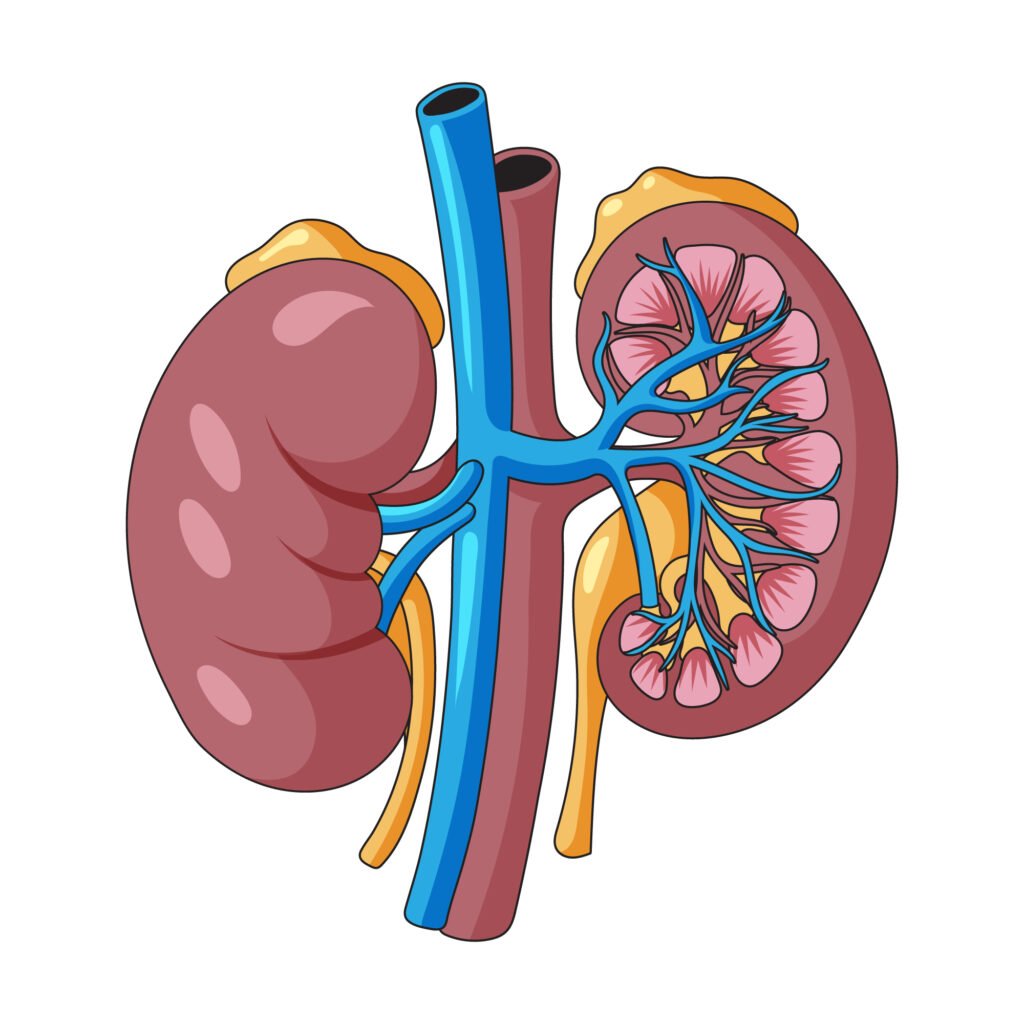
OverviewAlport Syndrome is a genetic disorder that primarily affects the kidneys, ears, and eyes. It leads to progressive kidney damage, hearing loss, and sometimes vision problems. Early diagnosis and treatment can help manage symptoms and slow disease progression. What is Alport Syndrome?Alport Syndrome is caused by mutations in genes responsible for producing type IV collagen, […]
Alpha-1 Antitrypsin Deficiency in Korea
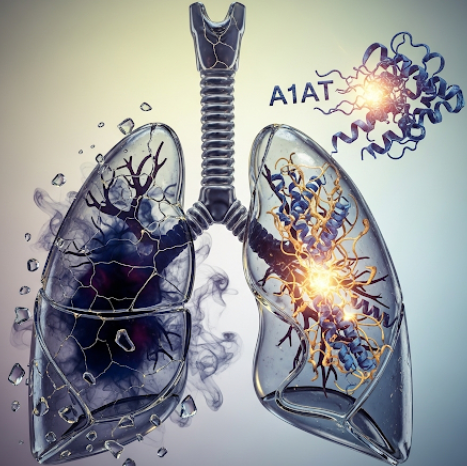
Overview Alpha-1 Antitrypsin Deficiency (AATD) is a rare, inherited genetic disorder that can lead to serious lung and liver disease. The condition results from the lack or dysfunction of a protein called alpha-1 antitrypsin (AAT), which protects tissues from enzyme damage. While global awareness is limited, early diagnosis and treatment are essential, and South Korea […]
Alopecia Areata in Korea

Overview Alopecia areata is an autoimmune disorder that causes sudden, unpredictable hair loss, typically in round patches on the scalp or other parts of the body. Though not life-threatening, it can cause significant emotional distress and impact self-esteem. In South Korea, advanced dermatological care and alternative therapies are available for managing this condition. What is […]
Allergy in Korea

Overview An allergy is an overreaction of the immune system to substances that are usually harmless to most people. These substances are called allergens, and they can trigger a wide range of symptoms, from mild skin irritation to life-threatening anaphylaxis. Allergies are common worldwide and affect people of all ages. In Korea, allergy awareness and […]
Allergic Urticaria in Korea

Overview Allergic urticaria, also known as hives, is a skin condition characterized by the sudden appearance of red, itchy, swollen welts or patches on the skin due to an allergic reaction. These hives can vary in size and shape and often appear and disappear quickly, sometimes within hours. Though typically harmless, allergic urticaria can significantly […]
Allergic Rhinitis in Korea

Overview Allergic rhinitis, often referred to as hay fever, is a common allergic condition that affects the nasal passages. It occurs when the immune system overreacts to allergens like pollen, dust mites, or pet dander. This leads to inflammation of the nasal lining, causing sneezing, congestion, runny nose, and itchy eyes. In South Korea, allergic […]