
Autism Spectrum Disorder in Korea

Overview Autism Spectrum Disorder (ASD) is a complex neurodevelopmental condition characterized by challenges in social communication, repetitive behaviors, and restricted interests. The spectrum nature of the disorder means it can vary significantly in severity and presentation. In Korea, there is growing awareness and increased support for early diagnosis and intervention through specialized medical and educational […]
Auto-brewery Syndrome in Korea

Overview Auto-brewery syndrome (ABS), also known as gut fermentation syndrome, is a rare condition where the digestive system produces ethanol (alcohol) internally through fermentation of carbohydrates by fungi or bacteria. People with ABS may appear intoxicated without consuming alcohol. In Korea, medical advancements and specialized gastrointestinal care offer effective diagnosis and treatment for this unusual […]
Aural Polyps in Korea

Overview Aural polyps are benign, fleshy growths that typically arise from the mucosal lining of the ear canal or middle ear, often as a result of chronic infection or inflammation. Though not cancerous, they can cause discomfort, hearing problems, or discharge. In South Korea, ENT specialists use advanced imaging, endoscopy, and minimally invasive microsurgery to […]
Auditory Neuropathy in Korea

Overview Auditory Neuropathy (AN), also known as Auditory Neuropathy Spectrum Disorder (ANSD), is a rare type of hearing disorder in which sound enters the inner ear normally, but the transmission of signals from the inner ear (cochlea) to the brain is impaired. It can affect both children and adults. South Korea offers advanced diagnostic audiology, […]
Atypical Pneumonia in Korea

Overview Atypical pneumonia, also known as “walking pneumonia,” is a milder form of lung infection caused by atypical bacteria or viruses rather than the typical Streptococcus pneumoniae. Unlike classic pneumonia, the symptoms are less severe and often resemble those of a cold or flu. South Korea provides excellent diagnostic and treatment options for atypical pneumonia […]
Atrophic Gastritis in Korea
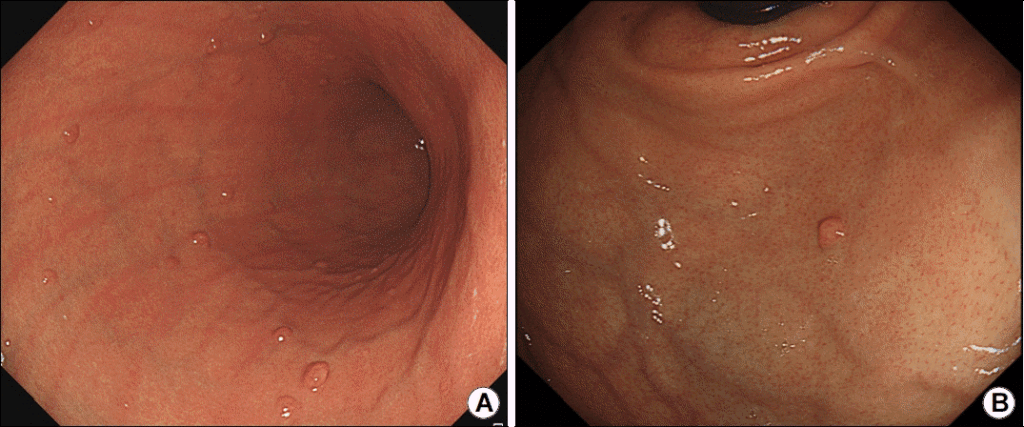
Overview Atrophic gastritis is a chronic condition where the stomach lining becomes inflamed and gradually thins, leading to a loss of gastric gland cells. Over time, this can impair digestion and nutrient absorption, and may increase the risk of stomach cancer. South Korea, known for its advanced gastroenterology care, offers world-class diagnostics and effective treatment […]
Atypical Hyperplasia in Korea

Overview Atypical hyperplasia is a condition where breast or endometrial cells grow abnormally and in greater numbers than usual, increasing the risk of developing cancer. It is considered a precancerous condition and requires careful monitoring or treatment. South Korea offers state-of-the-art diagnostics and personalized care plans, making it a top choice for patients seeking expert […]
Atrial Flutter in Korea

Overview Atrial flutter is a type of abnormal heart rhythm, or arrhythmia, where the atria (upper chambers of the heart) beat very fast and irregularly. Though not typically life-threatening, it can lead to serious complications like stroke or heart failure if untreated. South Korea offers advanced cardiac diagnostics and treatments, making it a top destination […]
Atresia in Korea

Overview Atresia refers to the absence or abnormal closure of a body opening or tubular structure, often present at birth. It can affect various organs, including the esophagus, anus, bile ducts, or small intestines. In Korea, early diagnosis and advanced surgical options provide high success rates for treating different forms of atresia, especially in infants […]
Atonic Seizures in Korea

Overview Atonic seizures, also known as drop attacks, are a type of seizure characterized by a sudden loss of muscle tone, causing the individual to collapse or fall unexpectedly. These seizures are brief but dangerous due to the risk of injury. In Korea, advanced diagnostic tools and comprehensive treatment options are available for epilepsy and […]