
Parasitic Infections in Korea

Overview Parasitic infections occur when parasites—organisms that live on or in a host—infect the human body. These infections range from mild to life-threatening and are common in areas with poor sanitation, contaminated water, or tropical climates. Parasites can be protozoa, helminths (worms), or ectoparasites (like lice or mites). Treatment depends on the type of parasite […]
Paraphimosis in Korea
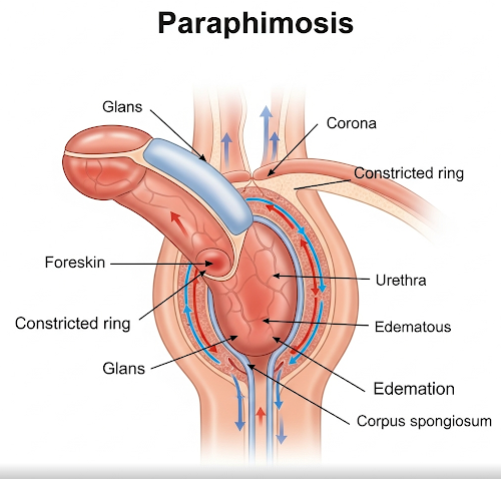
Overview Paraphimosis is a urological emergency in which the foreskin of an uncircumcised male becomes trapped behind the head of the penis (glans) and cannot be pulled back to its normal position. This condition causes swelling, pain, and restricted blood flow to the penis. If not treated quickly, paraphimosis can lead to severe complications, including […]
Paraneoplastic syndromes in Korea
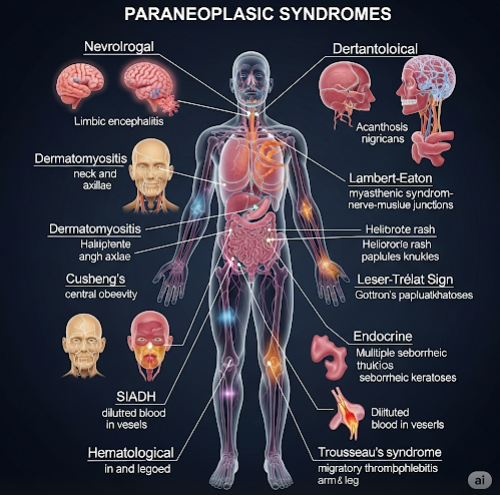
Overview Paraneoplastic syndromes are rare disorders that occur as a result of an abnormal immune system response to a cancerous tumor. Instead of being caused directly by the tumor mass itself or its metastasis, these syndromes arise from substances (like hormones or immune factors) secreted by the tumor or from the body’s immune reaction to […]
Paraganglioma in Korea
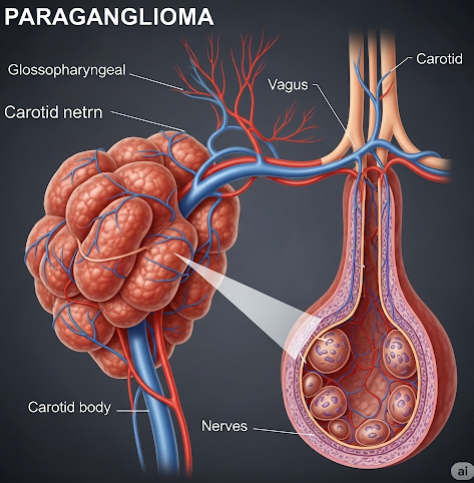
Overview Paraganglioma is a rare type of neuroendocrine tumor that develops from paraganglionic tissue, a group of cells that originate from the nervous system and help regulate involuntary functions like blood pressure. These tumors can form in various parts of the body, including the head, neck, chest, abdomen, and pelvis. While many paragangliomas are non-cancerous […]
Paracoccidioidomycosis in Korea
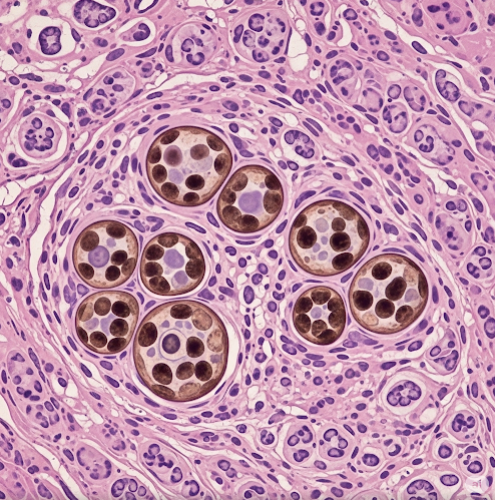
Overview Paracoccidioidomycosis is a rare but serious fungal infection caused by the Paracoccidioides species, primarily Paracoccidioides brasiliensis and Paracoccidioides lutzii. It mainly affects the lungs but can spread to other parts of the body, including the skin, mucous membranes, and lymph nodes. This infection is endemic in some parts of Latin America, especially Brazil, but […]
Papular Urticaria in Korea
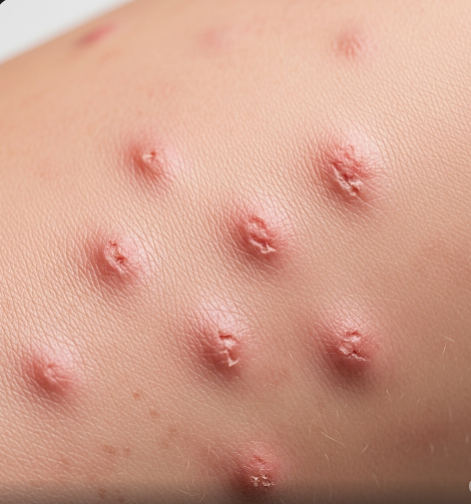
Overview Papular urticaria is a common hypersensitivity skin reaction, especially in children, caused by insect bites. It presents as small, itchy bumps (papules) or blisters that often appear in clusters. Although not contagious or dangerous, the condition can be uncomfortable and recurrent. With proper care and avoidance strategies, papular urticaria can be managed effectively. In […]
Papillary Carcinoma in Korea
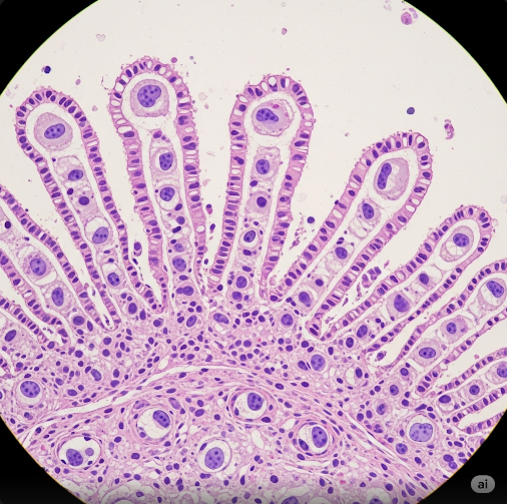
Overview Papillary carcinoma is a form of cancer that originates in epithelial tissue and grows in small, finger-like projections. It is most commonly associated with the thyroid gland but can also occur in the breast, kidney, ovary, or bladder. Among its types, papillary thyroid carcinoma (PTC) is the most prevalent and typically has a good […]
Panmyelosis in Korea
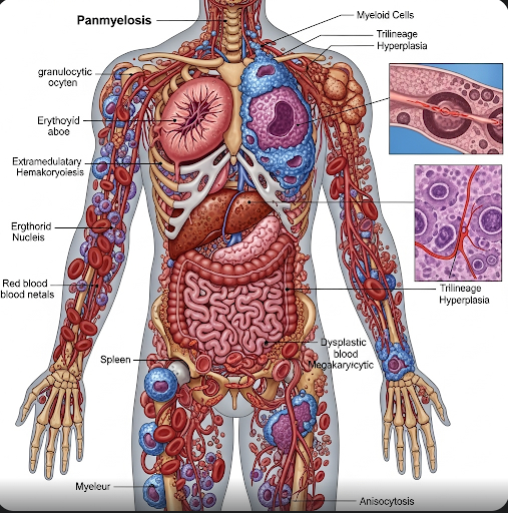
Overview Panmyelosis, also known as panmyelopathy or panmyelophthisis, is a rare and serious bone marrow disorder characterized by a reduction in the production of all three types of blood cells: red blood cells, white blood cells, and platelets. This condition can be caused by primary bone marrow failure or secondary to other underlying diseases or […]
Pagophagia in Korea

Overview Pagophagia is a medical condition characterized by the compulsive craving and consumption of ice or iced drinks. Often overlooked or misunderstood, this condition is more than just a harmless habit—it may signal underlying health issues, particularly iron deficiency anemia. Recognizing pagophagia can be crucial for early detection and treatment of broader medical concerns. What […]
Pallister-Killian Syndrome in Korea

Overview Pallister-Killian Syndrome (PKS) is a rare and complex genetic disorder that affects multiple systems in the body. It is caused by the presence of an extra copy of the short arm of chromosome 12 (tetrasomy 12p) in some of the body’s cells, a condition known as mosaicism. PKS is typically characterized by severe developmental […]