
Pavlovian Conditioning Disorder in Korea

Overview Pavlovian Conditioning Disorder is not an officially recognized medical diagnosis but refers informally to maladaptive behavioral responses that develop through classical conditioning, also known as Pavlovian conditioning. It occurs when a neutral stimulus becomes associated with a negative emotional or physical response due to past experiences. While not a standalone disorder in clinical manuals […]
Pathological Jealousy in Korea

Overview Pathological jealousy, also known as Othello syndrome, is a psychiatric disorder marked by an irrational and obsessive belief that a partner is being unfaithful, despite little or no evidence. Unlike normal jealousy, which can be based on real concerns or situations, pathological jealousy is extreme, persistent, and often damaging to both the affected individual […]
Patent Ductus Arteriosus in Korea
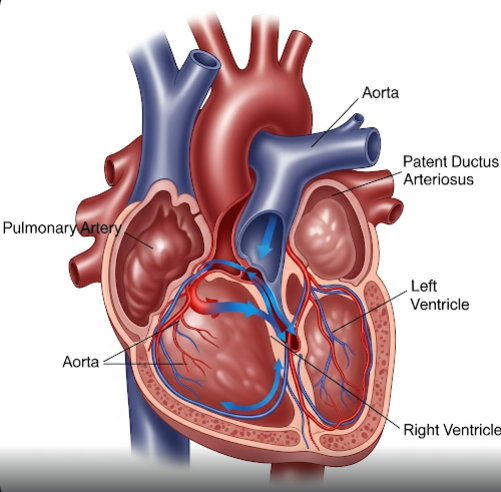
Overview Patent Ductus Arteriosus (PDA) is a congenital heart condition where a fetal blood vessel—the ductus arteriosus—fails to close after birth. This vessel is essential in fetal circulation but is supposed to close shortly after delivery. If it remains open (patent), it can lead to abnormal blood flow between the aorta and the pulmonary artery, […]
Parvovirus Infection in Korea
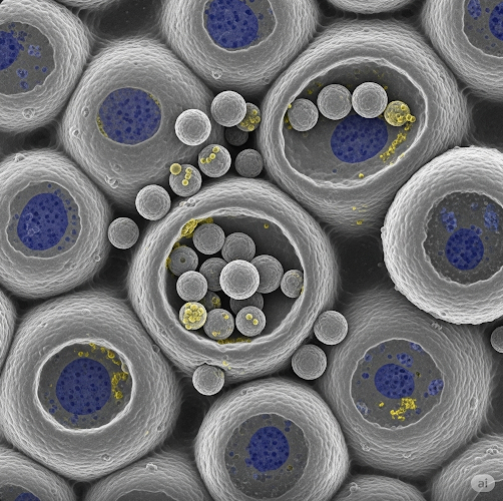
Overview Parvovirus infection refers to illnesses caused by viruses in the Parvoviridae family, the most common being Parvovirus B19, which primarily affects humans. This virus is best known for causing fifth disease (erythema infectiosum), a mild rash illness typically seen in children. Parvovirus B19 can also cause more serious complications in certain populations, including pregnant […]
Partial Seizures in Korea
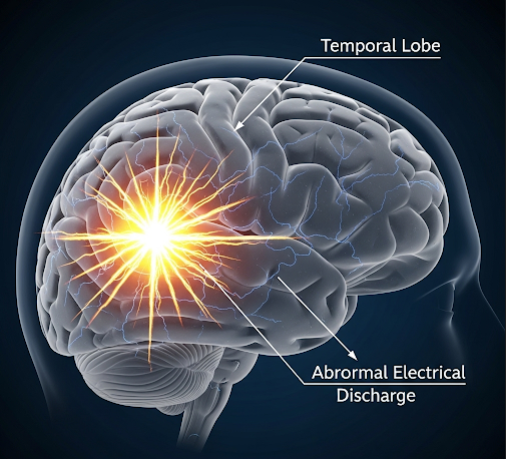
Overview Partial seizures, also called focal seizures, are seizures that originate in a specific area of one cerebral hemisphere in the brain. Unlike generalized seizures, which affect both sides of the brain at once, partial seizures begin locally and may remain confined or spread to other brain regions. These seizures can cause a wide range […]
Pars Planitis in Korea
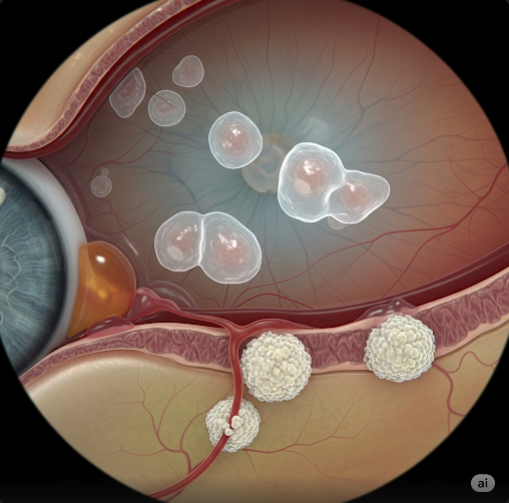
Overview Pars planitis is a rare, idiopathic form of intermediate uveitis, which refers to inflammation in the middle part of the eye. It specifically affects the pars plana—a part of the ciliary body in the eye. Pars planitis most commonly occurs in children, adolescents, and young adults, and often presents with blurry vision, floaters, or […]
Parry-Romberg Syndrome in Korea

Overview Parry-Romberg Syndrome (PRS), also known as progressive hemifacial atrophy, is a rare, degenerative disorder characterized by the slow and progressive deterioration (atrophy) of the skin and soft tissues on one side of the face. It typically begins in childhood or adolescence and may stabilize after several years. While the condition is usually not life-threatening, […]
Parosmia in Korea

Overview Parosmia is a disorder involving a distortion of the sense of smell. People with parosmia perceive familiar odors as unpleasant, different, or even offensive. It often follows viral infections like COVID-19 but may also result from head trauma, sinus issues, or neurological conditions. In South Korea, medical centers offer comprehensive diagnostic tools and specialized […]
Parkinsonism in Korea

Overview Parkinsonism refers to a group of neurological disorders that cause movement abnormalities similar to those found in Parkinson’s disease. These symptoms typically include tremors, slow movement (bradykinesia), stiffness (rigidity), and balance problems. While Parkinson’s disease is the most well-known form, other types of parkinsonism exist, often with different causes and responses to treatment. Correct […]
Parietal Lobe Epilepsy in Korea
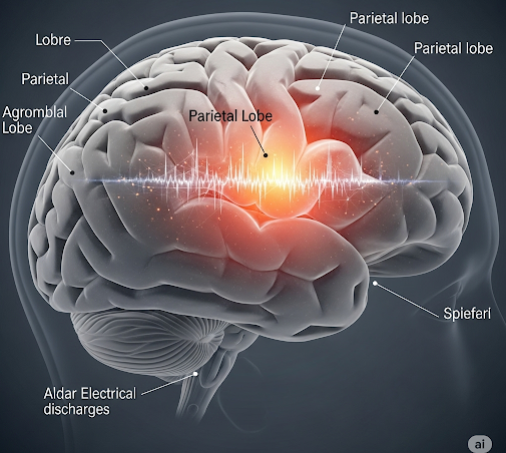
Overview Parietal lobe epilepsy is a rare and complex form of focal epilepsy that originates in the parietal lobe of the brain, which is responsible for processing sensory information like touch, spatial orientation, and body awareness. Because of the region’s functions, seizures in this area can produce unusual sensory disturbances, such as tingling, numbness, or […]