
Pervasive Developmental Disorder in Korea

Overview Pervasive Developmental Disorder (PDD) is a group of neurodevelopmental disorders characterized by delays in social interaction, communication, and behavior. The term was historically used to describe a spectrum of disorders that included autism and related conditions. Today, many of these diagnoses have been merged under the umbrella of Autism Spectrum Disorder (ASD) in modern […]
Peru Disease in Korea
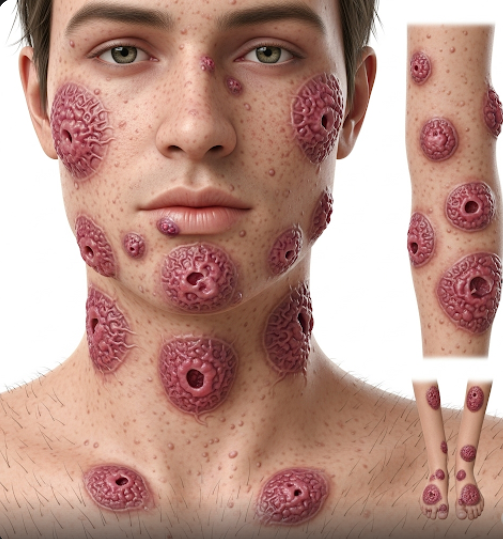
Overview Carrion’s Disease, also known as Peruvian Wart or Bartonellosis, is a rare but serious bacterial infection endemic to Peru and other Andean regions of South America. It is caused by the bacterium Bartonella bacilliformis and is transmitted by sandflies. The disease has two clinical phases—an acute, potentially fatal phase and a chronic skin phase. […]
Pertussis in Korea

Overview Pertussis, commonly known as whooping cough, is a highly contagious respiratory infection caused by the bacterium Bordetella pertussis. It is especially dangerous for infants and young children, although it can affect people of all ages. The disease is characterized by severe coughing fits that can last for weeks and often end with a high-pitched […]
Personality disorders cluster C in Korea

Overview Cluster C personality disorders are a group of mental health conditions marked by anxious, fearful thinking and behavior. People with these disorders often struggle with chronic worry, perfectionism, dependence, or fear of criticism and rejection. Unlike other clusters, Cluster C is generally more inwardly directed, and people with these disorders may be more likely […]
Personality Disorders Cluster B in Korea

Overview Cluster B personality disorders are a group of mental health conditions marked by dramatic, emotional, and erratic behavior. These disorders significantly impair relationships, emotional regulation, and self-image. Individuals with Cluster B disorders may have intense mood swings, impulsive behaviors, and difficulty maintaining stable relationships. They are often misunderstood, stigmatized, and underdiagnosed, yet early treatment […]
Personality Disorders Cluster A in Korea

Overview Personality disorders are enduring patterns of behavior, cognition, and inner experience that deviate significantly from cultural expectations and cause significant distress or impairment. Cluster A Personality Disorders are characterized by odd, eccentric, or socially detached behaviors. People with these disorders often appear unusual or strange and typically have difficulty forming close relationships. These disorders […]
Persistent Pulmonary Hypertension of the Newborn in Korea
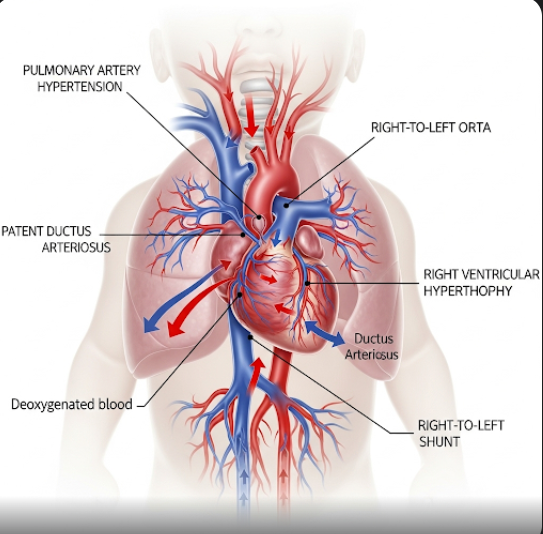
Overview Persistent Pulmonary Hypertension of the Newborn (PPHN) is a life-threatening condition that affects newborns shortly after birth. It occurs when a baby’s circulation system fails to adapt to breathing outside the womb, causing high pressure in the lungs’ blood vessels and reducing oxygen flow into the bloodstream. Immediate medical intervention in a neonatal intensive […]
Persistent Fetal Circulation in Korea
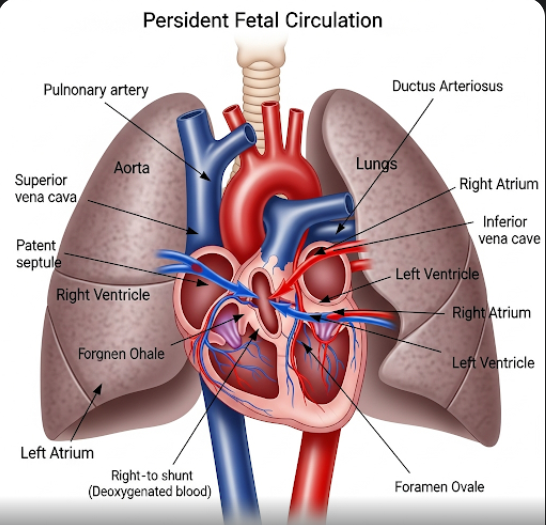
Overview Persistent Fetal Circulation, also known as Persistent Pulmonary Hypertension of the Newborn (PPHN), is a serious neonatal condition in which a newborn’s circulation continues to follow the fetal pattern after birth, preventing normal oxygenation of the blood. It can lead to severe hypoxemia (low blood oxygen levels) and respiratory distress shortly after delivery. Immediate […]
Persistent Depressive Disorder in Korea

Overview Persistent Depressive Disorder (PDD), formerly known as dysthymia, is a chronic form of depression characterized by a consistently low mood that lasts for at least two years. Unlike major depressive disorder, the symptoms of PDD may be less severe but are more enduring. It can significantly affect a person’s ability to function in daily […]
Peripheral Edema in Korea
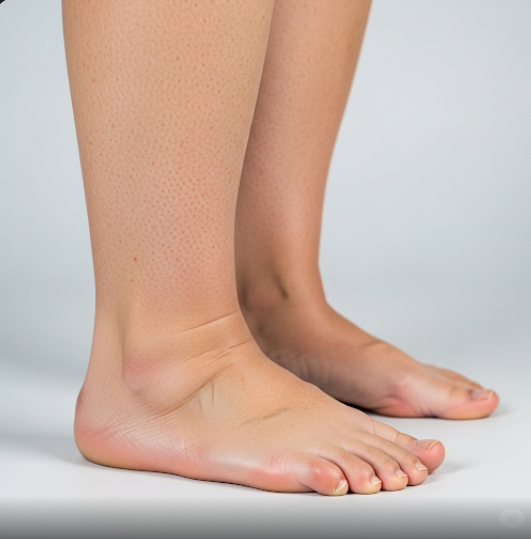
Overview Peripheral edema refers to the abnormal accumulation of fluid in the tissues of the lower limbs—commonly the feet, ankles, and legs—resulting in noticeable swelling. It is not a disease in itself, but rather a sign of an underlying condition ranging from minor issues like prolonged standing to serious medical disorders like heart failure or […]