
Osteomyelitis (Bone Infection) in Korea
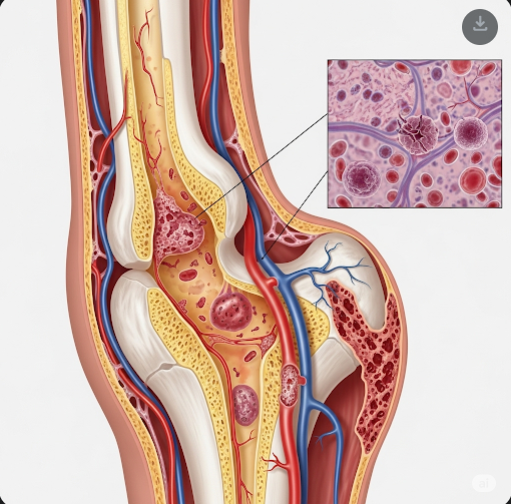
Overview Osteomyelitis is an infection of the bone caused by bacteria or, less commonly, fungi. It can affect any bone in the body and often results in severe inflammation, pain, and sometimes permanent bone damage if not promptly treated. In Korea, modern diagnostic methods and advanced antibiotic and surgical treatments are widely available to effectively […]
Osteomalacia in Korea
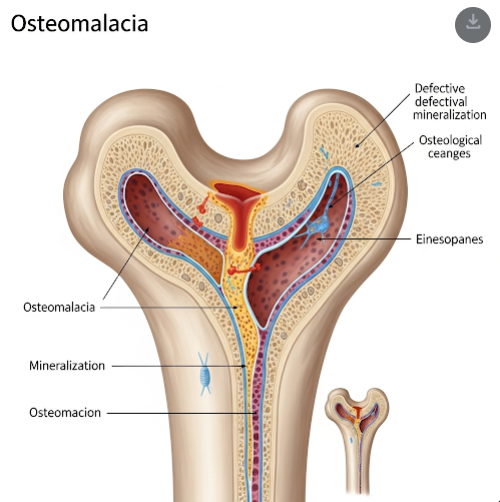
Overview Osteomalacia is a bone disorder characterized by the softening of bones due to defective bone mineralization, primarily caused by vitamin D deficiency. This condition leads to bone pain, muscle weakness, and an increased risk of fractures. In Korea, osteomalacia is diagnosed and treated through a combination of clinical assessment, laboratory tests, and imaging, with […]
Osteoid Osteoma in Korea
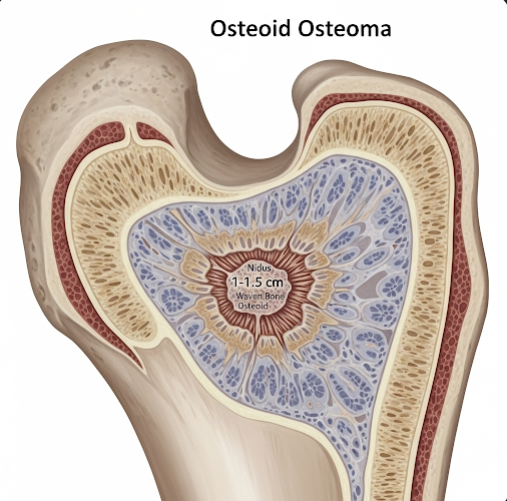
Overview Osteoid osteoma is a benign but painful bone tumor that most commonly affects children and young adults. It is characterized by a small, well-defined lesion called a nidus that causes localized bone inflammation and intense night pain, often relieved by nonsteroidal anti-inflammatory drugs (NSAIDs). In Korea, advanced imaging and minimally invasive treatments are widely […]
Osteogenesis Imperfecta (Brittle Bone Disease) in Korea

Overview Osteogenesis Imperfecta (OI), commonly known as Brittle Bone Disease, is a rare genetic disorder characterized by fragile bones that break easily, often with little or no trauma. The severity of OI varies widely, ranging from mild forms with few fractures to severe cases causing frequent fractures, bone deformities, and growth problems. In Korea, multidisciplinary […]
Osteochondroma in Korea
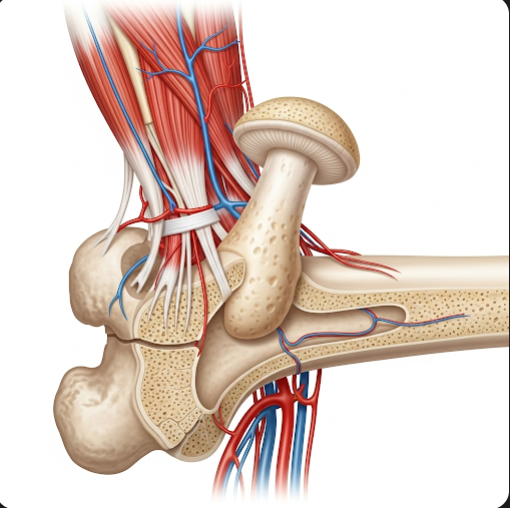
Overview Osteochondroma is the most common benign bone tumor, characterized by an abnormal bony growth covered by cartilage that usually develops near the growth plates of long bones such as the femur, tibia, and humerus. While often painless and discovered incidentally, osteochondromas can sometimes cause discomfort or mechanical issues. In Korea, orthopedic specialists use advanced […]
Osteochondritis Dissecans in Korea

Overview Osteochondritis Dissecans (OCD) is a joint condition where a fragment of bone and its overlying cartilage partially or completely separates from the end of a bone due to loss of blood supply. This can lead to pain, swelling, and joint dysfunction. OCD most commonly affects the knee but can also involve the ankle and […]
Osteoblastoma in Korea
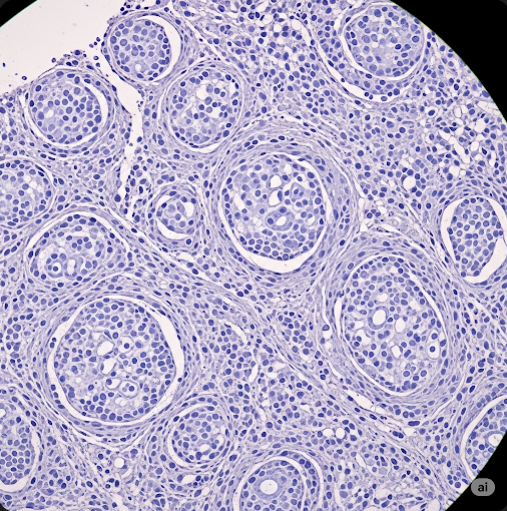
Overview Osteoblastoma is a rare, benign bone tumor that typically arises in the spine and long bones of children and young adults. Unlike malignant tumors, osteoblastoma grows slowly and does not spread to other parts of the body, but it can cause significant pain and bone deformity if untreated. In Korea, advanced orthopedic oncology centers […]
Osteoarthritis in Korea

Overview Osteoarthritis (OA) is the most common form of arthritis, characterized by the gradual degeneration of cartilage—the protective tissue at the ends of bones—in joints. This wear-and-tear process leads to joint pain, stiffness, and reduced mobility. Osteoarthritis primarily affects weight-bearing joints such as the knees, hips, and spine but can also involve the hands and […]
Osteitis Pubis in Korea
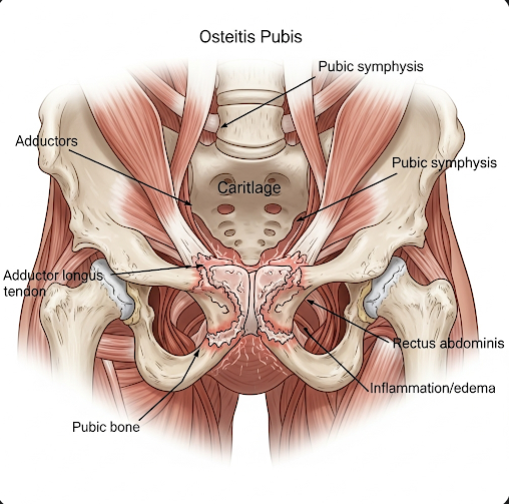
Overview Osteitis Pubis is an inflammatory condition affecting the pubic symphysis — the joint at the front of the pelvis where the left and right pubic bones meet. It often causes groin pain and discomfort, especially during activities that strain the pelvic region. This condition is most common among athletes involved in sports that require […]
Osteitis Fibrosa Cystica (OFC) in Korea
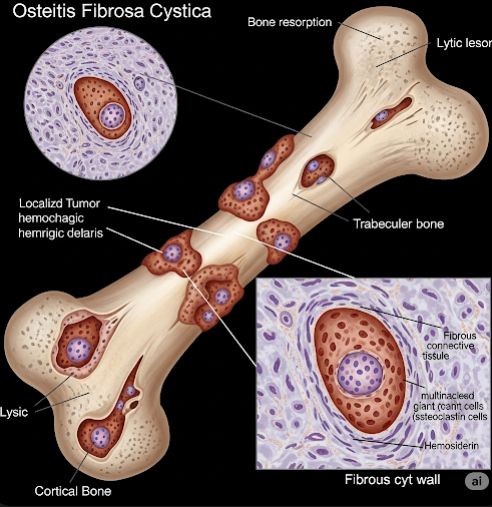
Overview Osteitis Fibrosa Cystica (OFC) is a rare but serious bone disorder caused by overactivity of the parathyroid glands, most commonly due to primary hyperparathyroidism. Excess parathyroid hormone (PTH) causes calcium to be removed from bones, leading to bone weakness, fibrous tissue replacement, and cyst-like lesions. In Korea, advanced endocrinology and orthopedic care are available […]