
Ototoxicity in Korea
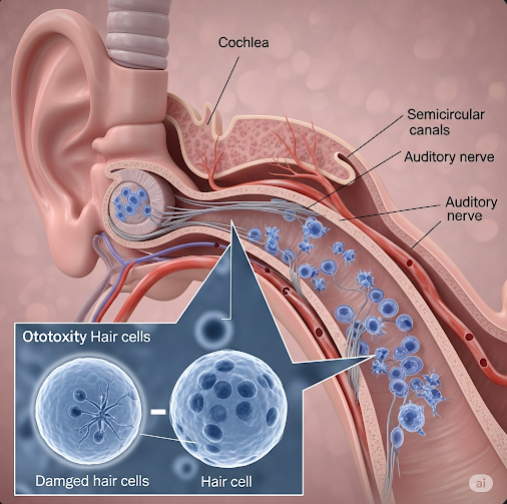
Overview Ototoxicity refers to ear poisoning caused by exposure to certain drugs or chemicals that damage the inner ear or the auditory nerve, leading to hearing loss, tinnitus, or balance disorders. It can be temporary or permanent, depending on the extent of damage. In Korea, healthcare providers carefully monitor patients at risk to prevent and […]
Otosclerosis in Korea
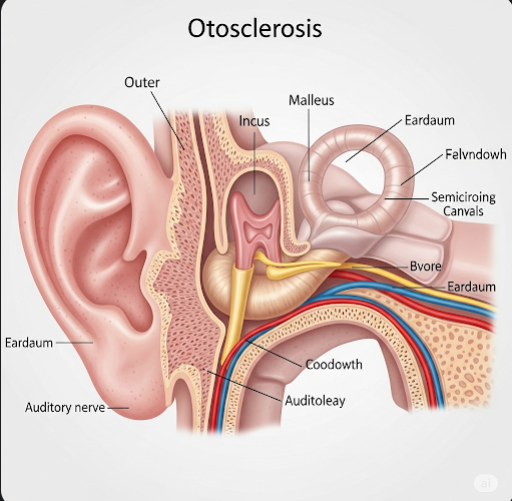
Overview Otosclerosis is a common cause of progressive hearing loss due to abnormal bone remodeling in the middle ear, particularly affecting the stapes bone. This condition leads to stiffness of the stapes, impairing sound transmission to the inner ear. In Korea, otosclerosis is diagnosed through audiological and imaging tests, and effective treatments such as surgery […]
Otorrhea in Korea

Overview Otorrhea refers to the abnormal discharge or drainage from the external ear canal or middle ear. It can be a symptom of various underlying conditions such as infections, trauma, or chronic ear diseases. In Korea, otorrhea is commonly evaluated by ENT specialists using modern diagnostic tools, and treatments are tailored based on the underlying […]
OTC Deficiency in Korea

Overview Ornithine Transcarbamylase (OTC) Deficiency is a rare genetic disorder affecting the urea cycle, leading to the accumulation of ammonia in the blood (hyperammonemia). This metabolic condition primarily impacts the liver’s ability to eliminate nitrogen waste, causing severe neurological symptoms and requiring urgent medical management. In Korea, specialized metabolic and genetic clinics provide diagnosis, treatment, […]
Osteosarcoma (Osteogenic Sarcoma) in Korea
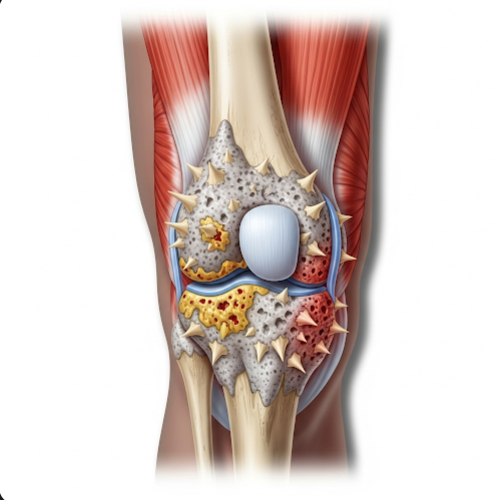
Overview Osteosarcoma, also known as osteogenic sarcoma, is the most common primary malignant bone tumor, primarily affecting children, adolescents, and young adults. It typically arises in the long bones around the knee but can occur in any bone. Osteosarcoma is an aggressive cancer that requires prompt diagnosis and multimodal treatment. In Korea, leading oncology centers […]
Osteoradionecrosis (ORN) in Korea

Overview Osteoradionecrosis (ORN) is a serious condition where bone tissue dies due to radiation therapy, most commonly affecting the jaw after radiation treatment for head and neck cancers. ORN results from the radiation-induced damage to blood vessels and bone cells, leading to impaired healing, bone exposure, and infection. In Korea, specialized cancer and dental centers […]
Osteoporosis in Korea

Overview Osteoporosis is a common bone disease characterized by decreased bone mass and deterioration of bone tissue, leading to fragile bones and an increased risk of fractures. It primarily affects older adults, especially postmenopausal women, but can also impact men. In Korea, osteoporosis is a significant public health concern, with comprehensive screening, prevention, and treatment […]
Osteopoikilosis in Korea
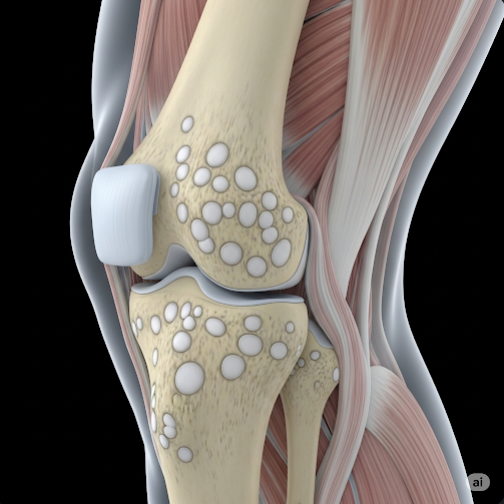
Overview Osteopoikilosis is a rare, benign bone disorder characterized by the presence of multiple small, round or ovoid areas of increased bone density (sclerotic spots) scattered throughout the skeleton. It is usually discovered incidentally during imaging tests and typically does not cause symptoms or complications. In Korea, advanced radiology services allow accurate diagnosis to differentiate […]
Osteopenia in Korea
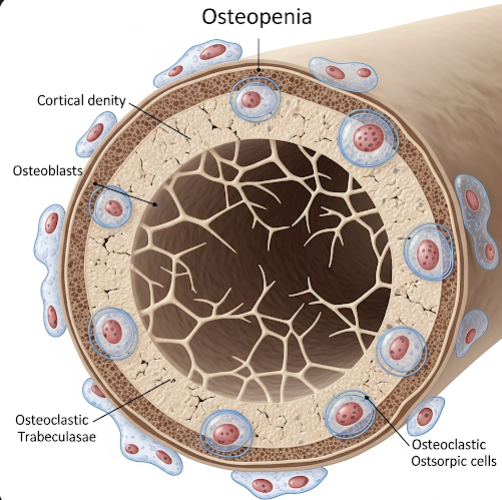
Overview Osteopenia is a condition characterized by lower-than-normal bone mineral density, which is not low enough to be classified as osteoporosis but indicates a risk for future bone loss and fractures. It is often considered a precursor to osteoporosis. In Korea, early detection and management of osteopenia are emphasized to prevent progression to more severe […]
Osteonecrosis of the Jaw (ONJ) in Korea
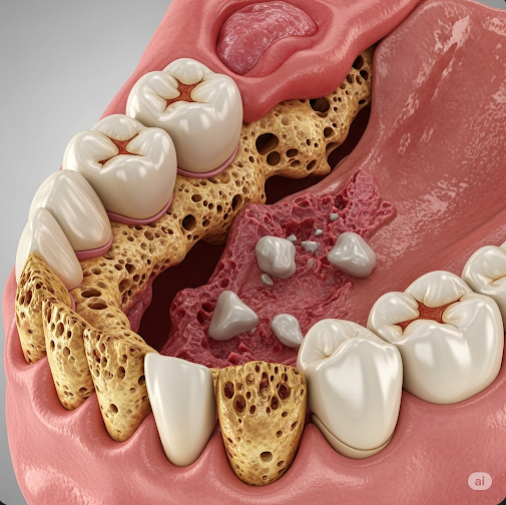
Overview Osteonecrosis of the Jaw (ONJ) is a severe bone disease characterized by the death of jawbone tissue due to reduced blood flow. It often occurs in patients receiving certain medications, such as bisphosphonates or denosumab, commonly used to treat osteoporosis or metastatic cancers. ONJ can lead to pain, infection, and exposed bone in the […]