
Rasmussen’s Encephalitis in Korea
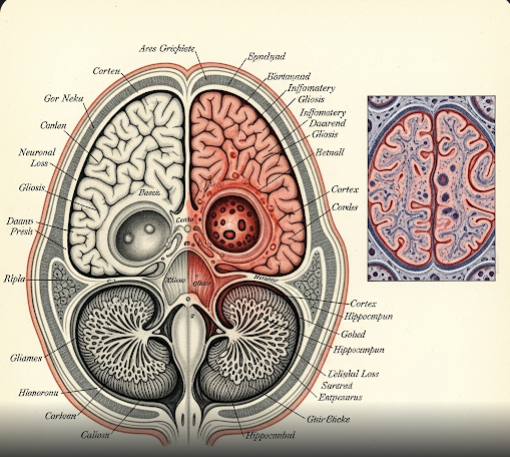
Overview Rasmussen’s Encephalitis is a rare, chronic inflammatory neurological disorder characterized by progressive brain inflammation that primarily affects one hemisphere. It leads to severe, drug-resistant seizures and gradual loss of motor and cognitive functions. In Korea, specialized neurological centers provide advanced diagnostic tools, medical management, and surgical options to improve patient outcomes and quality of […]
Rare Lung Diseases in Korea
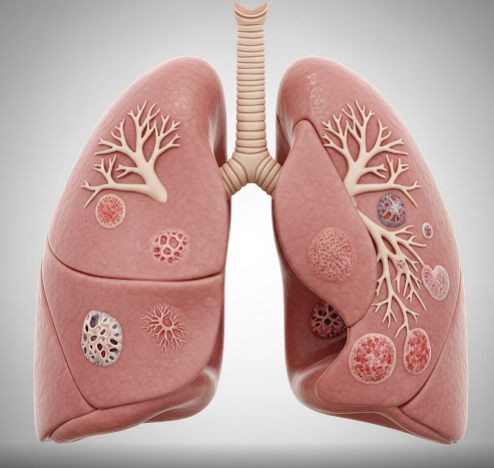
Overview Rare lung diseases are a diverse group of uncommon respiratory disorders that affect lung structure and function. They often pose diagnostic and treatment challenges due to their low prevalence and complex nature. In Korea, specialized pulmonary centers utilize advanced diagnostic tools and personalized treatment strategies to manage rare lung conditions and improve patient outcomes. […]
Rare Brain Tumors: Gangliocytoma & Pineocytoma in Korea
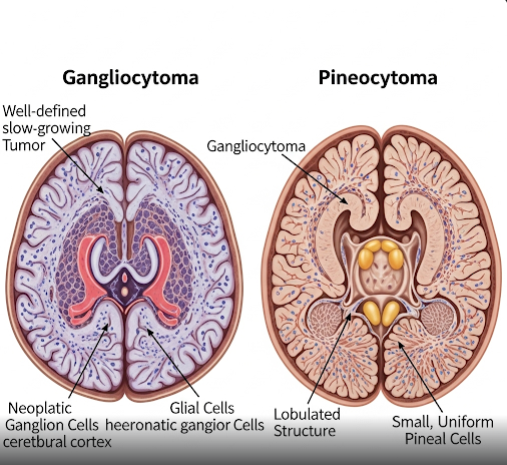
Overview Rare brain tumors like gangliocytoma and pineocytoma are uncommon central nervous system neoplasms that can affect patients of various ages. These tumors arise from different brain cell types and locations, often presenting with subtle neurological symptoms. In Korea, advanced neuro-oncology centers provide precise diagnosis, surgical expertise, and multidisciplinary treatment plans tailored to these rare […]
Rare and Orphan Diseases in Korea

Overview Rare and orphan diseases are conditions that affect a small percentage of the population, often fewer than 1 in 2,000 people. They are typically chronic, progressive, and sometimes life-threatening, with many lacking effective treatments. In Korea, government initiatives, specialized medical centers, and research programs focus on improving diagnosis, treatment, and support for patients with […]
Rape Trauma Syndrome in Korea

Overview Rape Trauma Syndrome (RTS) is a psychological trauma resulting from sexual assault or rape. It encompasses the emotional, physical, and behavioral responses that victims may experience immediately after the assault and over the long term. RTS is recognized as a serious mental health condition requiring compassionate care and professional treatment. In Korea, specialized trauma […]
Ranula in Korea
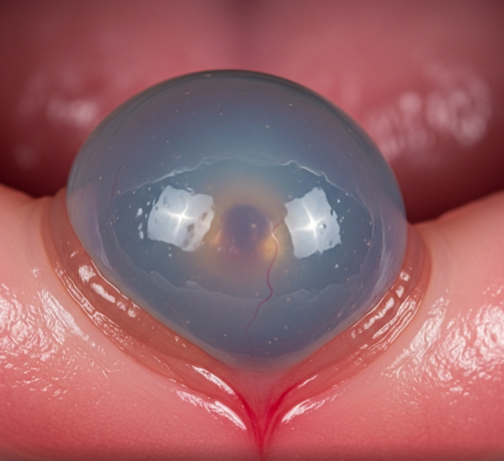
Overview A ranula is a type of mucous cyst that forms in the floor of the mouth, usually caused by blockage or rupture of the salivary gland ducts. It appears as a painless, bluish swelling and can interfere with speaking, chewing, or swallowing if it grows large. In Korea, oral and maxillofacial specialists provide expert […]
Ranidaphobia (Fear of Frogs) in Korea

Overview Ranidaphobia is a specific phobia characterized by an intense, irrational fear of frogs. Although frogs are generally harmless, individuals with ranidaphobia experience significant anxiety and avoidance behaviors when encountering frogs or images of frogs. This condition can impact daily life and social activities. In Korea, mental health professionals offer effective psychological therapies to help […]
Ramsay Hunt Syndrome in Korea

Overview Ramsay Hunt Syndrome is a neurological disorder caused by reactivation of the varicella-zoster virus (the same virus that causes chickenpox and shingles) in the facial nerve near the ear. It leads to facial paralysis, painful rash, and other symptoms. This condition can significantly affect quality of life but is treatable, especially with early diagnosis. […]
Ragweed Allergy in Korea

Overview Ragweed allergy is a seasonal allergic reaction triggered by pollen from ragweed plants. Although ragweed is less common in Korea than in North America, some related weeds in the Ambrosia genus can produce pollen that causes similar allergic responses. This allergy is most prevalent during late summer and early autumn when pollen levels peak. […]
Radon Gas in Korea

Overview Radon gas is a naturally occurring, radioactive gas that forms from the decay of uranium in soil, rock, and water. It is colorless, odorless, and tasteless, making it impossible to detect without specialized testing. Long-term exposure to high levels of radon gas is a major cause of lung cancer, second only to smoking. In […]