
Rectal Prolapse in Korea
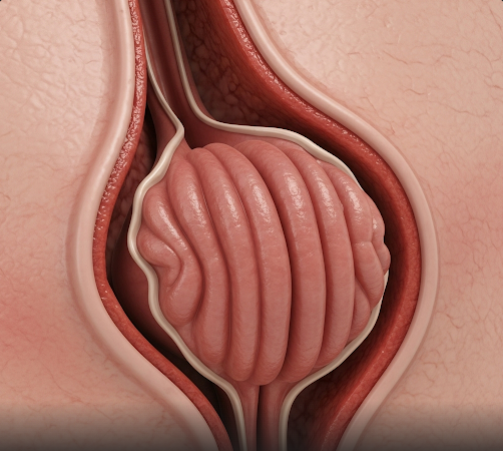
Overview Rectal prolapse is a condition where the rectum protrudes through the anus due to weakening of the pelvic floor muscles and supporting ligaments. It can cause discomfort, bleeding, and difficulties with bowel movements. In Korea, colorectal specialists provide expert diagnosis and surgical treatments to restore normal anatomy and improve quality of life. What is […]
Rebound Headaches in Korea

Overview Rebound headaches, also known as medication overuse headaches, occur when frequent or excessive use of headache relief medications paradoxically causes more frequent and severe headaches. This condition can create a challenging cycle of pain and medication dependency. In Korea, neurologists offer expert diagnosis and treatment plans to break this cycle and improve patient quality […]
Reactive Attachment Disorder (RAD) in Korea

Overview Reactive Attachment Disorder (RAD) is a rare but serious childhood condition characterized by difficulties in forming healthy emotional attachments with caregivers. It often results from severe early neglect, abuse, or disruptions in caregiving. In Korea, child psychiatrists and psychologists specialize in diagnosing and treating RAD to support affected children’s emotional and social development. What […]
Reactive Arthritis (Reiter’s Syndrome) in Korea
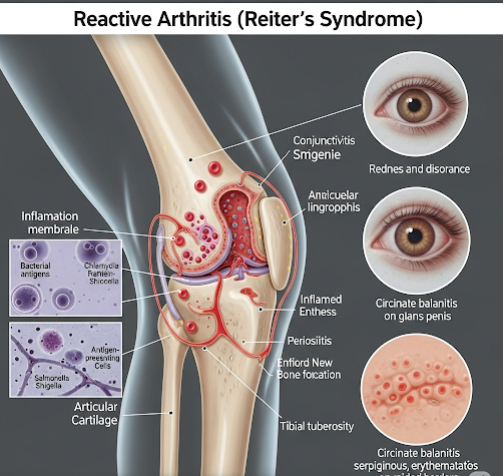
Overview Reactive arthritis, also known as Reiter’s syndrome, is an inflammatory joint condition triggered by an infection elsewhere in the body, commonly the urinary tract or gastrointestinal system. It causes joint pain, swelling, and other systemic symptoms. In Korea, rheumatologists provide accurate diagnosis and comprehensive treatment plans to manage symptoms and improve quality of life. […]
Reactive Airway Disease in Korea
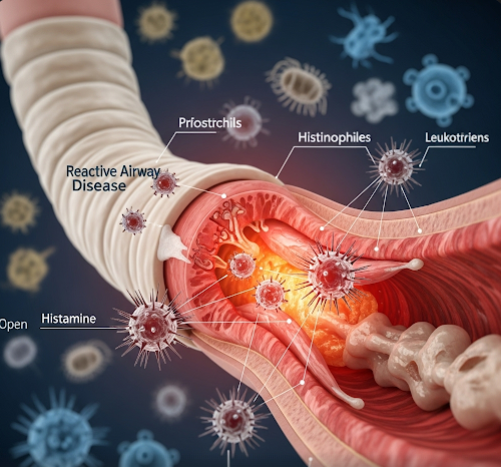
Overview Reactive Airway Disease (RAD) is a term used to describe temporary narrowing of the airways, causing symptoms similar to asthma such as wheezing, coughing, and shortness of breath. It is often diagnosed in young children when asthma diagnosis is uncertain. In Korea, pulmonologists provide comprehensive evaluation and management to control symptoms and prevent progression […]
Razor Burn in Korea

Overview Razor burn is a common skin irritation that occurs after shaving, characterized by redness, itching, and inflammation. Though not serious, it can cause discomfort and affect skin appearance. In Korea, dermatologists provide effective treatments and preventive advice to manage razor burn and maintain healthy skin. What is Razor Burn? Razor burn is an inflammatory […]
Raynaud’s Syndrome in Korea

Overview Raynaud’s Syndrome, also called Raynaud’s phenomenon, is a vascular disorder characterized by episodic constriction of small blood vessels, usually in the fingers and toes. This causes color changes, numbness, and pain triggered by cold exposure or stress. In Korea, patients receive advanced diagnostic evaluation and treatments to manage symptoms and prevent complications. What is […]
Rathke’s Cleft Cyst in Korea
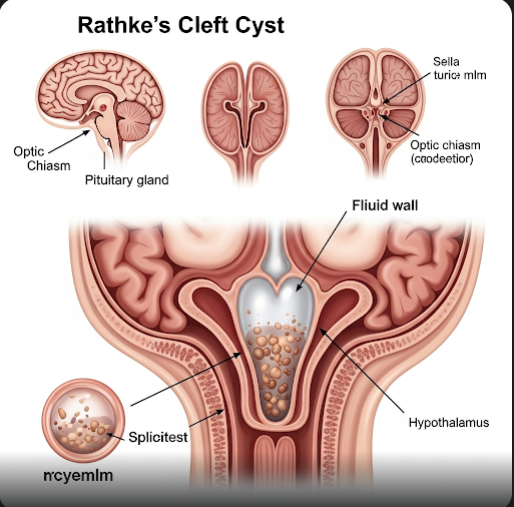
Overview Rathke’s cleft cyst (RCC) is a benign, fluid-filled cyst that forms in the pituitary gland region, originating from remnants of Rathke’s pouch during embryonic development. Although usually asymptomatic, larger cysts can cause symptoms by compressing nearby structures such as the pituitary gland or optic nerves. In Korea, endocrinologists and neurosurgeons collaborate to diagnose and […]
Rat-Bite Fever in Korea

Overview Rat-bite fever (RBF) is a bacterial infection transmitted through bites or scratches from infected rodents, mainly rats. It can also spread through contact with rodent urine or contaminated food and water. Though rare, rat-bite fever can cause serious systemic illness if untreated. In Korea, prompt diagnosis and antibiotic treatment in healthcare facilities ensure effective […]
Rat Lungworm in Korea

Overview Rat lungworm disease, caused by the parasitic nematode Angiostrongylus cantonensis, is a rare but serious infection that affects the human nervous system. Humans become accidental hosts when they ingest larvae through contaminated food or water. While more common in tropical regions, cases have been reported in Korea, where prompt diagnosis and treatment are crucial […]