
Retrograde Menstruation in Korea
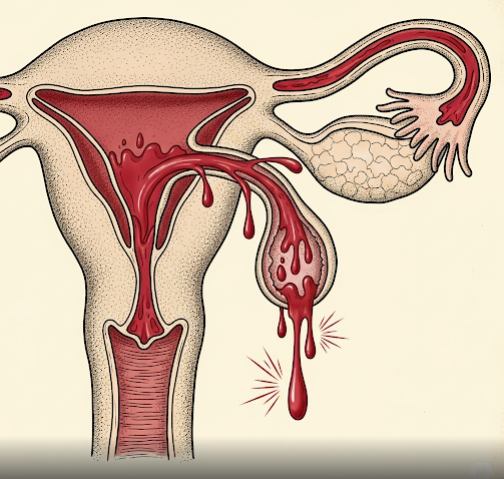
Overview Retrograde menstruation is a condition in which menstrual blood flows backward into the pelvic cavity through the fallopian tubes instead of leaving the body through the vagina. This backward flow can carry endometrial cells into the pelvis, which may attach to pelvic organs and cause endometriosis. In Korea, early detection and treatment of retrograde […]
Retrograde Ejaculation in Korea
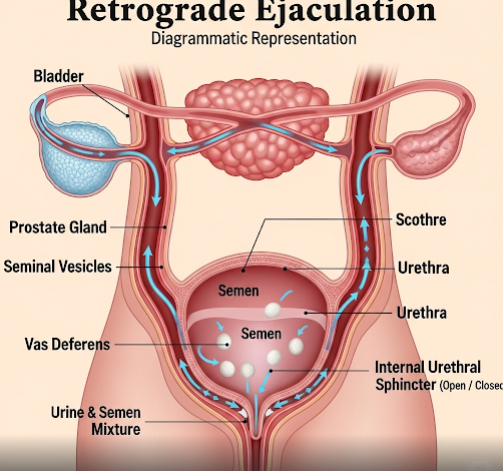
Overview Retrograde ejaculation is a condition in which semen flows backward into the bladder instead of exiting through the urethra during ejaculation. Although it does not cause pain or affect the ability to have an orgasm, it can lead to infertility issues. In Korea, advanced urological evaluation and treatment options are available to diagnose and […]
Retrognathia in Korea

Overview Retrognathia is a condition where the lower jaw (mandible) is positioned further back than the upper jaw, leading to a receding chin and sometimes affecting facial appearance, bite function, and airway health. In Korea, advanced diagnostic techniques and comprehensive treatment options, including orthodontics and surgery, are available to effectively manage retrognathia and improve both […]
Retractile Testicle in Korea
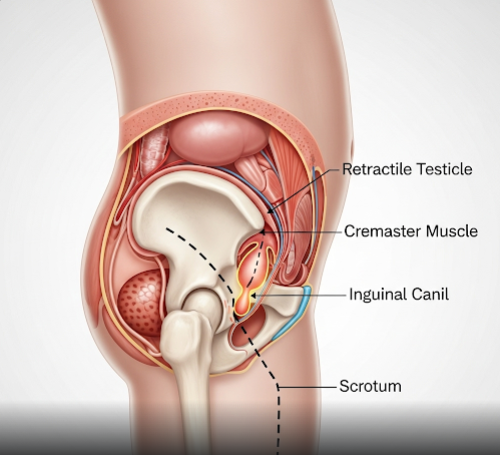
Overview A retractile testicle is a condition in which the testicle moves back and forth between the scrotum and the groin due to an overactive cremasteric reflex. It is common in boys and usually considered a normal variant, though it requires monitoring to distinguish from undescended or undescendable testicles. In Korea, pediatric urology specialists provide […]
Retracted Eardrum in Korea
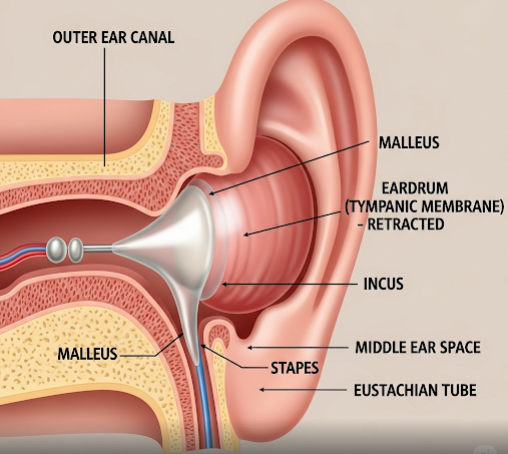
Overview A retracted eardrum is a condition where the eardrum (tympanic membrane) is pulled inward toward the middle ear space, often due to pressure imbalances. This can cause discomfort, hearing problems, and increase the risk of middle ear infections. In Korea, advanced ENT diagnostics and treatments are available to effectively manage and resolve this condition. […]
Retinoschisis in Korea
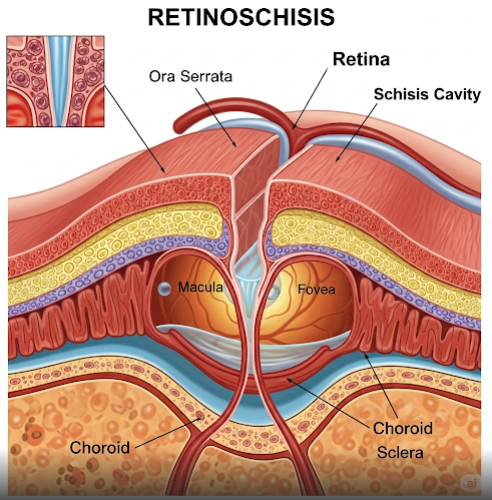
Overview Retinoschisis is a retinal condition characterized by the splitting of the retinal layers, which can lead to visual disturbances and, in some cases, vision loss. While often benign and stable, certain types of retinoschisis may progress or cause complications. In Korea, advanced ophthalmic diagnostic tools and expert care are available to monitor and manage […]
Retinopathy Of Prematurity in Korea
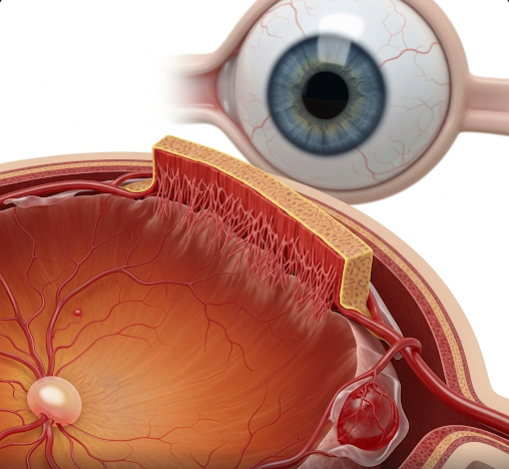
Overview Retinopathy of Prematurity (ROP) is a potentially blinding eye disorder that affects premature infants, especially those born before 31 weeks of gestation or with very low birth weight. It results from abnormal blood vessel development in the retina, which can cause retinal scarring and detachment. Korea offers specialized neonatal care and advanced ophthalmic treatments […]
Retinoblastoma in Korea
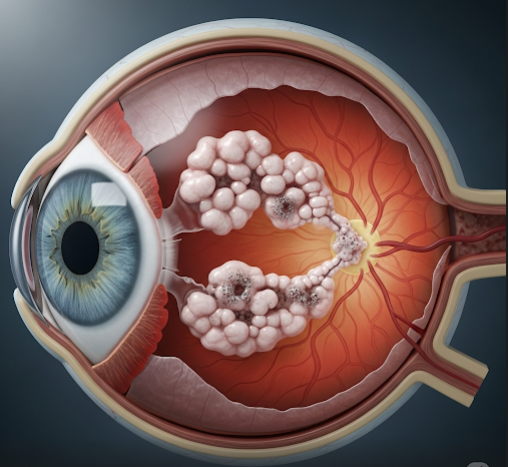
Overview Retinoblastoma is a rare but serious eye cancer that originates in the retina, most commonly affecting young children. Early detection and treatment are crucial to save the child’s vision and life. Korea offers advanced diagnostic methods and multidisciplinary treatment approaches, ensuring high survival rates and optimal outcomes for affected children. What is Retinoblastoma? Retinoblastoma […]
Retinitis Pigmentosa in Korea
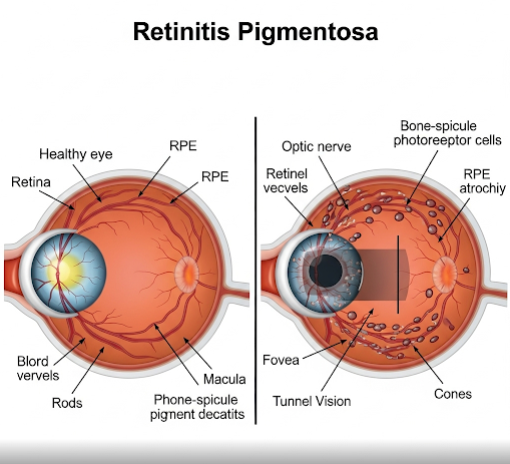
Overview Retinitis Pigmentosa (RP) is a group of rare genetic disorders that cause progressive degeneration of the retina, leading to gradual vision loss and, in severe cases, blindness. It primarily affects the rod photoreceptors responsible for night and peripheral vision. In Korea, specialized genetic testing and advanced treatment options are available to manage symptoms and […]
Retinal Vein Occlusion (RVO) in Korea
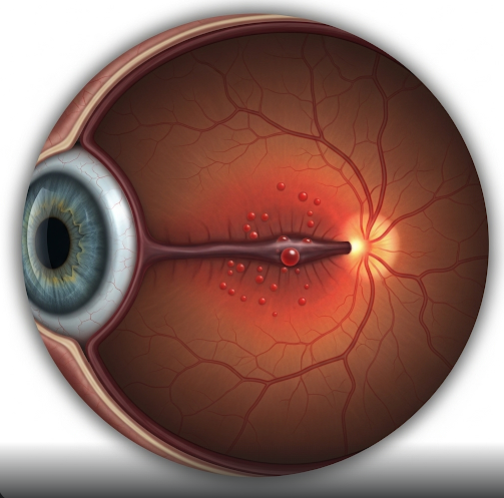
Overview Retinal Vein Occlusion (RVO) is a common vascular disorder of the retina where one of the veins responsible for draining blood becomes blocked. This blockage leads to impaired blood flow, retinal swelling, and vision problems. In Korea, advanced diagnostic and treatment options are widely available to manage RVO effectively and preserve vision. What is […]