
Rhabdomyosarcoma in Korea
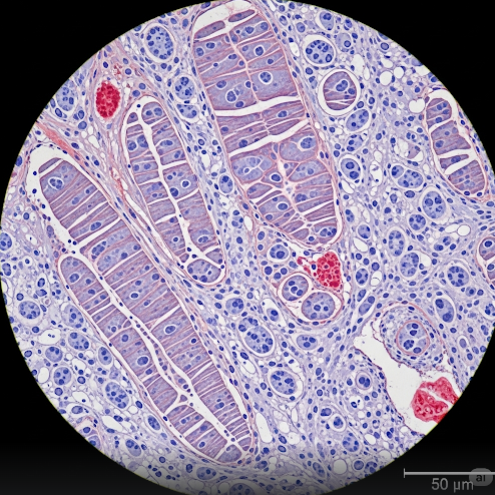
Overview Rhabdomyosarcoma is a rare and aggressive malignant tumor that arises from skeletal muscle progenitor cells. It is the most common soft tissue sarcoma in children but can occur at any age. Early diagnosis and comprehensive treatment are essential for improving outcomes. Korea’s leading pediatric and adult oncology centers offer advanced diagnostic and multimodal treatment […]
Rhabdomyolysis in Korea
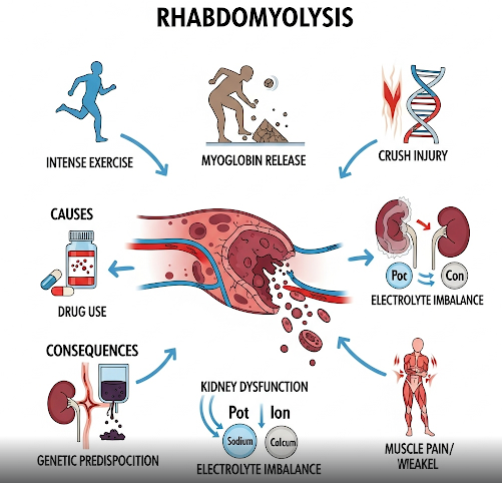
Overview Rhabdomyolysis is a serious medical condition characterized by the rapid breakdown of damaged skeletal muscle tissue, releasing muscle cell contents like myoglobin into the bloodstream. This can lead to kidney damage and other systemic complications. In Korea, prompt diagnosis and advanced medical care ensure effective management and reduce risks associated with rhabdomyolysis. What is […]
Rhabdoid Tumor in Korea
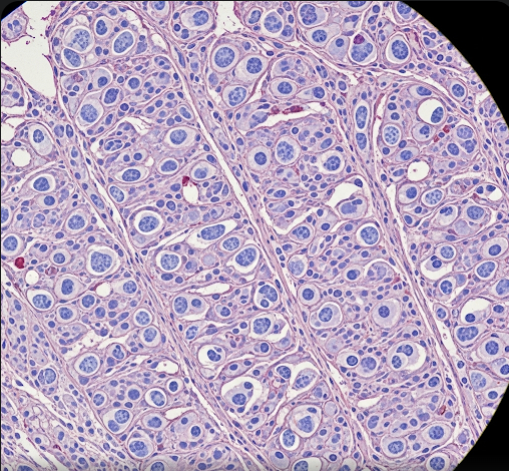
Overview Rhabdoid tumor is a rare, aggressive malignant tumor that primarily affects infants and young children. It can occur in the kidneys (rhabdoid tumor of the kidney), brain (atypical teratoid/rhabdoid tumor), or soft tissues. Early diagnosis and treatment are critical due to its rapid growth and poor prognosis. In Korea, leading pediatric oncology centers offer […]
Rh Factor in Korea
Overview Rh factor, also known as the Rhesus factor, is an important protein found on the surface of red blood cells. It plays a critical role in blood compatibility, especially during pregnancy and blood transfusions. Understanding Rh factor is vital to prevent complications such as hemolytic disease of the newborn (HDN). In Korea, advanced prenatal […]
Reye’s Syndrome in Korea
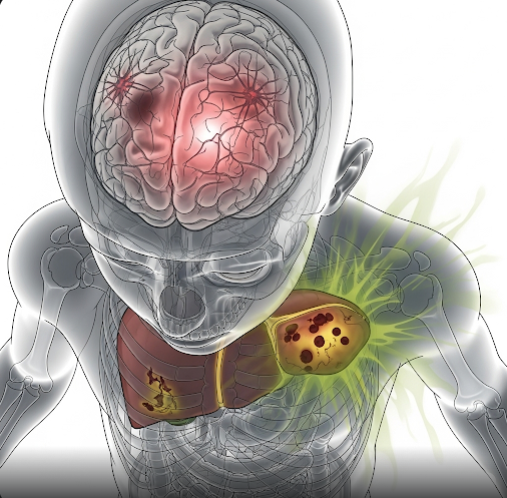
Overview Reye’s Syndrome is a rare but serious condition that causes sudden swelling in the liver and brain, primarily affecting children and teenagers recovering from viral infections. Early recognition and treatment are crucial to prevent severe complications or death. In Korea, hospitals are equipped with advanced pediatric intensive care units and diagnostic facilities to manage […]
Reversible Cerebral Vasoconstriction Syndrome in Korea

Overview Reversible Cerebral Vasoconstriction Syndrome (RCVS) is a neurological disorder characterized by sudden, severe headaches and reversible narrowing of the cerebral arteries. Though typically self-limiting, it can cause complications like stroke if untreated. In Korea, prompt diagnosis and modern neurovascular care ensure effective management and prevention of complications associated with RCVS. What is Reversible Cerebral […]
Rett Syndrome in Korea

Overview Rett Syndrome is a rare genetic neurological disorder that primarily affects girls and leads to severe cognitive, motor, and communication impairments. It usually becomes apparent after 6 to 18 months of normal early development. In Korea, advanced genetic testing, multidisciplinary care, and supportive therapies are available to improve quality of life and manage symptoms […]
Retroverted Uterus in Korea
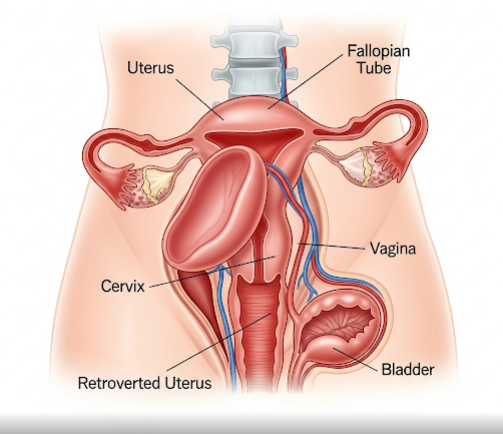
Overview A retroverted uterus, also known as a tipped or tilted uterus, is a common anatomical variation where the uterus tilts backward toward the spine instead of its usual forward position over the bladder. This condition is often harmless and discovered incidentally during a pelvic examination or ultrasound. In Korea, advanced gynecological diagnostics and minimally […]
Retropharyngeal Abscess in Korea

Overview Retropharyngeal abscess (RPA) is a serious deep neck space infection that occurs in the retropharyngeal space—an area behind the pharynx and in front of the spine. It usually results from bacterial infection and can cause severe swelling, difficulty breathing, and life-threatening airway obstruction if not treated promptly. In Korea, modern diagnostic imaging and advanced […]
Retroperitoneal Fibrosis in Korea
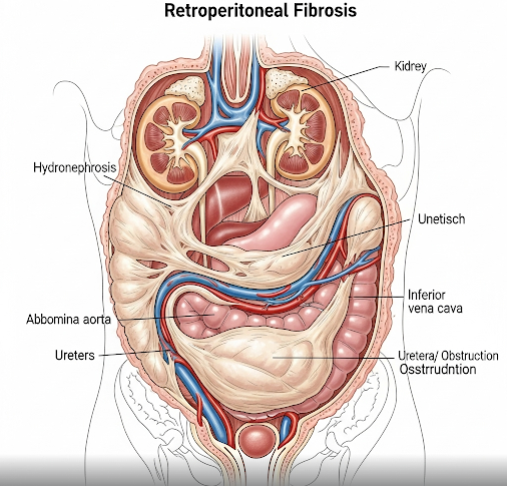
Overview Retroperitoneal fibrosis (RPF) is a rare condition in which dense, fibrous tissue develops in the retroperitoneal space—the area behind the abdominal cavity where vital structures like the kidneys, ureters, and major blood vessels are located. This fibrous tissue can encase and obstruct the ureters, leading to kidney damage. In Korea, advanced diagnostic imaging and […]