
Keloid Scar in Korea
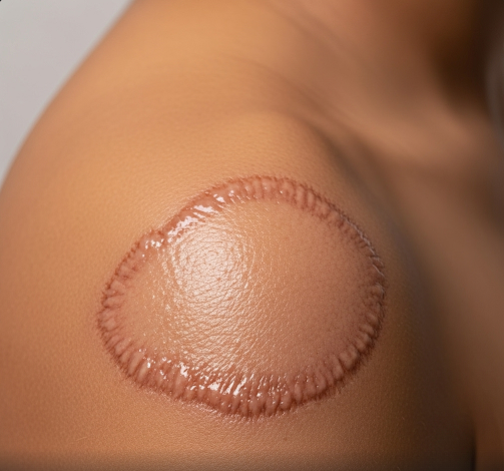
Overview Keloid scars are abnormal, raised scars that form as a result of an overactive healing process following skin injury. Unlike typical scars, keloids grow beyond the original wound boundaries, creating thick, often unsightly tissue. They can develop anywhere on the body but are especially common on areas with high skin tension such as the […]
Keloid on Ear in Korea

Overview Keloid on the ear is a common but challenging condition characterized by the formation of thick, raised scars that develop after skin injury or piercing. These scars result from an abnormal healing process where the body produces excess collagen, leading to tissue growth beyond the original wound boundaries. Ear keloids are particularly prevalent because […]
Kearns-Sayre Syndrome in Korea
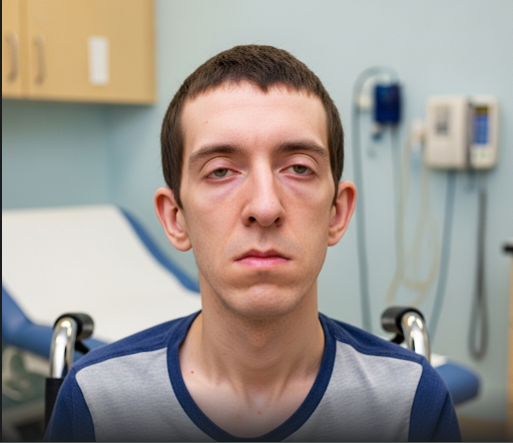
Overview Kearns-Sayre Syndrome (KSS) is a rare, progressive mitochondrial disorder that affects multiple systems of the body. It primarily impacts muscles, the eyes, and the heart. The syndrome usually begins before the age of 20 and is characterized by a triad of symptoms including progressive external ophthalmoplegia, pigmentary retinopathy, and cardiac conduction defects. Korea offers […]
Kawasaki Disease in Korea
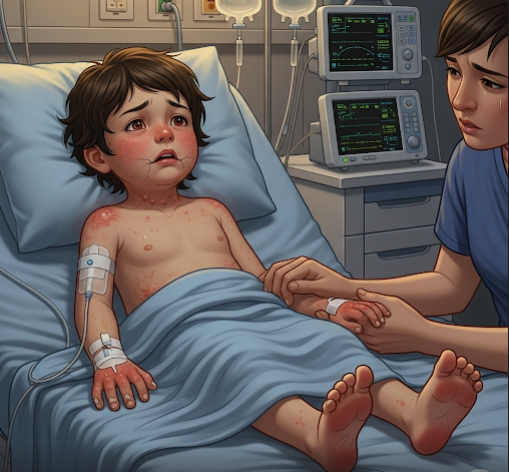
Overview Kawasaki Disease is an acute, systemic vasculitis primarily affecting children under five years old. It causes inflammation of blood vessels throughout the body and is a leading cause of acquired heart disease in children worldwide. The exact cause remains unknown, but timely diagnosis and treatment are crucial to prevent serious heart complications. Korea offers […]
Kaposi Sarcoma in Korea
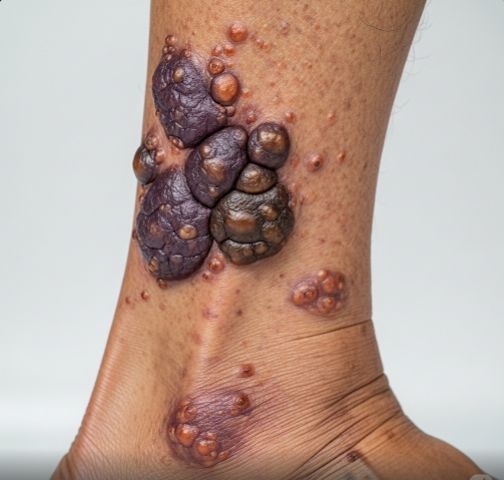
Overview Kaposi Sarcoma (KS) is a rare type of cancer that develops from the cells lining blood or lymph vessels. It typically appears as tumors on the skin or mucous membranes but can also affect internal organs. KS is caused by infection with the human herpesvirus 8 (HHV-8), also known as Kaposi sarcoma-associated herpesvirus (KSHV). […]
Kallmann Syndrome in Korea
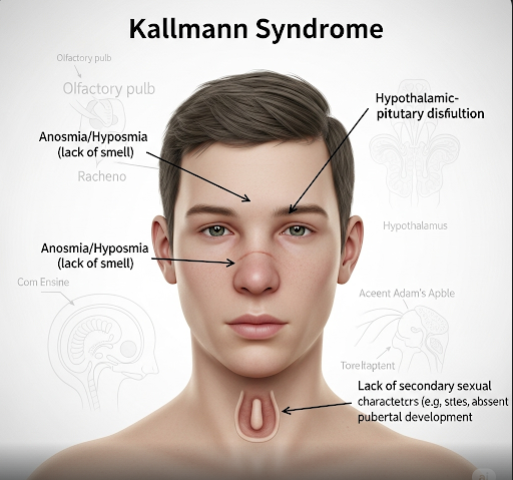
Overview Kallmann Syndrome is a rare genetic disorder characterized by delayed or absent puberty and an impaired sense of smell (anosmia or hyposmia). It results from a failure of certain nerve cells to develop or migrate properly during fetal development, affecting hormone production related to sexual development. In Korea, endocrinologists and genetic specialists provide thorough […]
Kabuki Syndrome in Korea

Overview Kabuki Syndrome is a rare multisystem genetic disorder characterized by a unique combination of distinctive facial features, developmental delays, congenital anomalies, and immune deficiencies. It affects multiple organs and body systems, requiring lifelong multidisciplinary care. Named after the traditional Japanese Kabuki theatre makeup because of the characteristic facial appearance, this syndrome has a prevalence […]
Russell-Silver Syndrome in Korea

Overview Russell-Silver Syndrome (RSS) is a rare congenital growth disorder characterized by poor growth before and after birth, distinctive facial features, and body asymmetry. Early diagnosis and ongoing management are essential to support growth and developmental outcomes. In Korea, pediatric endocrinologists and genetic specialists provide comprehensive care for children with RSS. What is Russell-Silver Syndrome? […]
Ruptured Testicle in Korea
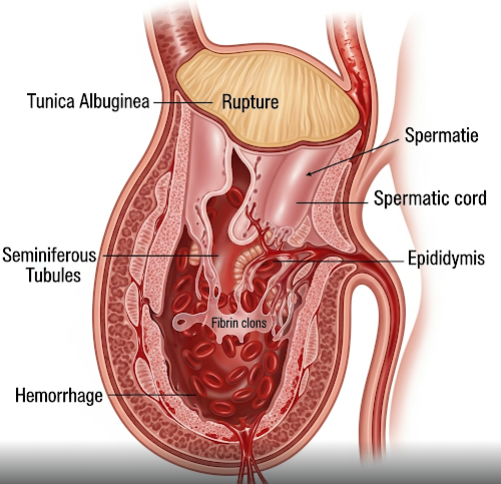
Overview A ruptured testicle is a severe and urgent medical condition where the outer protective covering of the testicle (tunica albuginea) is torn, often due to trauma or injury. This can lead to bleeding, pain, swelling, and potential loss of testicular function if not treated promptly. In Korea, urologists provide expert emergency care and surgical […]
Ruptured Spleen in Korea
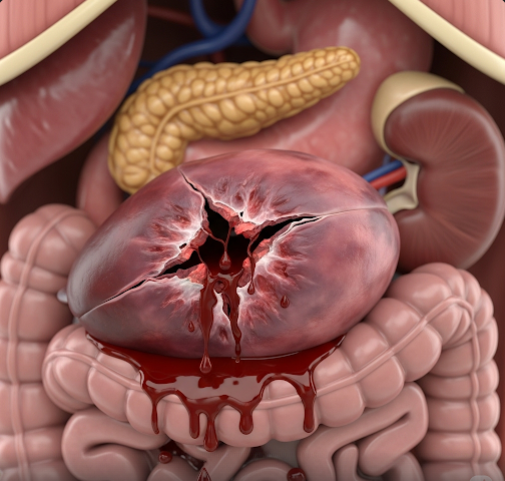
Overview A ruptured spleen is a serious medical emergency where the spleen—a vital organ involved in filtering blood and fighting infection—tears or bursts, usually due to trauma. This can cause internal bleeding, leading to shock or death if not treated promptly. In Korea, trauma centers and emergency departments are equipped to provide rapid diagnosis and […]